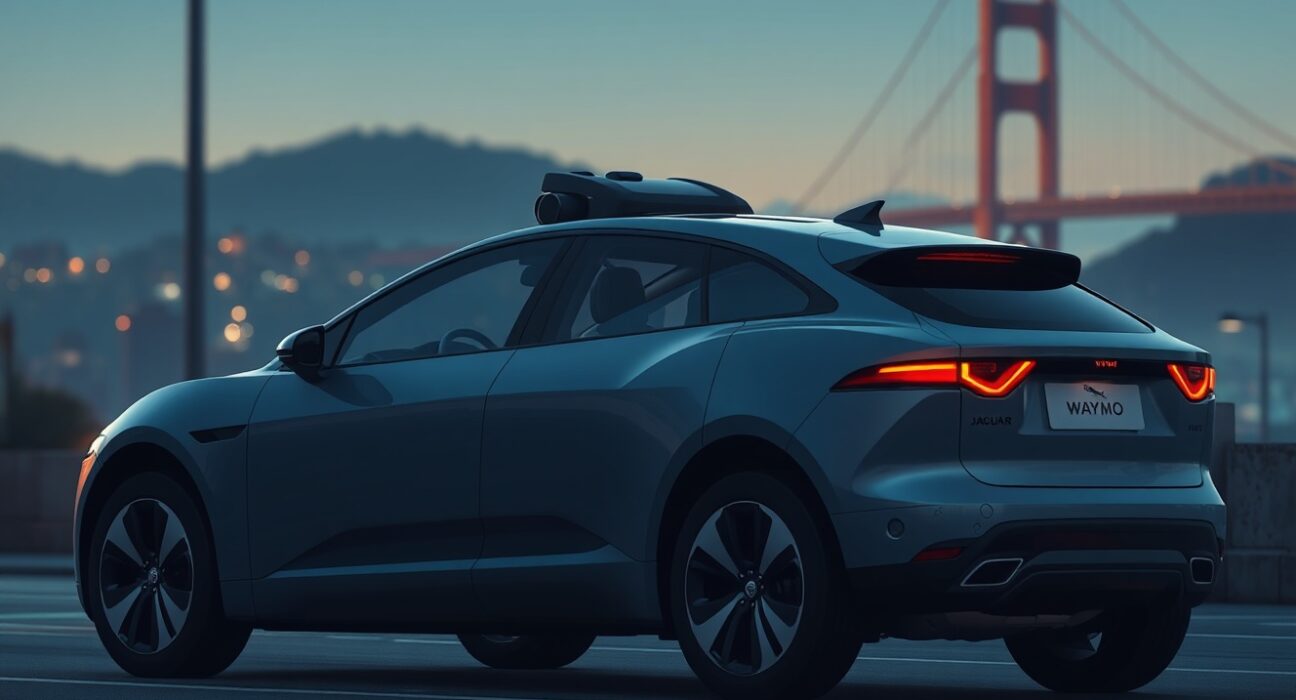
In the heart of Silicon Valley’s tech revolution, a timeless human drama unfolded not in a hospital, but in the back of a Waymo robotaxi. A pregnant woman’s rush to UCSF Medical Center ended with a new passenger arriving early, marking a profound moment where cutting-edge autonomous vehicle technology met one of life’s oldest miracles. This event isn’t just a quirky news story; it’s a powerful symbol of how technology is being woven into the very fabric of human experience, a narrative as compelling as the disruptive potential of blockchain and AI in finance.
How Did a Waymo Robotaxi Become a Delivery Room?
The incident occurred on a Monday night in San Francisco. En route to the hospital, the expectant mother went into active labor. According to reports, Waymo’s remote assistance team, which monitors its fleet, detected “unusual activity” inside the vehicle and proactively called 911. The driverless car, navigating the city streets on its own, continued its journey and reportedly beat the emergency responders to the hospital. This highlights a key aspect of autonomous vehicle systems: layered safety protocols and remote human oversight for exceptional situations.
The Unbreakable Tradition of Ride-Share Births
This Waymo robotaxi birth is the latest chapter in a global tradition. For decades, the back seats of taxis and ride-shares have served as impromptu delivery rooms. This phenomenon underscores a universal truth about childbirth: biology operates on its own schedule.
- Global Stories: From a child named “Uber” in India after a driver-assisted delivery, to a couple in California welcoming their baby in an Uber during Shabbat in 2017, these stories are numerous.
- The Human Element: These events often create lasting bonds between families and drivers, highlighting human connection in transactional services.
- Automating Tradition: With the San Francisco incident, Silicon Valley has, in a sense, automated this age-old experience, removing the human driver but not the urgency or the outcome.
What Does This Mean for the Future of Autonomous Vehicles?
This event is a fascinating stress test for driverless car technology and operational protocols. It raises practical questions and offers insights.
| Aspect | Implication |
|---|---|
| Emergency Response | Waymo’s system successfully identified an anomaly and initiated contact with emergency services, demonstrating built-in safety escalation. |
| Vehicle Operations | The autonomous vehicle continued its programmed route safely despite the high-stress situation inside, a test of its sensory and decision-making systems. |
| Public Perception | Such events can humanize the technology, showing it can handle real-world, unpredictable human events beyond simple point-to-point travel. |
| Logistical Aftermath | The vehicle was taken out of service for cleaning, a standard but crucial protocol for fleet management after any biological incident. |
Waymo’s Response and the Path Forward
Waymo confirmed this was not its first ride-share birth; a similar event previously occurred in Phoenix. The company’s spokesperson delivered a characteristically dry, tech-oriented response: “While this is a very rare occurrence, some of our newest riders just can’t wait to experience their first Waymo ride.” This statement reflects the industry’s blend of data-driven perspective and an attempt at public charm. The core takeaway is that autonomous vehicle platforms are being designed to manage the full spectrum of passenger scenarios, planned and otherwise.
Conclusion: Technology in the Human Lane
The birth in a Waymo robotaxi is more than a novelty. It is a powerful reminder that technological advancement, whether in driverless cars or decentralized finance, ultimately serves human needs and intersects with human stories. It proves that some human experiences are so fundamental that they will happen regardless of the platform—be it a horse-drawn carriage, a taxi, an Uber, or a driverless car. The success of any technology, especially in the San Francisco tech ecosystem, will be measured not just by its efficiency, but by its ability to handle life’s most unpredictable and profound moments with grace and safety.
To learn more about the latest trends in autonomous technology and AI, explore our articles on key developments shaping the future of intelligent systems and their real-world integration.
Frequently Asked Questions (FAQs)
Has a baby been born in a self-driving car before?
Yes. Waymo confirmed a previous birth occurred in one of its robotaxis in Phoenix, Arizona.
What did Waymo do when they realized what was happening?
Waymo’s remote monitoring team detected unusual activity inside the vehicle and initiated a call to 911 emergency services while the autonomous vehicle continued its journey to UCSF Medical Center.
Are there other famous examples of births in ride-share vehicles?
Yes. Notable examples include a birth in an Uber in India where the baby was named “Uber,” and a birth in an Uber in California during Shabbat in 2017.
What happens to the autonomous vehicle after such an event?
The vehicle is immediately removed from the active fleet for thorough cleaning and inspection before being returned to service.
Does this incident show that autonomous vehicles are safe for emergencies?
It demonstrates that the systems have protocols to identify anomalies and contact human emergency services. However, the vehicles are not equipped to provide medical assistance; their role is to transport passengers safely and summon professional help.
Disclaimer: The information provided is not trading advice, Bitcoinworld.co.in holds no liability for any investments made based on the information provided on this page. We strongly recommend independent research and/or consultation with a qualified professional before making any investment decisions.