

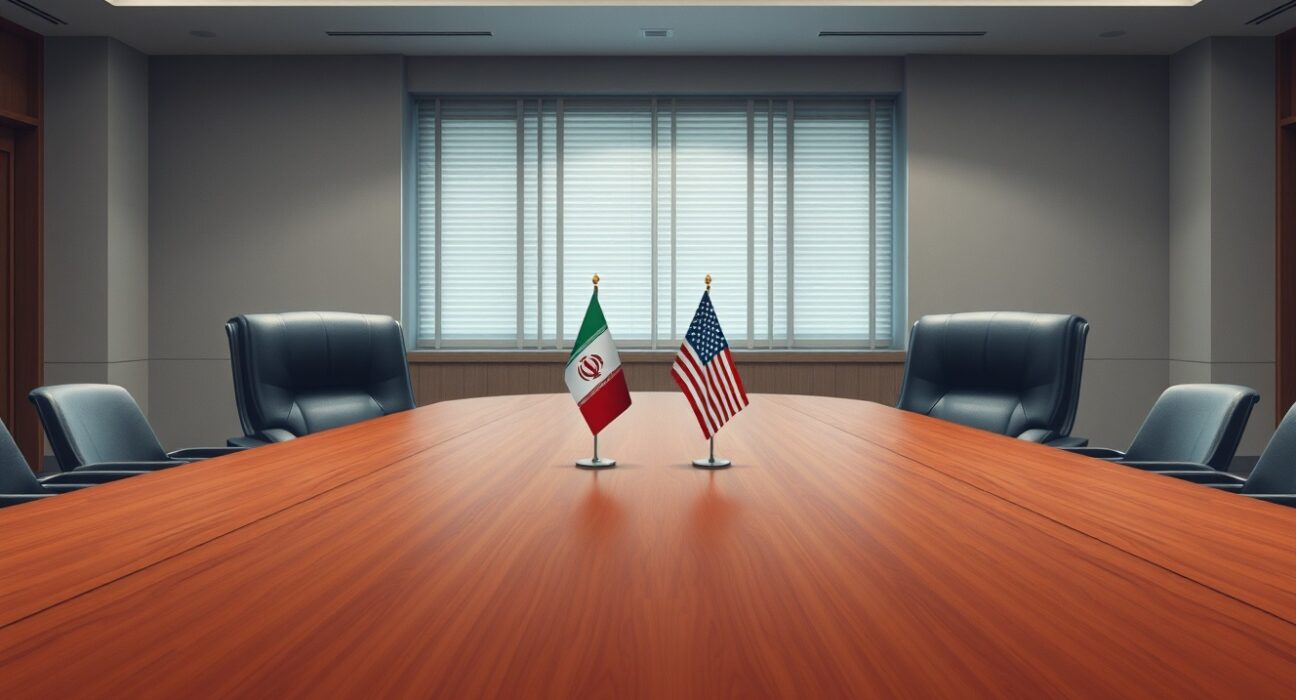
TEHRAN, Iran – November 2025: In a significant diplomatic development, Iran’s Ministry of Foreign Affairs has issued a startling denial, stating it has held no negotiations with the United States throughout a recent 31-day period of regional conflict. This declaration, first reported by Walter Bloomberg, underscores the profound and persistent tensions between the two nations. The statement arrives amid a complex geopolitical landscape where direct communication channels are often scrutinized for signs of escalation or de-escalation.
Iran US Negotiations: A Formal Denial and Its Context
Iran’s foreign ministry delivered its statement with definitive clarity. Consequently, it directly addresses widespread speculation about backchannel talks. The 31-day timeframe references a specific period of heightened military activity in the region. Moreover, this denial serves multiple strategic purposes. First, it projects an image of diplomatic resolve to domestic audiences. Second, it signals to regional allies that Iran maintains its stated positions. Third, it challenges narratives suggesting potential flexibility in its foreign policy approach. Historically, periods of conflict often see indirect diplomatic probes through neutral parties. However, Iran’s statement explicitly rejects even this level of engagement with American officials.
Analyzing the Diplomatic Stalemate
The absence of talks during active conflict carries significant implications. For instance, it increases the risk of miscalculation between military forces. Furthermore, it eliminates a potential circuit-breaker mechanism for de-escalation. Several key factors typically influence such diplomatic silence:
- Pre-Condition Stances: Both nations frequently set non-negotiable pre-conditions for dialogue.
- Domestic Politics: Internal political pressures can limit diplomatic maneuverability.
- Alliance Considerations: Actions are often calibrated to reassure regional partners.
- Strategic Messaging: Public denials can be a tool to strengthen bargaining positions later.
Regional experts note that the Walter Bloomberg report itself becomes part of the information environment. Therefore, its publication triggers analysis within global foreign policy circles.
The Historical Backdrop of US-Iran Relations
This latest episode fits a decades-long pattern of estrangement. The relationship has oscillated between periods of extreme tension and brief, cautious diplomacy. For example, the 2015 Joint Comprehensive Plan of Action (JCPOA) represented a high-water mark for engagement. Conversely, the subsequent US withdrawal in 2018 reignited hostility. Since then, interactions have primarily occurred through military signaling and public statements. The table below outlines recent key phases:
| Period | Primary Communication Channel | Notable Outcome |
|---|---|---|
| 2015-2018 | Direct Multilateral Negotiations | JCPOA Nuclear Agreement |
| 2018-2021 | Maximum Pressure Campaign & Proxy Conflict | Escalated Regional Tensions |
| 2021-2023 | Indirect Talks in Vienna | Stalled Negotiations on JCPOA Return |
| 2023-Present | Military Deterrence & Public Statements | Periodic Crises, No Sustained Dialogue |
This historical context is crucial. It demonstrates that the current denial is consistent with a prolonged phase of non-communication.
Regional Security Impacts and Expert Perspectives
The lack of a direct line affects more than just the two principal actors. Neighboring states monitor US-Iran interactions closely for their own security planning. A prolonged diplomatic freeze can encourage regional actors to pursue more independent, and potentially destabilizing, security measures. Additionally, global energy markets remain sensitive to Middle Eastern tensions. Consequently, the foreign ministry’s statement will be parsed by economic analysts worldwide.
Security scholars emphasize the operational risks. “When state-to-state dialogue ceases, the burden of crisis management falls onto military signaling protocols,” explains Dr. Anahita Shirazi, a professor of International Security. “These protocols, while established, are inherently more prone to misinterpretation than diplomatic conversation. The 31-day window mentioned is a substantial period for there to be zero diplomatic contact during active hostilities.” This expert insight underscores the potential for unintended escalation.
Media Reporting and the Information Ecosystem
The role of Walter Bloomberg in breaking this story is noteworthy. Reputable financial and geopolitical news services often act as conduits for officially sanctioned leaks or denials. The choice of this outlet suggests a desire to reach a specific audience of policymakers and investors. The report’s phrasing is typically matter-of-fact, which lends it credibility. However, it also frames the issue within a specific temporal context—the 31 days of war—immediately focusing reader attention on that conflict period.
Conclusion
Iran’s definitive statement, denying any Iran US negotiations during a month of conflict, reinforces the deep fissures in the bilateral relationship. This position shapes the regional security landscape, influences global markets, and closes off a potential avenue for crisis reduction. The Walter Bloomberg report serves as a formal marker of this diplomatic reality. Moving forward, the international community will watch for any subtle shifts in rhetoric or indirect contacts that might signal a change in this rigid stance. The absence of dialogue remains a significant and troubling feature of Middle Eastern geopolitics.
FAQs
Q1: What exactly did Iran’s Foreign Ministry state?
Iran’s Ministry of Foreign Affairs explicitly stated that it has not held any negotiations with the United States during a specified 31-day period of ongoing war, as reported by the Walter Bloomberg news service.
Q2: Why is the 31-day timeframe significant?
The timeframe is significant because it correlates with a period of active regional military conflict. The denial of talks during active hostilities highlights the depth of the diplomatic freeze and the associated risks of escalation without communication channels.
Q3: Does this mean there are no communications at all between the US and Iran?
The statement specifically denies “negotiations.” It does not necessarily rule out all forms of communication, such as messages passed through third-party intermediaries or deconfliction messages via military channels, though it strongly suggests a comprehensive diplomatic stalemate.
Q4: How does this affect the broader Middle East?
The lack of direct US-Iran dialogue forces regional nations to make security calculations based on uncertainty. It can increase tensions, encourage proxy dynamics, and complicate efforts at regional diplomacy and conflict resolution.
Q5: Has there been any reaction from the United States to this statement?
This article is based on the reporting of Iran’s statement. Official US reaction, if any, would typically come from the State Department or White House and would be reported separately, often providing the other side of the diplomatic picture.
Disclaimer: The information provided is not trading advice, Bitcoinworld.co.in holds no liability for any investments made based on the information provided on this page. We strongly recommend independent research and/or consultation with a qualified professional before making any investment decisions.
