

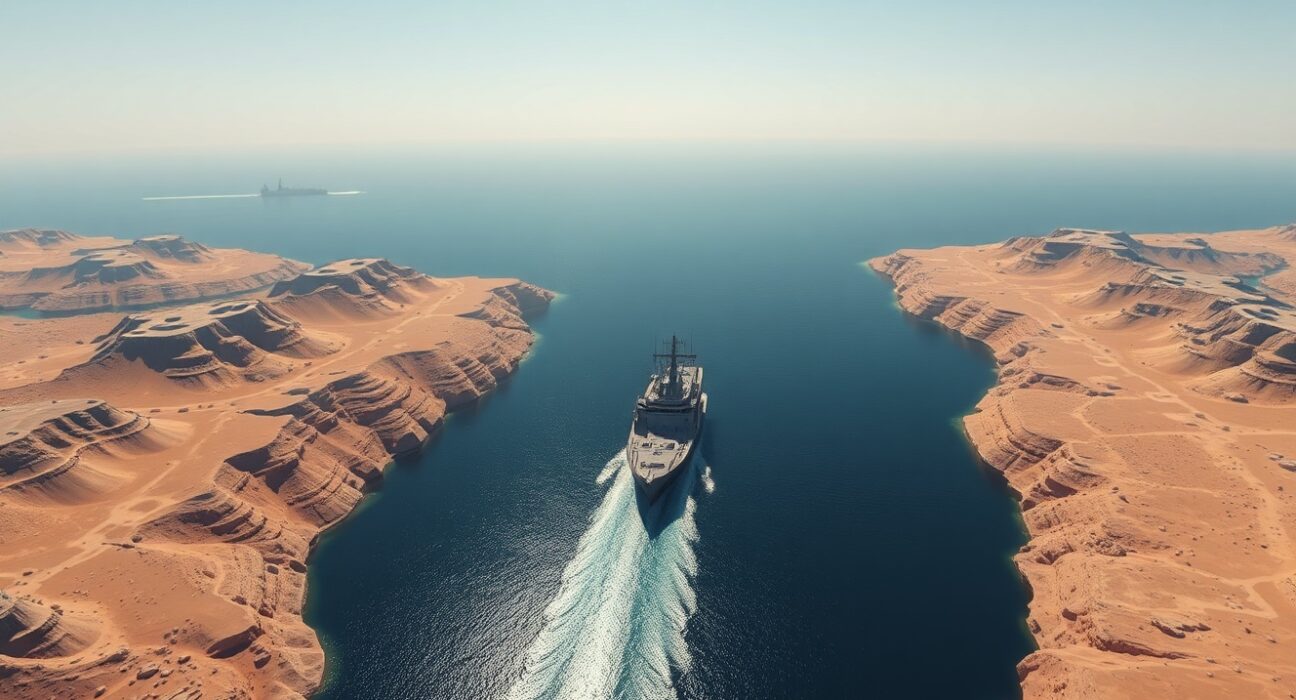
TEHRAN, Iran – March 15, 2025 – Iranian authorities declared today they will implement necessary defensive measures to prevent military threats through the Strait of Hormuz, creating immediate implications for global energy markets and regional security dynamics. The Foreign Ministry spokesperson emphasized these actions strictly comply with international maritime law while protecting national sovereignty.
Strait of Hormuz Becomes Flashpoint in Regional Tensions
The Strait of Hormuz represents the world’s most critical maritime chokepoint for oil transportation. Approximately 21 million barrels of oil pass through daily, accounting for roughly 30% of global seaborne traded oil. Iran’s announcement follows escalating regional tensions and comes during heightened diplomatic efforts to stabilize the Middle East. The narrow waterway, only 21 nautical miles wide at its narrowest point, connects the Persian Gulf with the Gulf of Oman and ultimately the Arabian Sea.
International shipping lanes through the strait follow a Traffic Separation Scheme established by the International Maritime Organization. This system creates inbound and outbound lanes, each just two miles wide, with a two-mile separation zone between them. Consequently, the geographic reality creates natural vulnerabilities that Iran now seeks to address through defensive positioning. Regional analysts note this development follows months of increased naval activity from multiple global powers in adjacent waters.
Historical Context of Maritime Tensions
Iran has previously threatened to close the Strait of Hormuz during periods of heightened international pressure. Historical precedents include the 1980s Tanker War during the Iran-Iraq conflict, when both nations attacked commercial shipping. More recently, tensions escalated in 2019 with attacks on tankers and the seizure of vessels. The current announcement represents a continuation of Iran’s longstanding position regarding its right to self-defense in adjacent waters.
International law provides specific frameworks for such situations. The United Nations Convention on the Law of the Sea (UNCLOS) establishes territorial waters extending 12 nautical miles from a coastal state’s baseline. Iran, however, has not ratified UNCLOS, instead relying on customary international law and its own interpretation of maritime rights. The spokesperson specifically referenced compliance with international law, suggesting measures will operate within accepted legal parameters.
Expert Analysis of Legal and Strategic Implications
Maritime security experts identify several potential measures Iran might implement. These include increased naval patrols, enhanced coastal surveillance, and possible restrictions on military vessels transiting the strait. “Iran maintains the legal right to regulate passage through its territorial waters,” explains Dr. Amina Farouk, Middle East security analyst at the Gulf Research Center. “However, the critical distinction lies between regulating military vessels and interfering with innocent passage of commercial shipping.”
The international community recognizes the Strait of Hormuz as an international strait subject to transit passage rights under customary international law. This legal regime allows vessels and aircraft continuous and expeditious transit. Military vessels enjoy these same rights, though coastal states may regulate certain aspects for safety and environmental protection. Iran’s statement carefully avoids threatening commercial shipping, instead focusing specifically on preventing military aggression against its territory.
Global Energy Security Implications
The announcement immediately affected global energy markets, with Brent crude futures rising 2.3% in early trading. Energy analysts project potential scenarios based on historical disruptions:
| Disruption Scenario | Potential Price Impact | Duration Estimate |
|---|---|---|
| Increased insurance premiums | +$5-10 per barrel | Immediate |
| Route diversions around Africa | +$8-15 per barrel | Weeks to months |
| Partial closure or conflict | +$20-40+ per barrel | Variable |
Major energy-consuming nations monitor developments closely. Japan, South Korea, and India import significant percentages of their oil through the strait. European nations also depend on liquefied natural gas shipments from Qatar transiting the same waters. Alternative routes exist but add substantial costs and transit time. The Cape of Good Hope route around Africa adds approximately 15 days to voyages from the Persian Gulf to Europe or North America.
Regional Military Dynamics and Responses
Neighboring Gulf states maintain varying positions on Iran’s announcement. Saudi Arabia, the world’s largest oil exporter, has previously expressed concerns about freedom of navigation. The United Arab Emirates has developed alternative pipeline capacity to bypass the strait partially. Oman, which shares control of the strait’s southern side with Iran, traditionally maintains neutral diplomatic positioning.
International naval presence in the region includes:
- United States Fifth Fleet based in Bahrain
- Combined Maritime Forces multinational coalition
- European Union Naval Force Operation AGENOR
- Indian Navy deployments in the Arabian Sea
- Chinese Navy increasing presence in the region
These forces coordinate to ensure freedom of navigation and combat piracy. Their responses to Iran’s announcement will likely emphasize continued commitment to international law while avoiding escalation. Diplomatic channels remain active, with several nations urging restraint and dialogue.
Technological and Surveillance Considerations
Modern maritime monitoring capabilities significantly change the security landscape. Satellite surveillance, unmanned surface vessels, and underwater detection systems provide comprehensive awareness of strait activities. Iran has developed indigenous surveillance and missile systems along its coastline. These technological advancements enable more precise monitoring and potentially more targeted responses to perceived threats.
The spokesperson did not specify technological measures but referenced “necessary” actions. Analysts suggest these could include enhanced radar coverage, drone surveillance patrols, and improved coastal defense systems. Such measures align with standard coastal state rights under international law while avoiding direct confrontation with commercial shipping.
Conclusion
Iran’s declaration regarding the Strait of Hormuz reflects longstanding security concerns in a geographically constrained environment. The statement carefully frames measures as defensive and lawful while addressing genuine vulnerabilities. Global energy markets react sensitively to any potential disruption in this critical waterway. Regional stability depends on balancing coastal state rights with international navigation freedoms. The situation requires careful diplomatic management to prevent escalation while addressing legitimate security concerns. The Strait of Hormuz remains the world’s most important oil transit corridor, making its security a matter of global economic significance.
FAQs
Q1: What percentage of global oil passes through the Strait of Hormuz?
Approximately 21 million barrels daily, representing about 30% of all seaborne traded oil and nearly 20% of total global oil consumption.
Q2: What legal rights does Iran have in the Strait of Hormuz?
Iran controls territorial waters extending 12 nautical miles from its coastline. As an international strait, vessels enjoy transit passage rights under customary international law, though coastal states may regulate for safety and security.
Q3: How have other nations responded to Iran’s announcement?
Responses vary from calls for restraint to reaffirmations of freedom of navigation principles. Regional neighbors monitor developments closely while international naval forces continue standard operations.
Q4: What alternative routes exist if the Strait of Hormuz closes?
Primary alternatives include the Cape of Good Hope route around Africa, existing pipelines bypassing the strait, and increased use of other global oil sources. All alternatives involve higher costs and longer transit times.
Q5: How does this announcement affect global energy prices?
Immediate market reactions show price increases of 2-3%, with potential for greater volatility depending on actual implementation of measures and regional responses.
Disclaimer: The information provided is not trading advice, Bitcoinworld.co.in holds no liability for any investments made based on the information provided on this page. We strongly recommend independent research and/or consultation with a qualified professional before making any investment decisions.
