

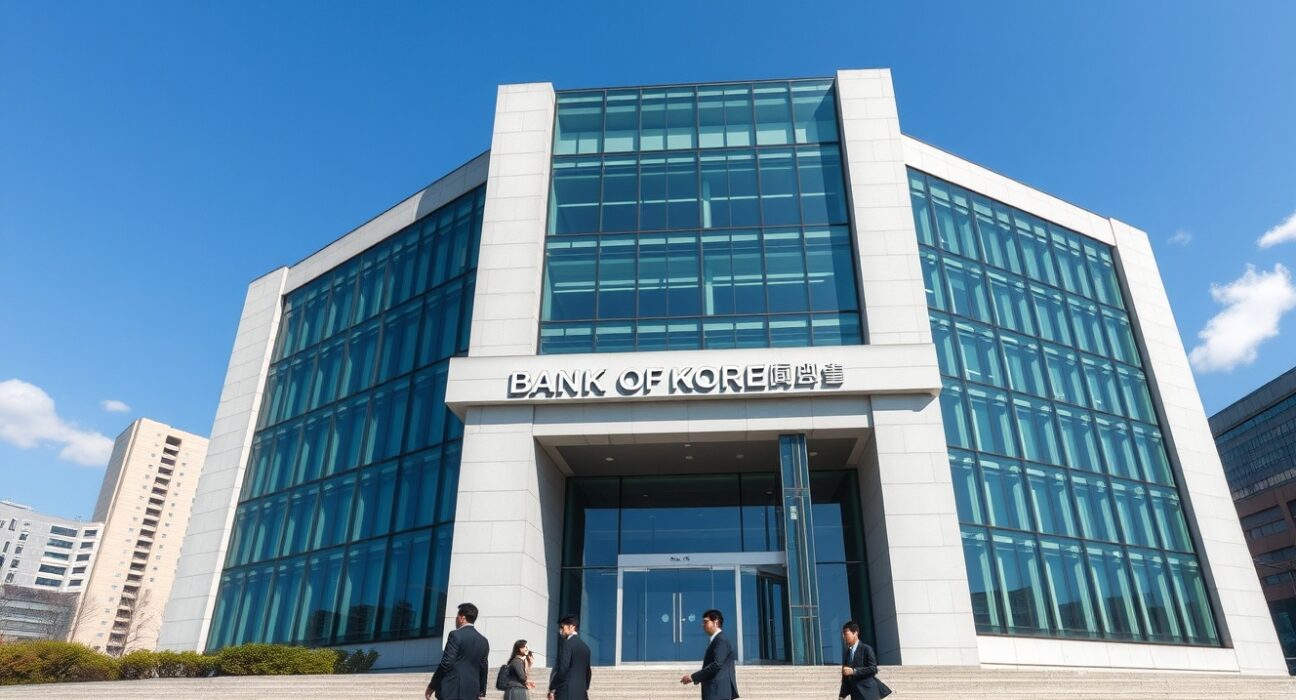
SEOUL, South Korea – March 2025: Inflationary pressures continue building across South Korea’s economy, according to recent analysis from ING Group, signaling potential challenges for monetary policymakers and consumers alike. The Dutch multinational banking firm highlights several concerning trends in its latest assessment of Asia’s fourth-largest economy.
South Korea Inflation Trends Show Persistent Pressure
Recent data from Statistics Korea reveals consumer prices increased by 3.2% year-on-year in February 2025. This marks the eighth consecutive month above the Bank of Korea’s 2% target. Core inflation, which excludes volatile food and energy prices, remains particularly stubborn at 2.8%. The central bank’s preferred measure of underlying inflation shows little sign of easing.
Several factors contribute to these persistent pressures. Global commodity prices have remained elevated despite some moderation. Additionally, service sector inflation continues accelerating. Restaurant prices increased by 4.1% year-on-year. Meanwhile, housing maintenance costs rose by 3.8%. These trends suggest inflation is becoming more broad-based.
ING Analysis Points to Structural Challenges
ING economists identify multiple structural factors driving inflation. Demographic shifts are creating labor market tightness. South Korea’s rapidly aging population reduces workforce participation. Consequently, wage growth has accelerated to 5.1% year-on-year. This exceeds productivity gains, creating cost-push inflation pressures.
The analysis also highlights sector-specific dynamics. Manufacturing faces supply chain reconfiguration costs. Meanwhile, the services sector experiences strong post-pandemic demand. These combined forces create persistent inflationary momentum. The table below illustrates key inflation components:
| Component | February 2025 YoY Change | Contribution to Overall CPI |
|---|---|---|
| Food & Non-Alcoholic Beverages | 4.2% | 0.8 percentage points |
| Housing & Utilities | 3.5% | 0.9 percentage points |
| Transportation | 2.8% | 0.4 percentage points |
| Restaurants & Accommodation | 4.1% | 0.6 percentage points |
Monetary Policy Implications
The Bank of Korea faces difficult policy decisions. Governor Rhee Chang-yong must balance inflation control with economic growth concerns. Recent statements suggest continued hawkish bias. However, the strong Korean won provides some inflation relief. It reduces import costs for energy and commodities.
Market expectations point toward potential rate adjustments. Most analysts anticipate maintaining the current 3.5% policy rate through mid-2025. Nevertheless, ING warns that premature easing could reignite inflation expectations. The central bank’s credibility remains paramount for anchoring long-term expectations.
Global Context and Comparative Analysis
South Korea’s inflation trajectory differs from regional peers. Japan continues experiencing relatively mild price increases. China faces deflationary pressures in several sectors. Meanwhile, Australia and New Zealand confront similar inflation challenges. This divergence complicates coordinated policy responses.
Global energy markets significantly influence domestic prices. Brent crude oil prices have fluctuated between $75 and $85 per barrel. Natural gas prices show similar volatility. These fluctuations transmit directly to Korean consumers through electricity and transportation costs. Additionally, agricultural commodity prices affect food inflation.
Key factors influencing South Korea’s inflation outlook include:
- Exchange rate dynamics: Won strength against the dollar reduces import costs
- Labor market conditions: Tight employment supports wage growth
- Government policies: Fiscal measures affect aggregate demand
- Global supply chains: Reconfiguration continues affecting manufacturing costs
Sector-Specific Impacts and Consumer Effects
Different economic sectors experience varying inflation impacts. The manufacturing sector faces input cost pressures. Semiconductor producers report rising materials expenses. Automobile manufacturers encounter similar challenges. These costs may eventually pass through to consumers.
Service sector inflation remains particularly concerning. Healthcare costs increased by 3.9% year-on-year. Education expenses rose by 3.7%. These essential services comprise significant household budget shares. Consequently, lower-income households face disproportionate impacts.
Real wage growth turned negative in late 2024. Nominal wage increases failed to outpace inflation. This erosion of purchasing power affects consumer sentiment. Retail sales growth has moderated accordingly. The household debt burden exacerbates these challenges.
Corporate Sector Response and Adaptation
Korean corporations implement various strategies to manage cost pressures. Many companies pursue efficiency improvements through technology adoption. Some businesses adjust product sizes or formulations. Others gradually increase prices while enhancing value propositions.
Export-oriented firms benefit from won depreciation against certain currencies. However, global demand uncertainties create additional challenges. The technology sector faces particular volatility. Memory chip prices show signs of stabilization after previous declines.
Forward Outlook and Risk Assessment
ING’s analysis suggests inflation will gradually moderate through 2025. Base effects from previous energy price spikes will provide mathematical relief. However, underlying pressures may persist. The firm projects year-end inflation around 2.5%. This remains above the central bank’s target.
Several risks could alter this trajectory. Geopolitical tensions might disrupt energy supplies. Weather patterns could affect agricultural production. Domestic wage negotiations may yield higher settlements than anticipated. Additionally, housing market dynamics could influence shelter costs.
The Bank of Korea maintains data-dependent approach. Policymakers emphasize monitoring multiple indicators. These include inflation expectations surveys and wage growth data. Financial stability considerations also influence decisions. The high household debt level limits policy flexibility.
Conclusion
South Korea’s inflation pressures present complex challenges for economic policymakers. ING’s analysis highlights both cyclical and structural factors driving price increases. The Bank of Korea must navigate delicate trade-offs between price stability and growth support. Global economic conditions will significantly influence domestic outcomes. Continued monitoring of inflation indicators remains essential for appropriate policy responses. The evolution of South Korea inflation will affect not only domestic consumers but also regional economic dynamics and global market sentiment.
FAQs
Q1: What is the current inflation rate in South Korea?
Statistics Korea reports February 2025 consumer price inflation at 3.2% year-on-year, with core inflation at 2.8%.
Q2: How does South Korea’s inflation compare to other developed economies?
South Korea’s inflation exceeds Japan’s but remains below levels seen in some Western economies. Regional variations reflect different economic structures and policy responses.
Q3: What factors are driving inflation in South Korea according to ING?
ING identifies multiple drivers including wage growth, service sector demand, global commodity prices, and supply chain adjustments affecting manufacturing costs.
Q4: How is the Bank of Korea responding to inflation pressures?
The central bank maintains a hawkish bias with the policy rate at 3.5%, emphasizing data-dependent decisions and monitoring inflation expectations closely.
Q5: What are the main risks to South Korea’s inflation outlook?
Key risks include geopolitical disruptions to energy supplies, weather-related agricultural impacts, stronger-than-expected wage growth, and housing market dynamics affecting shelter costs.
Disclaimer: The information provided is not trading advice, Bitcoinworld.co.in holds no liability for any investments made based on the information provided on this page. We strongly recommend independent research and/or consultation with a qualified professional before making any investment decisions.
