

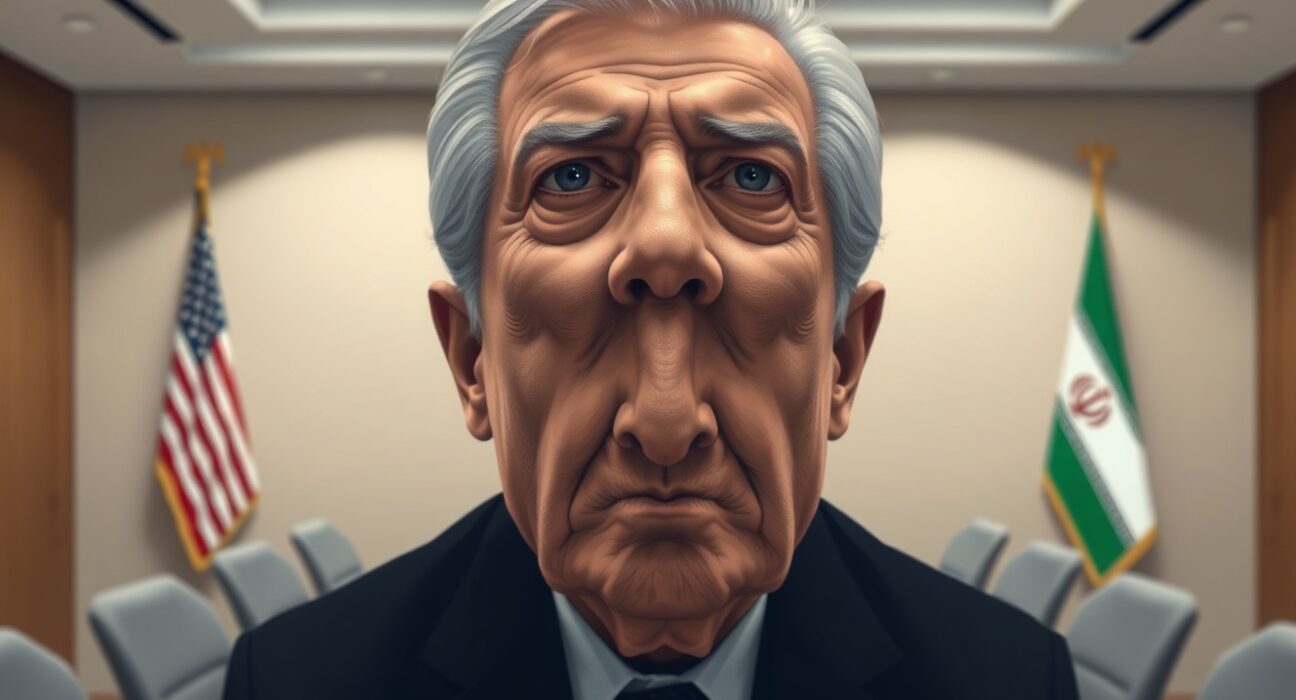
WASHINGTON, D.C. – In a significant development that tests diplomatic resolve, President Donald Trump declared that Iran’s downing of a U.S. military fighter jet will not affect ongoing negotiations between the two nations. This statement, reported by Walter Bloomberg, comes amid heightened regional tensions and demonstrates the administration’s commitment to maintaining diplomatic channels despite military provocations. The incident represents one of the most serious confrontations between the two countries in recent years, yet the White House appears determined to prevent it from derailing broader strategic discussions.
Trump’s Calculated Response to Military Incident
President Trump’s measured reaction to the downed fighter jet reveals a strategic approach to complex international relations. The administration immediately focused on diplomatic continuity rather than military escalation. This decision reflects careful consideration of multiple geopolitical factors currently shaping Middle Eastern dynamics. Furthermore, the President declined to comment on specific details regarding search and rescue operations in Iranian territory following the incident. This discretion maintains operational security while acknowledging the sensitive nature of cross-border military activities.
The White House’s response aligns with established protocols for managing international crises while preserving negotiation frameworks. Historical precedents show that similar incidents have frequently led to complete diplomatic breakdowns between adversarial nations. However, the current administration’s approach suggests a different calculus regarding long-term strategic objectives in the region. Military analysts note that maintaining communication channels during crises often prevents misunderstandings that could lead to broader conflicts.
Historical Context of US-Iran Negotiations
Current negotiations between the United States and Iran exist within a complex historical framework spanning decades. Relations between the two nations have experienced numerous cycles of tension and limited engagement since the 1979 Iranian Revolution. The Joint Comprehensive Plan of Action (JCPOA), implemented in 2015, represented a major diplomatic achievement that temporarily eased tensions. However, the U.S. withdrawal from this agreement in 2018 created new challenges for bilateral relations.
Recent negotiation efforts have focused on several key areas:
- Nuclear program limitations and verification mechanisms
- Regional security concerns involving proxy forces
- Economic sanctions relief and trade normalization
- Prisoner exchanges and humanitarian considerations
- Maritime security in strategic waterways
These multifaceted discussions require delicate balancing of security interests and diplomatic compromises. The downing of a U.S. aircraft tests this delicate balance significantly. Regional experts emphasize that such incidents typically occur within broader patterns of calculated signaling between adversarial states.
Military Diplomacy and Strategic Messaging
The intersection of military action and diplomatic negotiation represents a critical aspect of international statecraft. Nations frequently use controlled military demonstrations to strengthen their bargaining positions without intending full-scale conflict. This incident follows established patterns of what scholars term “coercive diplomacy” – using limited force to achieve political objectives while avoiding war. The U.S. response indicates recognition of this dynamic and a decision to maintain primary focus on diplomatic outcomes.
Comparative analysis reveals how different administrations have handled similar provocations:
| Incident | Year | Administration | Diplomatic Outcome |
|---|---|---|---|
| Iran seizes US sailors | 2016 | Obama | Quick resolution through diplomatic channels |
| US drone shot down | 2019 | Trump | Last-minute cancellation of retaliatory strikes |
| Tanker attacks | 2019 | Trump | Increased sanctions without military response |
This pattern suggests that both nations have developed mechanisms for managing crises without complete diplomatic rupture. The current incident’s handling continues this established practice of compartmentalizing military incidents from broader negotiation tracks.
Regional Security Implications and Global Reactions
The fighter jet incident occurs within a volatile regional security environment. Multiple Middle Eastern nations monitor U.S.-Iran interactions closely, as outcomes significantly affect their own security calculations. Gulf Cooperation Council members, particularly Saudi Arabia and the United Arab Emirates, maintain complex relationships with both Washington and Tehran. These nations typically advocate for firm responses to Iranian military actions while supporting diplomatic engagement that addresses shared concerns.
International responses have followed predictable patterns based on existing alliances and strategic interests. European nations, committed to preserving the nuclear agreement framework, generally urge restraint and continued dialogue. Meanwhile, Israeli officials typically emphasize the need for decisive responses to Iranian provocations. Russian and Chinese reactions often focus on principles of sovereignty and non-interference while advocating for diplomatic solutions. This diverse international landscape complicates unilateral responses and encourages measured diplomatic approaches.
Regional security experts identify several immediate implications:
- Increased aerial surveillance adjustments in conflict zones
- Revised rules of engagement for military forces
- Enhanced communication protocols to prevent escalation
- Diplomatic reassurance to regional partners
- Intelligence sharing modifications among allies
These operational changes occur alongside continued diplomatic engagement, demonstrating how nations manage parallel tracks of competition and negotiation.
Search and Rescue Operational Considerations
President Trump’s decision not to discuss search and rescue details reflects standard protocol for sensitive military operations. When incidents occur in or near adversarial territory, operational security becomes paramount. Military planners balance transparency concerns with the need to protect personnel, tactics, and intelligence capabilities. The location of the incident – whether in international airspace or contested regions – significantly affects available response options and public disclosure decisions.
Search and rescue operations involving downed aircraft in potentially hostile environments require:
- Rapid location identification using multiple intelligence sources
- Diplomatic coordination with relevant authorities
- Risk assessment for recovery personnel
- Contingency planning for various scenarios
- Family notification protocols for affected personnel
These complex operational considerations explain the administration’s cautious approach to public commentary. Military families and personnel deserve accurate information, but premature disclosure can compromise ongoing operations and future capabilities.
Economic and Sanctions Context
The incident occurs against the backdrop of extensive economic sanctions affecting Iran’s economy. The U.S. maximum pressure campaign, initiated after withdrawing from the nuclear agreement, has significantly constrained Iran’s financial resources and oil exports. These economic pressures create both challenges and opportunities for diplomatic engagement. Some analysts argue that economic distress makes Iran more likely to negotiate seriously, while others suggest it increases provocative behavior to gain leverage.
Key economic factors influencing current negotiations include:
- Oil export restrictions and waiver policies
- Financial transaction limitations affecting humanitarian trade
- Foreign investment deterrents due to secondary sanctions
- Currency depreciation and domestic economic pressures
- Regional trade patterns and smuggling networks
The relationship between military incidents and economic pressure represents a complex feedback loop in international relations. Provocations sometimes aim to demonstrate resolve despite economic hardship, while simultaneously testing opponents’ willingness to escalate. The administration’s decision to continue negotiations despite the fighter jet incident suggests confidence that economic leverage will ultimately produce diplomatic results.
Conclusion
President Trump’s declaration that Iran’s downing of a U.S. fighter jet will not affect negotiations demonstrates a strategic commitment to diplomatic engagement despite military provocations. This approach reflects sophisticated understanding of how nations manage multiple dimensions of adversarial relationships simultaneously. The incident tests established protocols for crisis management while preserving negotiation frameworks that address long-term strategic interests. As both nations navigate this delicate situation, their actions will establish important precedents for managing future incidents between adversarial states with ongoing diplomatic relations. The Trump administration’s response to the downed fighter jet ultimately emphasizes diplomatic continuity over military escalation, prioritizing negotiated solutions to complex international challenges.
FAQs
Q1: What specifically did President Trump say about the downed fighter jet?
President Trump stated clearly that Iran’s downing of a U.S. military fighter jet would not affect ongoing negotiations between the two countries, emphasizing diplomatic continuity despite the serious military incident.
Q2: Why did Trump decline to comment on search and rescue operations?
The President declined to discuss operational details to maintain security for personnel involved, protect intelligence sources and methods, and avoid compromising any ongoing recovery efforts in sensitive territory.
Q3: How does this incident compare to previous US-Iran military confrontations?
This incident follows patterns of controlled escalation seen in previous encounters, including drone shootdowns and naval incidents, where both sides have typically avoided full escalation while maintaining diplomatic channels.
Q4: What are the main subjects of current US-Iran negotiations?
Current negotiations reportedly address nuclear program limitations, regional security concerns, economic sanctions relief, prisoner exchanges, and maritime security issues in strategic waterways.
Q5: How have other nations reacted to this incident?
International reactions have varied by alliance, with European nations urging continued dialogue, regional partners monitoring closely for security implications, and global powers generally advocating for diplomatic resolution.
Disclaimer: The information provided is not trading advice, Bitcoinworld.co.in holds no liability for any investments made based on the information provided on this page. We strongly recommend independent research and/or consultation with a qualified professional before making any investment decisions.
