

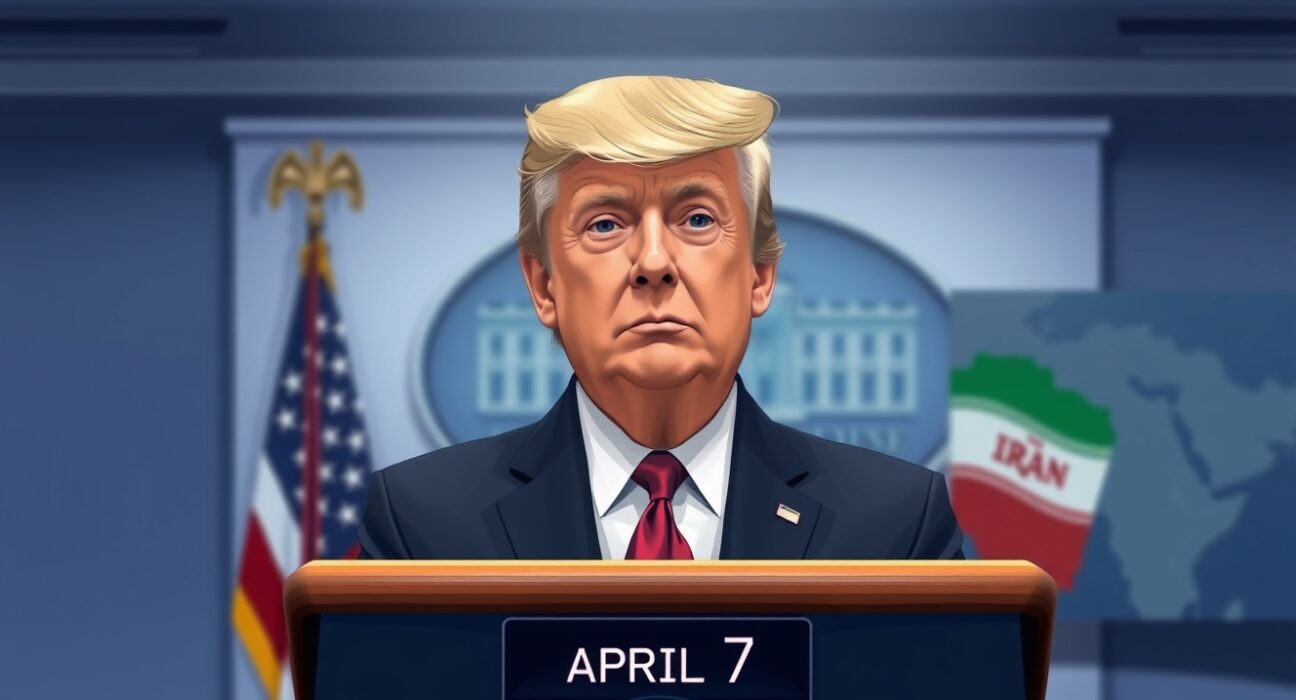
WASHINGTON, D.C. – In a move escalating geopolitical tensions, former President Donald Trump has issued a critical warning, stating the United States remains firmly committed to an April 7 deadline for decisive action regarding Iran. This announcement immediately reverberated through diplomatic channels and global markets, signaling a potential pivotal moment in Middle Eastern relations. Consequently, analysts are scrutinizing the statement’s implications for regional stability and international security frameworks. The declared deadline now sets a clear timeline for a significant foreign policy decision.
Analyzing the April 7 Deadline for Iran
The specific mention of April 7 as a final deadline introduces a concrete element into the ongoing diplomatic standoff. Historically, such deadlines from the Trump administration have preceded major policy shifts, including the withdrawal from the Iran nuclear deal in 2018. Therefore, this new deadline is not an isolated event but part of a consistent strategic pattern. The administration’s stance suggests a culmination of pressure tactics aimed at compelling Iranian compliance with US demands. These demands typically center on nuclear program limitations and regional influence.
Key factors surrounding this deadline include:
- Sanctions Enforcement: The deadline may trigger the full imposition of secondary sanctions on nations continuing to trade with Iran.
- Military Posturing: It could authorize increased naval deployments or other military demonstrations in the Persian Gulf.
- Diplomatic Isolation: The US may move to further isolate Iran in international forums like the United Nations.
Regional allies, particularly Israel and Saudi Arabia, have long advocated for a firmer stance. Conversely, European signatories to the JCPOA urge diplomatic continuity. This deadline forces all parties to recalibrate their positions ahead of the April date.
Geopolitical Context and Historical Precedents
Understanding this warning requires examining the complex US-Iran relationship. Tensions have remained high since the 1979 Iranian Revolution. The 2015 Joint Comprehensive Plan of Action (JCPOA) provided a temporary framework. However, the US withdrawal in 2018 under President Trump reinstated severe economic sanctions. This “maximum pressure” campaign has defined the policy approach, aiming to curb Iran’s nuclear and ballistic missile programs.
Expert Analysis on Strategic Implications
Foreign policy experts note that public deadlines serve multiple purposes. Primarily, they create a forcing mechanism for negotiations. They also signal resolve to domestic and international audiences. Dr. Elena Rodriguez, a senior fellow at the Center for Strategic Studies, states, “Public deadlines in diplomacy are high-stakes tools. They compress decision-making timelines and can either break deadlocks or trigger escalations. The April 7 date gives very little time for a substantive Iranian response, suggesting the administration is prepared to act.” This perspective highlights the deliberate pressure applied by setting a near-term date.
The potential impacts are multifaceted:
| Area of Impact | Potential Consequence |
|---|---|
| Global Oil Markets | Supply chain disruptions could increase volatility in crude oil prices. |
| Regional Security | Heightened risk of miscalculation or proxy conflict escalation. |
| Non-Proliferation | Potential undermining of international nuclear agreement frameworks. |
| Alliance Dynamics | Strain on US relations with European partners seeking diplomacy. |
The Path Forward and International Response
The international community now watches for Iran’s official reaction. Iranian leadership has previously vowed to resist what it calls “American bullying.” Meanwhile, diplomatic efforts by other nations may intensify in the coming days to avert a crisis. The United Nations Secretary-General has consistently called for dialogue and de-escalation. Furthermore, the International Atomic Energy Agency (IAEA) continues its monitoring duties, providing technical facts on Iran’s nuclear activities.
For the United States, the weeks leading to April 7 will involve coordinated messaging with allies and contingency planning. The Department of Defense likely has prepared various options for presidential consideration. Simultaneously, the State Department will engage in last-ditch diplomatic outreach. This two-track approach prepares for multiple potential outcomes post-deadline.
Conclusion
President Trump’s warning about the April 7 deadline for Iran action marks a critical juncture in US foreign policy. The statement sets a firm timeline for a decision that carries significant weight for global security and economic stability. The coming weeks will test diplomatic channels and reveal the administration’s specific intentions. Ultimately, the world awaits to see if this deadline will lead to renewed confrontation, a negotiated off-ramp, or a definitive policy shift. The April 7 deadline now stands as a pivotal date on the international calendar.
FAQs
Q1: What is the April 7 deadline regarding Iran?
The April 7 deadline refers to a date set by former President Donald Trump by which the United States will take final action against Iran, likely involving the enforcement of sanctions or other diplomatic or military measures.
Q2: What actions could the US take after the deadline?
Potential actions include imposing new sanctions, strengthening existing sanctions enforcement, increasing military presence in the region, or pursuing further diplomatic isolation of Iran through international bodies.
Q3: How has Iran responded to similar US deadlines in the past?
Historically, Iran has responded to US pressure with defiance, often accelerating its nuclear program or conducting military exercises. It has also sought to leverage relationships with European and Asian partners to mitigate economic pressure.
Q4: What is the status of the Iran nuclear deal (JCPOA)?
The United States unilaterally withdrew from the JCPOA in 2018. Other signatories have attempted to keep the agreement alive, but its effectiveness has been significantly undermined by US sanctions and Iran’s subsequent reduction of its compliance.
Q5: How are US allies reacting to this deadline?
Reactions are mixed. Key regional allies like Israel and Saudi Arabia generally support a hardline stance. European allies, however, typically express concern and urge diplomatic solutions to avoid further destabilizing the region.
Q6: Could this deadline lead to military conflict?
While the immediate risk of large-scale war is considered low by many analysts, the deadline increases the chance of miscalculation or a localized incident escalating, particularly in the crowded Persian Gulf waterways.
Disclaimer: The information provided is not trading advice, Bitcoinworld.co.in holds no liability for any investments made based on the information provided on this page. We strongly recommend independent research and/or consultation with a qualified professional before making any investment decisions.
