

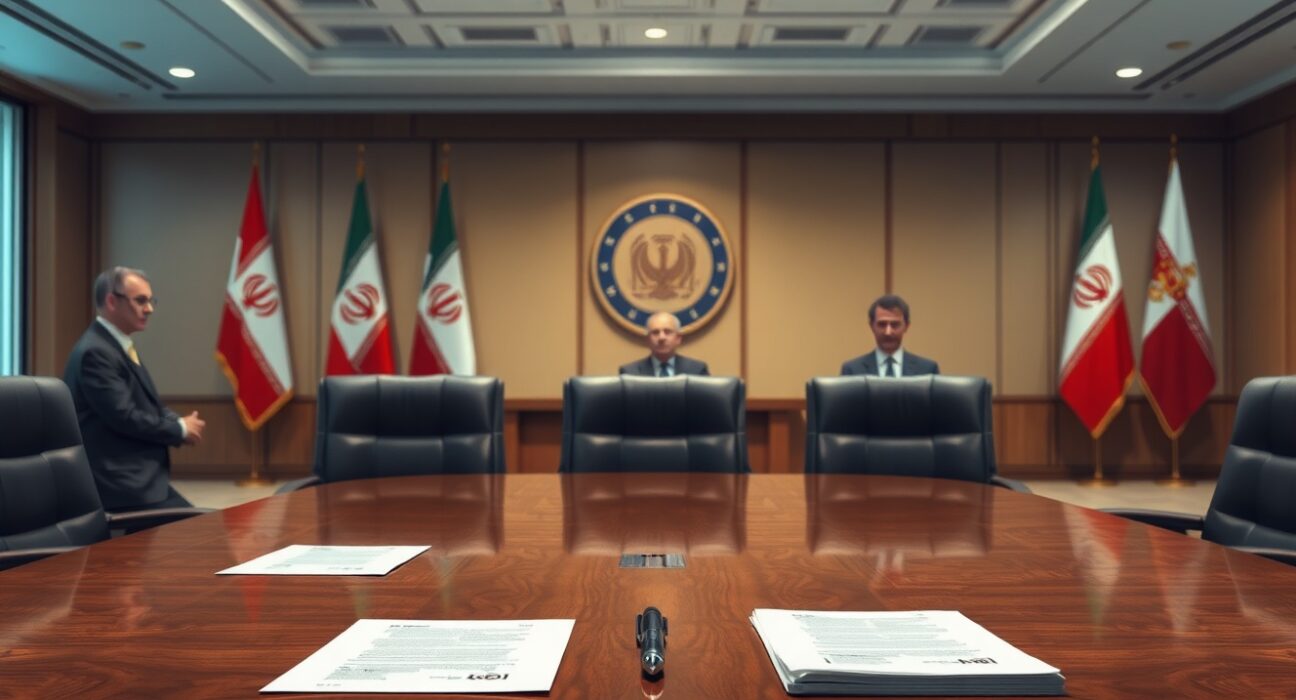
TEHRAN, Iran – March 15, 2025: Iran has abruptly suspended all ceasefire negotiations with the United States, according to three senior Iranian officials who confirmed the diplomatic rupture. Furthermore, Tehran has formally notified Pakistan that it will no longer participate in the multilateral talks, effectively collapsing a fragile diplomatic process aimed at de-escalating regional tensions. This decisive move marks a significant setback for international peace efforts and immediately raises concerns about renewed instability across the Middle East.
Iran Ceasefire Talks Reach a Sudden Impasse
The suspension of talks represents a dramatic reversal from just weeks ago. Diplomatic channels between Iran and the United States, facilitated indirectly through European and regional partners, had shown tentative signs of progress. However, internal political pressures within Iran and unresolved disagreements over core security guarantees ultimately derailed the process. Consequently, the Iranian delegation received instructions to halt all engagement, a directive they communicated clearly to their American counterparts through established backchannels.
This development follows months of intricate, behind-the-scenes diplomacy. Notably, the negotiations sought to establish a framework for mutual de-escalation and address longstanding points of contention. Key issues included security arrangements in the Persian Gulf and the status of various regional proxy forces. The sudden Iranian withdrawal, therefore, leaves these critical matters unresolved and dangerously open.
Pakistan Formally Notified of Iranian Withdrawal
In a related diplomatic notification, Iranian authorities informed the government of Pakistan of its decision to withdraw from the talks. Pakistan had played a crucial role as a regional interlocutor, hosting preliminary meetings and advocating for dialogue. The notification, delivered by Iran’s Foreign Ministry to the Pakistani ambassador in Tehran, cited “shifting regional dynamics and fundamental disagreements with the American approach” as primary reasons.
This formal communication underscores the multilateral nature of the now-failed initiative. Pakistan’s involvement was seen as vital for addressing cross-border security concerns and fostering a broader regional consensus. The withdrawal of Iran, a central actor, effectively nullifies the current format of the dialogue, forcing other participants to reassess their positions.
Expert Analysis on the Diplomatic Breakdown
Regional analysts point to several converging factors that led to this breakdown. First, hardline factions within Iran’s political establishment have consistently opposed direct engagement with the United States. Second, recent military developments in the region may have altered Tehran’s strategic calculus. Third, the failure to agree on verifiable measures for sanctions relief in exchange for Iranian concessions created an insurmountable deadlock.
“The collapse of these talks is not a surprise to those tracking internal Iranian politics,” explains Dr. Leila Karimi, a senior fellow at the Institute for Regional Studies. “The leadership in Tehran faces immense pressure to demonstrate strength and sovereignty. Engaging in public negotiations with Washington, especially without immediate tangible gains, became a politically untenable position. The notification to Pakistan is a strategic signal to other regional powers that Iran is recalibrating its diplomatic posture.”
Immediate Impacts on Regional Security and Diplomacy
The immediate consequences of this diplomatic rupture are multifaceted and serious. Security forces across the Middle East are likely to heighten their alert status in anticipation of potential provocations. Furthermore, the following key impacts are anticipated:
- Escalated Military Posturing: Naval and aerial patrols in the Persian Gulf and Strait of Hormuz may increase, raising the risk of accidental clashes.
- Strained Alliances: Relations between Iran and neighboring Gulf states, which had cautiously supported the dialogue, may deteriorate.
- Humanitarian Consequences: Any hope for a negotiated solution to ongoing regional conflicts, which impact civilian populations, is now delayed indefinitely.
- Economic Ramifications: Global oil markets may experience volatility due to fears of supply disruption from a key producing region.
Historical Context of US-Iran Negotiations
This latest failure occurs within a long history of fraught diplomacy between the United States and Iran. The following table outlines key recent attempts at dialogue:
| Initiative/Agreement | Timeframe | Primary Outcome |
|---|---|---|
| Joint Comprehensive Plan of Action (JCPOA) | 2015-2018 | US withdrawal in 2018; Iran gradually breached limits afterwards. |
| Oman-mediated Indirect Talks | 2021-2023 | Exploratory discussions on prisoner swaps and nuclear issues. |
| Ceasefire & De-escalation Framework | 2024-2025 | Collapsed with Iran’s suspension announced March 2025. |
As the table illustrates, sustained diplomatic success has been elusive. Each period of engagement has been fragile, vulnerable to political shifts in Washington or Tehran. The current collapse fits this historical pattern of advancement and setback.
Conclusion
The suspension of Iran ceasefire talks with the United States and the notification to Pakistan represents a major pivot in Middle Eastern diplomacy. This decision halts a painstakingly built process and returns regional relations to a state of uncertainty and potential confrontation. The international community now faces the urgent challenge of preventing escalation and exploring alternative avenues for stability. The path forward requires careful, sober statecraft from all involved parties to manage the significant risks created by this diplomatic void.
FAQs
Q1: What specifically triggered Iran’s decision to suspend talks?
According to officials, the decision resulted from a combination of unresolved disagreements over security guarantees, domestic political pressure within Iran against negotiating with the US, and a reassessment of regional strategic interests.
Q2: Does this mean all communication between the US and Iran has stopped?
Not necessarily. While formal ceasefire negotiations are suspended, other channels for managing crises or discussing specific issues, like prisoner exchanges, may remain operational through intermediaries.
Q3: What role was Pakistan playing in these talks?
Pakistan acted as a host and facilitator for multilateral discussions, leveraging its relationships with both Iran and other regional actors to encourage dialogue and build confidence among participants.
Q4: Could these talks be revived in the future?
Diplomatic efforts can often resume after a pause, but reviving them would require a significant change in circumstances or concessions from one or both main parties to overcome the current impasse.
Q5: What is the most immediate security risk following this announcement?
The most immediate risk is an increase in military or proxy activity in contested areas like the Persian Gulf, Syria, or Iraq, as parties may seek to strengthen their bargaining position outside of diplomacy.
Disclaimer: The information provided is not trading advice, Bitcoinworld.co.in holds no liability for any investments made based on the information provided on this page. We strongly recommend independent research and/or consultation with a qualified professional before making any investment decisions.
