

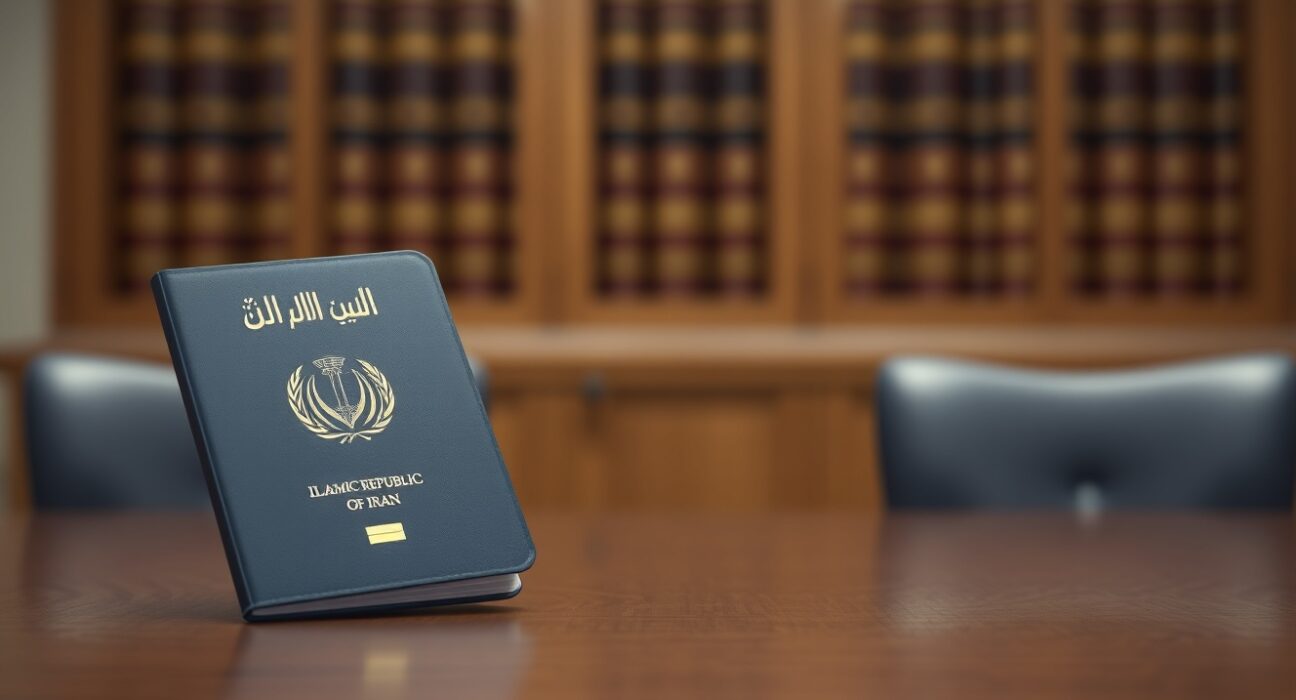
In a significant development for international relations, the Tehran Times has reported that diplomatic and indirect communication channels between the Islamic Republic of Iran and the United States remain operational. This revelation, emerging from Tehran on May 15, 2025, underscores a persistent, albeit fragile, line of contact between two long-standing adversaries. The maintenance of these channels occurs against a complex backdrop of stalled nuclear negotiations, regional tensions, and shifting global alliances. Consequently, analysts are scrutinizing this report for signals about potential future dialogue or crisis management mechanisms. The persistence of these links suggests that, despite public posturing, both capitals recognize the imperative of maintaining a minimum level of strategic communication.
Analyzing the Tehran Times Report on Iran-US Diplomacy
The Tehran Times, an English-language newspaper reflecting Iranian government perspectives, serves as a crucial conduit for official messaging. Its report on the open channels is not an isolated statement. Instead, it fits within a pattern of carefully managed diplomatic signaling. Historically, such reports often precede or follow discreet diplomatic engagements facilitated by third parties. For instance, Oman and Switzerland have frequently acted as intermediaries. The report deliberately emphasizes the term “indirect,” aligning with Iran’s public stance of refusing direct talks without the lifting of key U.S. sanctions. This nuanced language allows both nations to communicate without conceding political ground domestically.
Furthermore, the channels reportedly serve multiple critical functions:
- Crisis De-escalation: Preventing minor incidents from escalating into major conflicts, especially in the volatile Persian Gulf.
- Prisoner Exchange Negotiations: Managing discussions regarding detained foreign nationals.
- Nuclear Deal Coordination: Exchanging messages related to the dormant Joint Comprehensive Plan of Action (JCPOA).
- Regional Security: Addressing mutual concerns about threats from extremist groups.
Experts note that the mere existence of these channels does not guarantee progress. However, it does provide a vital safety net. Former U.S. State Department official, Dr. Anya Petrova, stated in a 2024 Council on Foreign Relations brief, “In the absence of formal relations, these backchannels are the plumbing of the relationship. They keep the system from freezing entirely, even if no hot water is flowing.” This analogy captures their essential, if unglamorous, role in international statecraft.
The Historical Context of US-Iranian Communications
Understanding the current report requires examining the turbulent history of Iran-US contacts. Diplomatic relations severed in 1980 have since been characterized by periods of intense hostility punctuated by secret talks. Key milestones define this complex timeline:
| Year | Event | Channel/Forum |
|---|---|---|
| 1985-86 | Iran-Contra Affair | Covert arms-for-hostages talks |
| 2001-03 | Cooperation post-9/11 & initial Afghan talks | Direct dialogue in Geneva |
| 2013-15 | JCPOA negotiations | Direct talks mediated by EU (P5+1 format) |
| 2018-24 | Post-JCPOA collapse & “maximum pressure” | Indirect messages via European allies and Oman |
The 2015 nuclear deal, or JCPOA, represented the high-water mark of direct diplomacy. Its subsequent collapse in 2018 after the U.S. withdrawal forced communications back into indirect and opaque formats. The Biden administration’s attempts to revive the deal faced numerous obstacles, including Iran’s advancing nuclear program and internal political shifts in both countries. Therefore, the channels referenced by the Tehran Times represent the current, diminished version of a dialogue mechanism that has expanded and contracted for over four decades. They are a testament to the enduring need for contact, even amidst profound disagreement.
Regional Security and Global Implications
The state of Iran-US communications directly impacts Middle Eastern security architecture. Open channels can facilitate de-confliction in Syria or Iraq, where both nations maintain military influence. They are also critical for managing the ongoing tensions in the Red Sea and the Strait of Hormuz, vital global shipping lanes. A breakdown in communication increases the risk of miscalculation, potentially leading to a direct military confrontation. For global energy markets and geopolitical stability, therefore, these channels hold significance far beyond bilateral grievances. European and Asian allies, dependent on regional stability, consistently advocate for their preservation.
Moreover, the dynamics affect non-proliferation efforts. The International Atomic Energy Agency (IAEA) continues to report on Iran’s growing stockpile of highly enriched uranium. Without any dialogue, the agency’s monitoring and verification capabilities face greater challenges. Indirect channels sometimes allow for the transmission of technical information or concerns related to nuclear safety, which remains a universal interest. Consequently, the report from Tehran, while sparse on details, offers a sliver of reassurance to the international community that a complete informational blackout has not occurred.
Conclusion
The Tehran Times report confirming open Iran-US diplomatic channels highlights a crucial, if limited, facet of a fraught relationship. These indirect lines of communication function as essential infrastructure for crisis prevention, managing regional flashpoints, and keeping alive the possibility of future formal negotiations. While they do not signify an imminent breakthrough or a thaw in relations, their continued operation is a strategic necessity recognized by both Washington and Tehran. In the high-stakes environment of Middle Eastern geopolitics and nuclear non-proliferation, maintaining these channels represents a minimal, yet vital, commitment to avoiding catastrophic conflict. The world will continue to watch for any signals that these channels may one day carry more substantive dialogue.
FAQs
Q1: What does “indirect communication channels” mean in this context?
It refers to diplomatic messages passed between Iran and the United States through intermediary countries or parties, such as Switzerland, Oman, or European Union officials, rather than through direct talks between their diplomats.
Q2: Why doesn’t Iran engage in direct talks with the US?
Iran’s official position ties direct negotiations to the prior removal of key U.S. sanctions, a condition not met. Direct talks are also politically sensitive within Iran’s domestic political landscape.
Q3: What is the main purpose of keeping these channels open?
The primary purposes are crisis de-escalation to prevent military miscalculation, discussing prisoner swaps, and exchanging messages on issues like the nuclear program and regional security, even when broader relations are frozen.
Q4: How reliable is the Tehran Times as a source?
The Tehran Times is an English-language publication that generally reflects the views of the Iranian government. Its reports on diplomatic matters are often considered deliberate forms of official signaling to international audiences.
Q5: Could these channels lead to a revival of the Iran nuclear deal (JCPOA)?
While the channels could transmit relevant proposals, reviving the JCPOA requires major political decisions in both capitals that currently seem unlikely. The channels are more about managing the status quo than enabling breakthroughs.
Q6: How do other countries view these Iran-US communication channels?
Key allies in Europe and the Gulf, as well as global powers like China and Russia, generally support the existence of these channels as a stabilizing factor that reduces the risk of a regional war that would have worldwide consequences.
Disclaimer: The information provided is not trading advice, Bitcoinworld.co.in holds no liability for any investments made based on the information provided on this page. We strongly recommend independent research and/or consultation with a qualified professional before making any investment decisions.
