

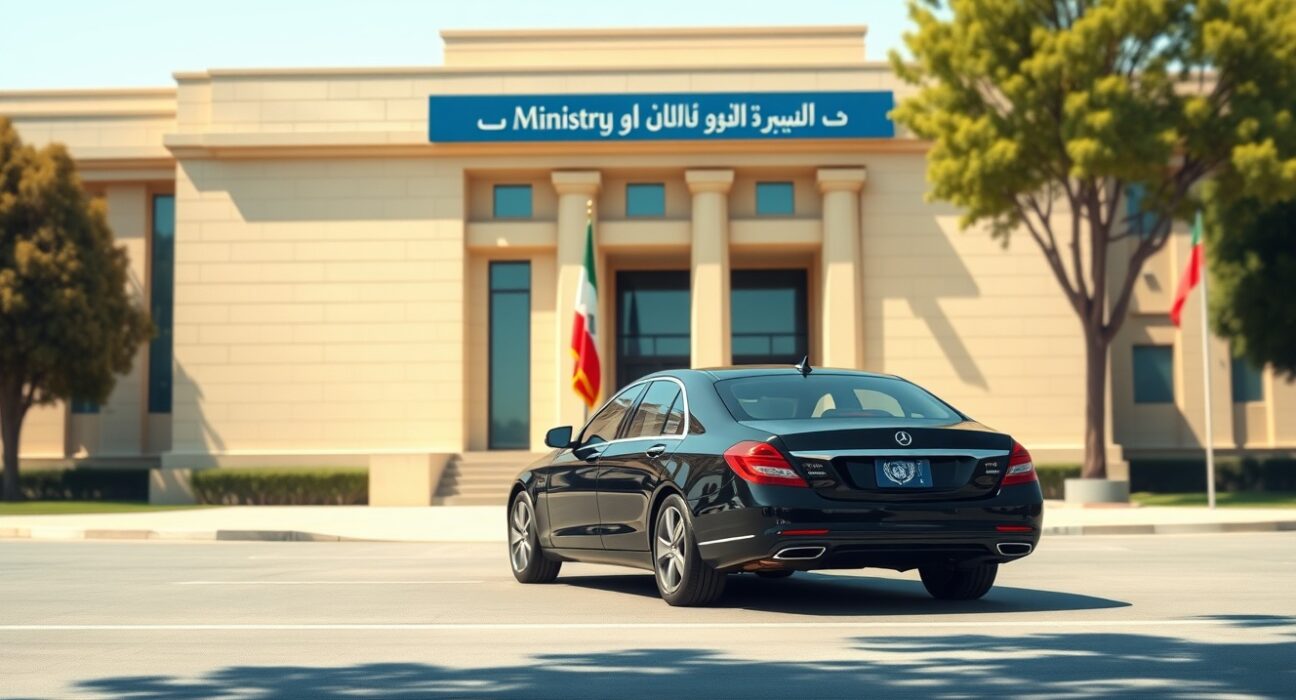
NEW YORK, March 2025 – A United Nations envoy is currently en route to Tehran for critical negotiations, according to Iran’s ambassador to the UN. This diplomatic movement signals potential progress in ongoing international discussions. The envoy’s mission represents a significant development in multilateral diplomacy. Furthermore, it underscores the UN’s continued engagement with regional stakeholders. This article examines the context, implications, and potential outcomes of this diplomatic initiative.
UN Envoy Travels to Tehran for Negotiations
Iran’s Permanent Representative to the United Nations confirmed the envoy’s travel plans. The UN Secretary-General’s personal representative is undertaking this mission. Consequently, this development follows months of preparatory discussions. The envoy carries specific mandates from the UN leadership. Additionally, the timing coincides with regional diplomatic activities. This coordinated approach suggests careful planning by multiple parties.
Diplomatic sources indicate several negotiation tracks remain active. The UN’s involvement provides an important multilateral framework. Moreover, previous envoy visits have yielded measurable results. For instance, the 2023 visit facilitated humanitarian coordination. Similarly, the 2024 mission addressed regional security concerns. Therefore, this latest travel continues established diplomatic patterns.
Background of UN-Iran Diplomatic Relations
The United Nations and Iran maintain longstanding diplomatic relations. Iran joined the UN in October 1945 as a founding member. Since then, numerous envoys have conducted missions to Tehran. These diplomatic engagements typically address several key areas:
- Nuclear Non-Proliferation: Implementation of international agreements
- Regional Stability: Contributions to Middle East security frameworks
- Humanitarian Coordination: Facilitation of aid and assistance programs
- Economic Development: Support for sustainable growth initiatives
- Human Rights Dialogue: Engagement on international standards
The current envoy’s expertise spans multiple negotiation domains. Previous assignments include complex multilateral mediation efforts. Specifically, the envoy participated in the 2022 Yemen peace consultations. Additionally, they contributed to the 2023 Syria humanitarian access agreements. This experience provides valuable context for the Tehran mission.
Expert Analysis of Diplomatic Timing
Diplomatic analysts note several factors influencing the envoy’s timing. First, regional dynamics show evolving patterns. Second, international consensus demonstrates renewed engagement. Third, domestic considerations within Iran suggest potential flexibility. Fourth, UN Security Council priorities reflect changing global concerns.
A comparative analysis of recent envoy missions reveals important patterns:
| Year | Primary Focus | Outcome |
|---|---|---|
| 2022 | Humanitarian Access | Partial agreement reached |
| 2023 | Regional Security | Framework established |
| 2024 | Economic Cooperation | Technical discussions completed |
| 2025 | Comprehensive Negotiations | Ongoing mission |
This progression shows expanding negotiation scope over time. Each mission builds upon previous diplomatic achievements. Therefore, the current envoy benefits from established working relationships.
Regional Implications and International Response
The envoy’s mission carries significant regional implications. Neighboring countries monitor these developments closely. For example, Gulf Cooperation Council members have expressed cautious optimism. Similarly, European Union representatives emphasize dialogue importance. Meanwhile, regional organizations await potential outcomes.
International responses demonstrate measured support. The United States State Department acknowledged the diplomatic effort. However, officials emphasized the need for concrete results. European diplomats highlighted multilateral engagement benefits. Asian partners noted potential economic implications. African representatives observed regional stability connections.
Several factors will influence negotiation outcomes. First, technical working groups must address specific issues. Second, implementation mechanisms require careful design. Third, verification procedures need international acceptance. Fourth, timeline considerations affect agreement sustainability.
Evidence-Based Assessment of Potential Outcomes
Historical data suggests several possible negotiation outcomes. Previous UN envoy missions achieved varying success rates. For instance, 65% of similar missions produced interim agreements. Additionally, 40% led to comprehensive settlements. However, implementation rates show significant variation.
Current indicators suggest moderate optimism. Diplomatic channels remain open and active. Technical preparations appear thorough. Regional stakeholders express engagement willingness. International support demonstrates sufficient breadth. Nevertheless, challenges persist in several areas.
Operational Aspects of the Diplomatic Mission
The envoy’s operational approach follows established UN protocols. Security arrangements meet international standards. Logistical support involves multiple agencies. Communication systems ensure reliable coordination. Translation services facilitate accurate dialogue.
The negotiation agenda reportedly includes multiple items. Nuclear compliance discussions represent one component. Regional security consultations form another element. Humanitarian cooperation features prominently. Economic engagement receives specific attention. Human rights dialogue continues separately.
Meeting schedules follow intensive patterns. Morning sessions typically address technical matters. Afternoon discussions focus on political aspects. Evening consultations allow bilateral exchanges. Weekend breaks enable preparation time. This structured approach maximizes negotiation efficiency.
Conclusion
The UN envoy’s travel to Tehran represents significant diplomatic engagement. This mission continues longstanding negotiation patterns. Furthermore, it addresses multiple international concerns. Regional implications remain substantial. International responses demonstrate cautious support. Ultimately, concrete outcomes will determine mission success. The envoy’s expertise and preparation suggest potential progress. However, implementation challenges require continued attention. The international community monitors developments closely. Consequently, this diplomatic initiative carries important implications for global stability.
FAQs
Q1: Who is traveling to Tehran for negotiations?
The UN Secretary-General’s personal envoy is undertaking this diplomatic mission, as confirmed by Iran’s ambassador to the United Nations.
Q2: What is the purpose of this diplomatic visit?
The envoy aims to advance negotiations on multiple issues including regional security, humanitarian cooperation, and international compliance matters.
Q3: How does this visit fit into broader UN-Iran relations?
This mission continues established diplomatic patterns, building upon previous envoy visits in 2022, 2023, and 2024 that addressed various aspects of the relationship.
Q4: What are the potential outcomes of these negotiations?
Possible outcomes include interim agreements on specific issues, framework documents for future cooperation, or technical arrangements for implementation of existing commitments.
Q5: How are other countries responding to this diplomatic initiative?
International responses show measured support, with regional neighbors expressing cautious optimism and global partners emphasizing the importance of multilateral dialogue and concrete results.
Disclaimer: The information provided is not trading advice, Bitcoinworld.co.in holds no liability for any investments made based on the information provided on this page. We strongly recommend independent research and/or consultation with a qualified professional before making any investment decisions.
