

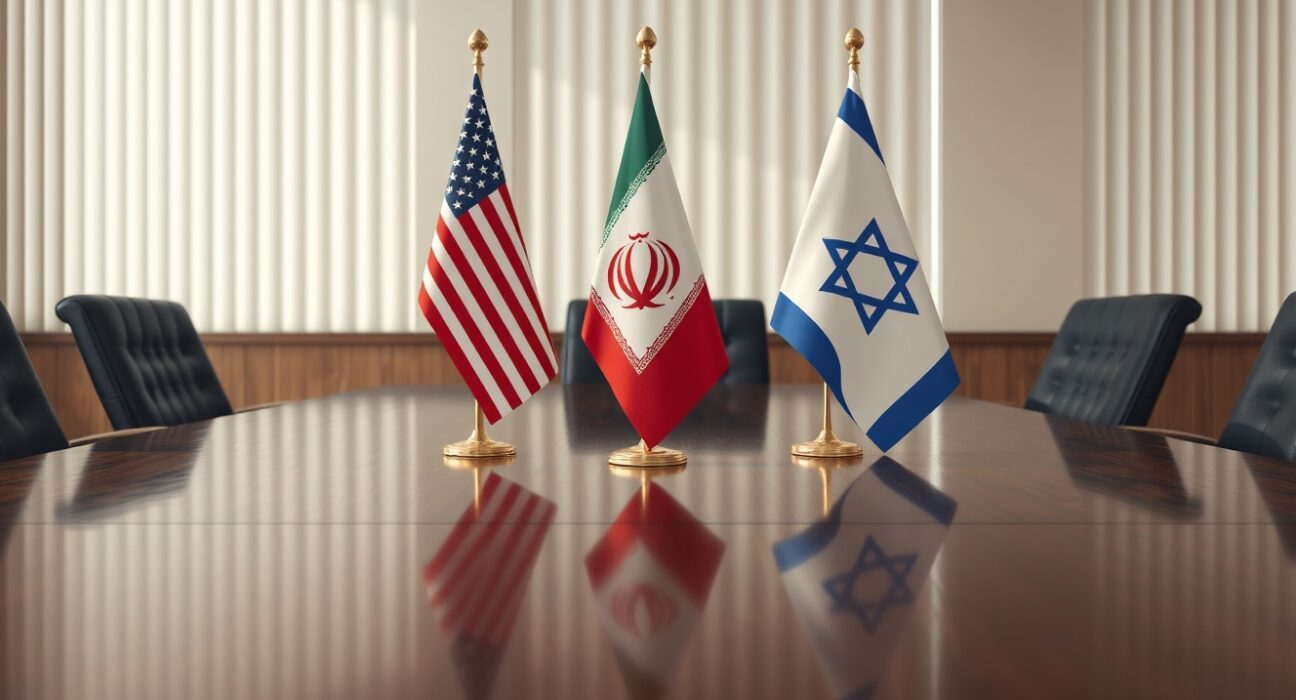
In a significant diplomatic development reported from Tehran on March 21, 2025, Iran has agreed to a provisional two-week ceasefire with the United States and Israel. This fragile truce, established under specific and undisclosed conditions, immediately alters the security calculus across the Middle East. Consequently, regional observers are analyzing the potential for de-escalation after years of heightened tensions and proxy conflicts. This report examines the agreement’s announced framework, its historical context, and its possible implications for global energy markets and regional stability.
Iran Ceasefire: Analyzing the Reported Terms and Conditions
Initial reports from Iranian state-aligned media outline a limited, conditional halt in hostilities. The agreement reportedly spans fourteen days, creating a temporary window for dialogue. Importantly, the “special conditions” attached remain unspecified publicly. However, analysts immediately point to several likely areas. These potential conditions could involve a mutual pause in certain military activities, a freeze on specific sanctions enforcement, or confidence-building measures regarding nuclear program inspections. Furthermore, the bilateral nature involving both the U.S. and Israel is particularly notable, as it indirectly acknowledges a multilateral negotiation framework.
Historical precedents inform current expectations. For instance, short-term truces have occasionally preceded broader negotiations in the region. The agreement’s structure suggests it is a confidence-building measure rather than a permanent solution. Regional powers are watching closely for any violations that could shatter the delicate pause. The international community generally views such provisional steps as necessary, albeit risky, precursors to more substantive diplomacy.
Expert Analysis on the Strategic Calculus
Security analysts highlight the strategic timing of this announcement. Dr. Leila Karimi, a senior fellow at the Institute for Regional Studies, notes, “A temporary ceasefire serves multiple strategic purposes. It can provide operational breathing room, test adversary responses, and create political space for internal deliberations. The key will be what, if any, verification mechanisms are established during this period.” This perspective underscores that the truce is as much a tactical maneuver as a diplomatic gesture.
Historical Context and the Path to the Truce
The road to this moment is paved with decades of confrontation. Relations between Iran and the United States have been strained since the 1979 Revolution. The 2015 Joint Comprehensive Plan of Action (JCPOA), commonly known as the Iran nuclear deal, provided a temporary framework. However, the U.S. withdrawal from the accord in 2018 under the Trump administration reignited tensions. Subsequently, a cycle of sanctions, provocations, and proxy engagements escalated. Israel, viewing Iran’s nuclear program and regional activities as an existential threat, has conducted numerous operations against Iranian interests.
A timeline of recent escalations is crucial for understanding the truce’s significance:
- 2021-2023: Stalled Vienna talks to revive the JCPOA make little progress.
- 2024: Escalating attacks on shipping in the Red Sea and Persian Gulf by Iranian-backed groups raise global oil prices.
- Early 2025: Direct military engagements between Israel and Iranian forces in Syria intensify, bringing the region closer to a wider conflict.
This backdrop of rising costs and risks likely pressured all parties to seek a temporary off-ramp. The economic strain of sustained military readiness and sanctions enforcement creates a powerful incentive for temporary pauses.
Immediate Regional and Global Impacts
The announcement of the ceasefire triggered immediate reactions in financial and security markets. Firstly, global oil prices experienced a noticeable dip. Brent crude futures fell by approximately 3% in early trading following the news. This market movement reflects trader anticipation of reduced disruption risks in the Strait of Hormuz, a critical chokepoint for nearly 20% of the world’s oil supply. Secondly, regional stock markets, particularly in Gulf Cooperation Council (GCC) states, showed modest gains.
From a security standpoint, military commands across the region likely entered a period of heightened vigilance. A provisional truce often requires careful communication to prevent accidental breaches. The table below summarizes potential short-term effects:
| Sector | Potential Immediate Impact | Key Factor to Watch |
|---|---|---|
| Energy Markets | Price volatility decrease; supply fears ease. | Compliance by all naval forces in key waterways. |
| Regional Security | Reduced frequency of reported clashes in Syria, Iraq, Yemen. | Actions of proxy groups versus state actors. |
| Diplomatic Channels | Increased back-channel communication; possible third-party mediation. | Public statements from involved foreign ministries. |
The Verification Challenge
A major hurdle for any such agreement is verification. Without robust, third-party monitoring, each side may accuse the other of bad faith. Past agreements have foundered on this precise issue. Therefore, the involvement of neutral observers or the International Atomic Energy Agency (IAEA) could be a critical, yet unconfirmed, component of the “special conditions.” Trust remains the scarcest commodity in this relationship.
Potential Scenarios and Long-Term Implications
The two-week window presents several possible trajectories. Optimistically, it could lead to an extension of the truce and the start of formal, direct talks. Such an outcome would represent a major diplomatic breakthrough. A more pessimistic scenario involves a collapse of the ceasefire before the period ends, potentially triggering a rapid and severe escalation. A middle-ground outcome might see the truce hold but not extend, returning the situation to its previous tense status quo.
Long-term implications hinge on which scenario unfolds. A successful truce could slowly rebuild minimal trust, potentially reopening discussions on regional security architectures. Conversely, a collapse could harden positions, justify further military buildups, and close diplomatic channels for years. The stakes for regional stability, therefore, extend far beyond the initial fourteen days.
Conclusion
The reported Iran ceasefire with the United States and Israel marks a fragile but important moment in Middle Eastern geopolitics. This two-week truce, established under special conditions, offers a temporary respite from escalating conflict. Its ultimate significance will be determined not by its announcement, but by what it leads to—either renewed diplomacy or renewed confrontation. The international community will watch closely as the terms are implemented and tested, understanding that this brief pause could either become a turning point or a fleeting moment of calm before a larger storm. The coming days will critically test the political will of all parties involved.
FAQs
Q1: What is the duration of the reported ceasefire?
The reported agreement is for a two-week, or fourteen-day, provisional ceasefire.
Q2: Which countries are directly involved in this truce?
The ceasefire is reportedly between Iran and both the United States and Israel, making it a trilateral understanding.
Q3: What are the “special conditions” mentioned in the reports?
The exact conditions have not been publicly disclosed. Analysts speculate they may involve limits on military activities, sanctions enforcement, or nuclear inspection protocols.
Q4: How have global oil markets reacted to the news?
Oil prices fell following the announcement, reflecting market expectations of reduced risk to shipping lanes in the Persian Gulf region.
Q5: Could this ceasefire lead to a revived nuclear deal?
While it creates a window for dialogue, the ceasefire itself is a separate confidence-building measure. Reviving the JCPOA would require much more extensive and complex negotiations.
Disclaimer: The information provided is not trading advice, Bitcoinworld.co.in holds no liability for any investments made based on the information provided on this page. We strongly recommend independent research and/or consultation with a qualified professional before making any investment decisions.
