

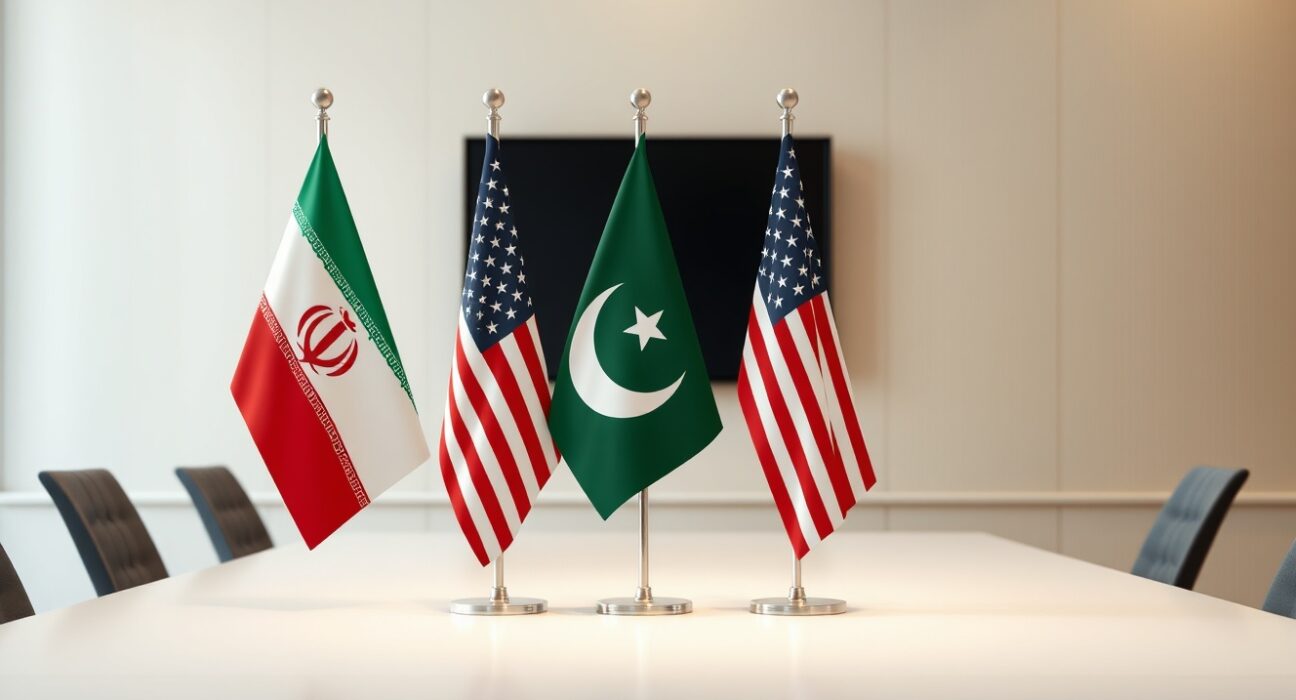
ISLAMABAD, PAKISTAN – In a stunning diplomatic development with global implications, Pakistan’s Prime Minister announced today that Iran, the United States, and their respective allies have agreed to an immediate ceasefire across all conflict zones, including Lebanon. This announcement potentially marks the most significant de-escalation in Middle Eastern tensions in decades. The Prime Minister enthusiastically welcomed this breakthrough, which follows months of behind-the-scenes negotiations involving multiple international actors. Consequently, this agreement could fundamentally reshape regional security dynamics and humanitarian conditions for millions of people affected by prolonged hostilities.
Ceasefire Agreement Details and Immediate Implications
The ceasefire agreement, announced from the Prime Minister’s office in Islamabad, mandates an immediate cessation of all hostilities. This comprehensive truce specifically includes conflict zones in Lebanon, where cross-border exchanges have recently intensified. Furthermore, the agreement extends to other regions where Iranian and US-aligned forces have been engaged. Diplomatic sources indicate the deal includes verifiable disengagement protocols. International observers will monitor compliance through established channels. The United Nations has reportedly been briefed on the technical arrangements. Regional governments are now assessing the operational details. This development follows a period of heightened diplomatic activity across several capitals. The agreement’s announcement triggered immediate market reactions globally. Oil prices dropped significantly in Asian trading sessions. Security analysts are now scrutinizing the agreement’s enforcement mechanisms.
Key components of the ceasefire include:
- Immediate halt to all offensive military operations
- Establishment of communication hotlines between military commands
- Withdrawal of forces to pre-defined positions along confrontation lines
- Humanitarian corridor access for aid organizations
- Third-party verification of compliance
Historical Context of Iran-US Relations and Pakistan’s Role
Pakistan’s emergence as a mediator represents a strategic diplomatic pivot. Historically, Islamabad has maintained complex relationships with both Tehran and Washington. Pakistan shares a 909-kilometer border with Iran. The country also maintains a long-standing security partnership with the United States. This unique positioning provided Pakistan with crucial diplomatic leverage. Previous mediation attempts by other nations faced significant obstacles. Oman and Switzerland previously facilitated indirect talks. However, those discussions often stalled on core security issues. The current breakthrough suggests new flexibility from both primary parties. Iran faces substantial domestic economic pressures. Similarly, the US administration seeks foreign policy achievements. Pakistan’s neutral diplomatic posture proved essential. The Prime Minister’s office coordinated multiple secret negotiation rounds. These talks reportedly occurred in neutral locations. Confidence-building measures preceded the final agreement. The diplomatic process demonstrates Pakistan’s growing regional influence.
Expert Analysis of the Diplomatic Landscape
Regional security experts highlight several factors enabling this breakthrough. First, changing geopolitical calculations created negotiation space. Second, economic pressures on all parties increased urgency. Third, Pakistan’s trusted intermediary status provided necessary guarantees. Dr. Amina Khan, Director at the Institute of Strategic Studies Islamabad, notes, “Pakistan’s bilateral relationships with both capitals provided unique mediation credentials that other nations lacked.” Additionally, the agreement’s timing coincides with broader international shifts. European powers have intensified diplomatic engagement. Gulf states have pursued regional détente policies. These parallel developments created favorable conditions. The ceasefire’s architecture reportedly includes dispute resolution mechanisms. These mechanisms will address potential violations. The agreement also references existing international law frameworks. This legal grounding strengthens its durability prospects. However, implementation challenges remain substantial. Historical precedents show ceasefire fragility. Yet, the current agreement appears more comprehensive than previous attempts.
Impact on Lebanon and Regional Stability
Lebanon stands as the most immediate beneficiary of this ceasefire agreement. The country has endured escalating cross-border hostilities. These conflicts have displaced thousands of civilians. Critical infrastructure has sustained repeated damage. The ceasefire enables humanitarian organizations to operate safely. Aid delivery to affected populations can now proceed unimpeded. The Lebanese government has cautiously welcomed the announcement. Prime Minister Najib Mikati stated relief at the development. However, Lebanese officials emphasize the need for permanent solutions. The agreement also affects other regional flashpoints. Syrian territory has witnessed proxy confrontations. Yemen’s conflict involves similar international dimensions. Iraqi sovereignty has faced challenges from external actors. The ceasefire could create positive spillover effects in these theaters. Regional economic cooperation may now become feasible. Energy projects previously stalled by security concerns could resume. Transportation corridors might reopen for regional trade. These developments would significantly boost Middle Eastern economies.
| Agreement | Year | Primary Parties | Duration | Mediator |
|---|---|---|---|---|
| Yemen Truce | 2022 | Houthis, Saudi Coalition | 6 months | UN |
| Syrian De-escalation | 2017 | Syria, Rebel Groups | Varied | Russia, Turkey, Iran |
| Gaza Ceasefire | 2021 | Israel, Hamas | 11 days | Egypt |
| Iran-US Ceasefire | 2025 | Iran, US, Allies | Immediate (Ongoing) | Pakistan |
International Reactions and Verification Mechanisms
Global responses to the ceasefire announcement have been predominantly positive. The United Nations Secretary-General praised the diplomatic achievement. He emphasized the agreement’s potential humanitarian benefits. European Union foreign policy chiefs welcomed the development cautiously. They stressed the importance of sustained implementation. Regional powers have expressed measured optimism. Saudi Arabia and the United Arab Emirates issued supportive statements. Israel’s government is monitoring the situation closely. Russian officials acknowledged Pakistan’s diplomatic success. Chinese media highlighted the agreement’s stability benefits. International financial markets reacted immediately. Global oil prices dropped over 4% initially. Defense sector stocks experienced downward pressure. Conversely, reconstruction and industrial stocks gained value. Verification mechanisms will determine the agreement’s long-term success. Monitoring will involve satellite surveillance. Ground observation teams will deploy to conflict zones. Communication channels will remain open continuously. Regular review meetings will assess compliance. These measures aim to build mutual confidence gradually.
Economic and Humanitarian Consequences
The ceasefire’s economic implications are substantial. Regional trade routes may reopen fully. Energy infrastructure projects could resume development. Foreign investment might return to stabilized areas. Humanitarian organizations can now access vulnerable populations. Refugee return processes may begin in some regions. Reconstruction efforts will require international coordination. The World Bank has indicated readiness to support recovery. International donor conferences are likely forthcoming. The agreement also affects global energy security. Oil transportation through critical waterways becomes more secure. Insurance premiums for regional shipping may decrease. These developments would lower global energy costs. However, implementation risks remain present. Hardline factions on all sides could attempt sabotage. Economic spoilers might benefit from continued instability. Therefore, sustained international engagement remains crucial. The agreement creates opportunities for broader diplomatic initiatives. Regional dialogue forums could now address other disputes. Multilateral cooperation on shared challenges becomes more feasible.
Conclusion
The ceasefire agreement announced by Pakistan’s Prime Minister represents a historic diplomatic breakthrough. This development potentially ends prolonged conflicts across multiple Middle Eastern regions. The agreement’s comprehensive nature distinguishes it from previous temporary truces. Successful implementation would bring immediate humanitarian relief to conflict-affected populations. Moreover, regional stability and economic cooperation would receive significant boosts. Pakistan’s mediation role demonstrates effective neutral diplomacy. The international community now faces the crucial task of supporting this fragile peace. Verification mechanisms must function transparently. Economic incentives should reinforce diplomatic achievements. Ultimately, this ceasefire agreement could become the foundation for lasting regional peace. The coming weeks will test the commitment of all signatory parties. The world watches as this diplomatic breakthrough unfolds across tense border regions.
FAQs
Q1: What exactly did Pakistan’s Prime Minister announce?
The Prime Minister announced that Iran, the United States, and their allies agreed to an immediate, comprehensive ceasefire covering all conflict zones, with specific mention of Lebanon.
Q2: How will this ceasefire be monitored and enforced?
The agreement includes third-party verification through international observers, satellite surveillance, ground monitoring teams, and established communication hotlines between military commands to address potential violations.
Q3: Why was Pakistan able to mediate this agreement?
Pakistan maintains diplomatic relationships with both Iran and the United States, shares a border with Iran, and has historical security ties with the US, providing unique credibility as a neutral intermediary.
Q4: What are the immediate effects on Lebanon?
The ceasefire should halt cross-border hostilities immediately, allow humanitarian aid delivery to proceed safely, and create conditions for displaced civilians to potentially return to their homes.
Q5: Could this ceasefire lead to a permanent peace agreement?
While the ceasefire creates essential conditions for further diplomacy, permanent peace would require addressing underlying political disputes through subsequent negotiations involving all regional stakeholders.
Disclaimer: The information provided is not trading advice, Bitcoinworld.co.in holds no liability for any investments made based on the information provided on this page. We strongly recommend independent research and/or consultation with a qualified professional before making any investment decisions.
