

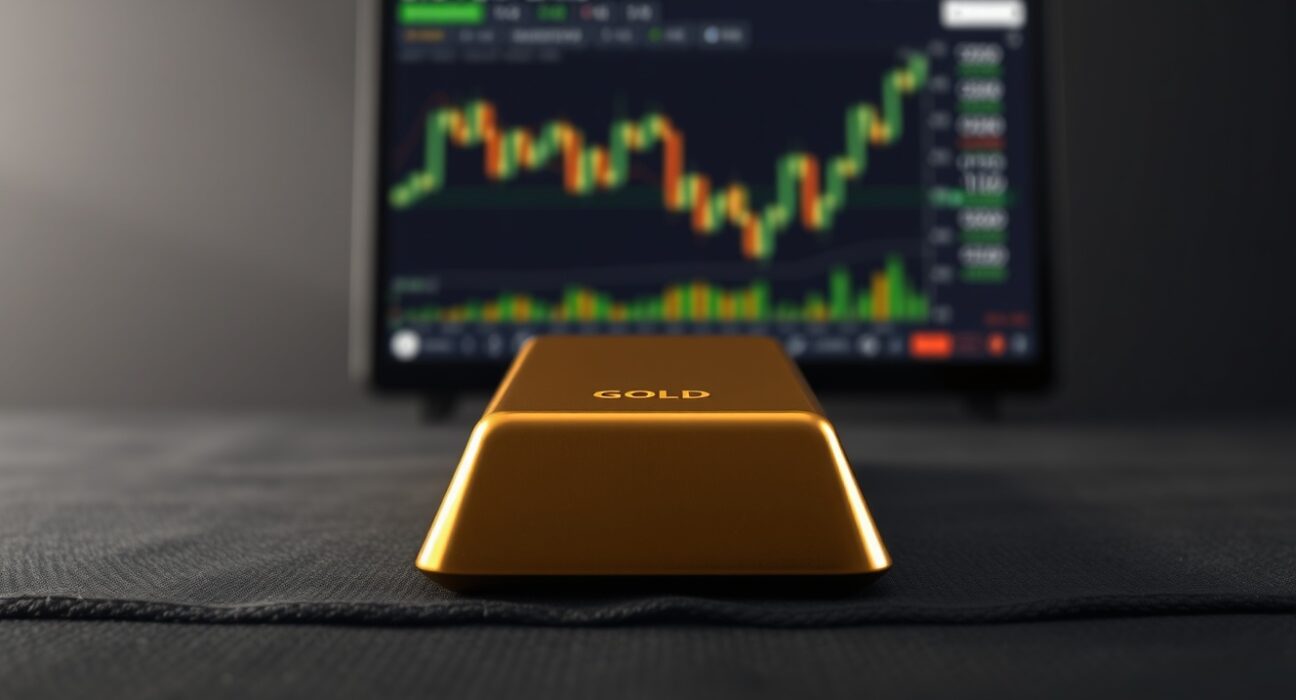
In a significant analysis capturing market attention, TD Securities presents a compelling dual narrative for gold: investors must contend with substantial carry costs in the near term, yet the firm projects a staggering long-term target of $5,000 per ounce. This forecast, emerging from the bank’s commodity research division, juxtaposes immediate financial friction against a transformative future valuation. Consequently, market participants are scrutinizing the underlying economic drivers, from central bank policies to geopolitical tensions, that could forge this ambitious path for the precious metal. The analysis arrives during a period of notable volatility across global asset classes, positioning gold once again as a critical barometer of financial stability and inflationary expectations.
Decoding the TD Securities Gold Price Forecast
TD Securities’ research provides a detailed framework for understanding gold’s trajectory. The term carry cost refers to the expenses associated with holding a physical asset like gold. These costs include storage fees, insurance, and the opportunity cost of capital—funds tied up in gold that could otherwise earn interest in a yielding asset. Currently, with interest rates at elevated levels in many major economies, these carry costs have become a significant headwind for gold investors. However, the firm’s analysts argue this pressure is temporary. They base their long-term $5,000 target on a confluence of structural macroeconomic shifts. Primarily, they anticipate a future cycle of monetary policy easing by central banks, which would reduce the opportunity cost of holding non-yielding gold. Simultaneously, persistent geopolitical risks and sustained demand from central banks themselves are expected to provide durable support.
Furthermore, the analysis integrates key market indicators. The performance of gold against real yields—bond yields adjusted for inflation—remains a cornerstone of their model. Historically, gold struggles when real yields are high and rising, as seen recently. TD’s forecast implicitly predicts a sustained decline in real yields over the coming years. Additionally, the bank monitors futures market positioning and physical flows into exchange-traded funds (ETFs). These data points help gauge investor sentiment and identify potential turning points. The table below summarizes the core pillars of their bullish thesis:
| Bullish Pillar | Description | Expected Impact |
|---|---|---|
| Monetary Policy Shift | Anticipated pivot from global central banks to lower interest rates. | Reduces opportunity cost, making gold more attractive. |
| Geopolitical Fragmentation | Ongoing tensions and de-dollarization trends among nations. | Boosts safe-haven demand and central bank buying. |
| Inflation Resilience | Expectation that inflation remains structurally above pre-pandemic norms. | Enhances gold’s appeal as a long-term store of value. |
| Technical Breakout | A sustained move above key historical resistance levels. | Could trigger algorithmic and momentum-driven buying. |
The Immediate Challenge of Elevated Carry Costs
Investors currently face a tangible financial hurdle. The high carry cost environment directly results from aggressive monetary tightening by the Federal Reserve and other central banks. For instance, when secure government bonds offer yields above 4-5%, the implicit cost of holding a zero-yield asset like gold increases substantially. This dynamic has pressured gold prices and led to outflows from gold-backed ETFs throughout much of the recent hiking cycle. Moreover, storage costs for physical bullion in vaults have also crept higher with general inflation. Therefore, the near-term path for gold requires navigating this yield-driven landscape. TD Securities suggests that only a clear signal of a definitive end to the rate-hiking cycle, followed by expectations of cuts, will alleviate this pressure. Market participants are closely watching economic data, particularly inflation prints and employment figures, for clues on this pivotal turn.
Expert Insights on Market Mechanics
Commodity strategists emphasize the importance of forward-looking markets. While current carry costs are high, futures and options markets already price in future expectations. The analysis from TD Securities likely incorporates the forward curve for interest rates, which may indicate lower yields ahead. Additionally, other institutions have published related research. For example, the World Gold Council consistently reports on record levels of central bank purchases, a trend that provides a solid demand floor irrespective of financial costs. Similarly, mining industry analysts highlight constrained supply growth, as major new gold discoveries have become rarer and more expensive to develop. These factors collectively create a complex but ultimately supportive backdrop for the metal’s long-term valuation.
Historical Context and the Road to $5,000
A $5,000 price target represents an unprecedented nominal high for gold. To contextualize this forecast, it is useful to examine past bull markets. The 1970s bull run, driven by oil shocks and high inflation, saw gold rise from $35 to a peak near $850. The post-2000 bull market, fueled by easy monetary policy and the Global Financial Crisis, took gold from around $250 to over $1,900. Each period featured a fundamental loss of confidence in fiat currency stability and a search for tangible assets. Today’s environment shares similarities, including high debt levels, geopolitical uncertainty, and questions about the long-term value of paper currencies. However, the scale of the projected move requires a correspondingly large catalyst or set of catalysts. Potential drivers could include a loss of faith in major sovereign bonds, a significant escalation in global conflict, or a coordinated shift by central banks to dramatically increase their gold reserves as a strategic monetary asset.
Investors should also consider the timeline. TD Securities’ analysis is not a prediction for the next quarter, but a strategic outlook likely spanning several years. The journey will probably not be linear. It will involve periods of consolidation and volatility, especially as markets react to shifting economic data. Key technical levels, such as the all-time nominal high near $2,100 per ounce, will serve as critical psychological and resistance benchmarks. A decisive and sustained break above such levels could accelerate momentum, drawing in a broader universe of institutional and retail investors who had previously remained on the sidelines.
Conclusion
TD Securities’ gold price forecast presents a clear, two-stage narrative for the precious metal. In the immediate term, high carry costs anchored by elevated interest rates present a continued challenge for gold’s performance. Nevertheless, the firm’s long-term outlook remains profoundly bullish, citing a future shift in monetary policy, enduring geopolitical tensions, and structural demand as catalysts for a potential rise toward $5,000 per ounce. This analysis underscores gold’s unique role as both a tactical hedge and a strategic asset in a portfolio. For investors, the path forward involves balancing the short-term financial friction against the potential for transformative long-term gains, all while monitoring the evolving macroeconomic signals that will determine the validity of this ambitious gold price forecast.
FAQs
Q1: What are ‘carry costs’ for gold?
Carry costs are the total expenses of holding physical gold, including storage, insurance, and the opportunity cost of not investing the capital in an interest-bearing asset. Currently, high interest rates make this opportunity cost particularly significant.
Q2: Why does TD Securities think gold can reach $5,000?
Their forecast is based on expectations of future interest rate cuts reducing carry costs, sustained central bank buying, ongoing geopolitical uncertainty, and gold’s historical role as a hedge against currency devaluation and inflation.
Q3: How do rising interest rates typically affect gold prices?
Generally, rising interest rates increase the opportunity cost of holding non-yielding gold and can strengthen the US dollar, putting downward pressure on gold prices, which are dollar-denominated.
Q4: What role do central banks play in the gold market today?
Central banks have been net buyers of gold for over a decade, led by institutions in emerging markets. This consistent, price-insensitive demand provides a strong foundational support level for the gold market.
Q5: Is investing in gold a good idea if interest rates remain high?
While high rates present a headwind, gold can still serve as a portfolio diversifier and hedge against unforeseen geopolitical or financial shocks. Many investors allocate a small percentage to gold regardless of the interest rate cycle for this risk-management purpose.
Disclaimer: The information provided is not trading advice, Bitcoinworld.co.in holds no liability for any investments made based on the information provided on this page. We strongly recommend independent research and/or consultation with a qualified professional before making any investment decisions.
