

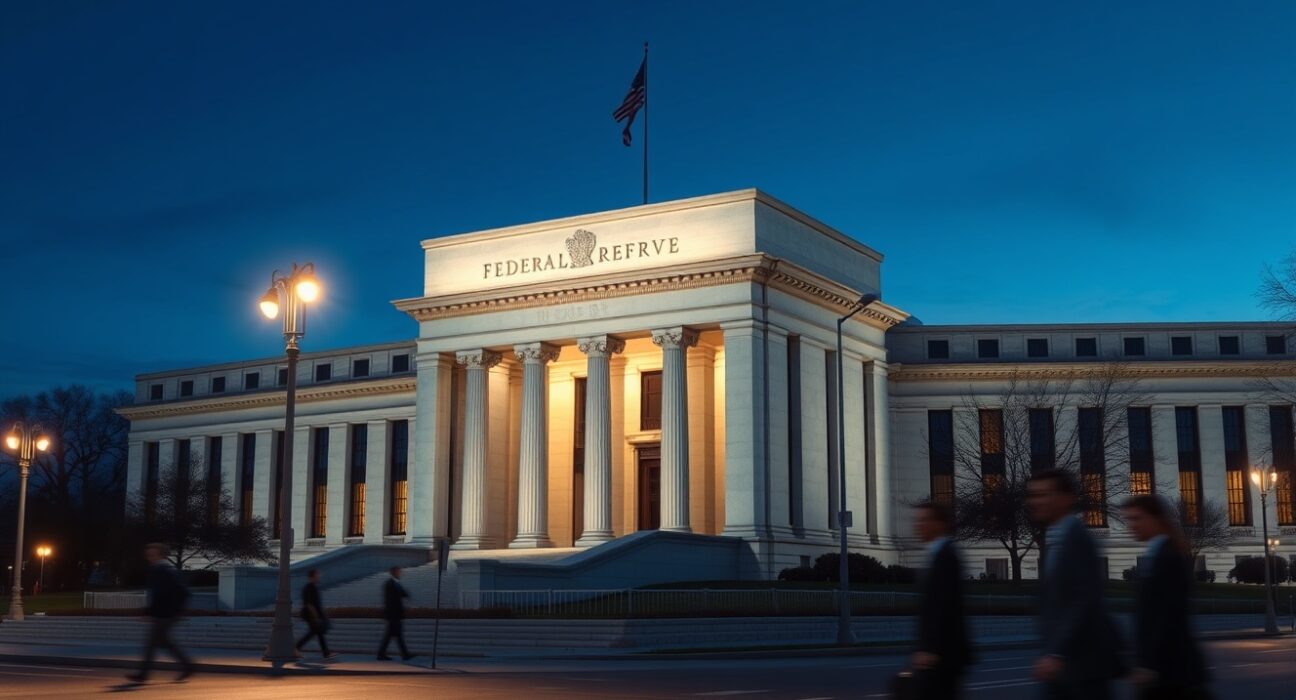
The recently released Federal Reserve meeting minutes provide critical transparency into the central bank’s March decision to hold interest rates steady, revealing a persistently hawkish policy stance amid ongoing inflation concerns. Market participants and economists globally are scrutinizing these documents for clues about the future path of monetary policy. Consequently, the minutes underscore the Fed’s data-dependent approach and its commitment to restoring price stability, even as it pauses its historic tightening cycle. This analysis delves into the key takeaways, market implications, and expert interpretations of this pivotal document.
Decoding the Fed Minutes on the March Hold
The Federal Open Market Committee (FOMC) unanimously voted to maintain the target federal funds rate at its current elevated level during its March meeting. The detailed minutes, however, paint a more nuanced picture than the simple “hold” decision suggests. Committee members expressed significant concern about the lack of further progress on inflation in recent months. They noted that incoming data had not increased their confidence that inflation was moving sustainably toward the 2% target. This language indicates a high bar for considering rate cuts in the near term.
Furthermore, the discussion revealed a focus on balanced risks. Participants acknowledged that the risks to achieving the Fed’s employment and inflation goals had moved toward better balance over the past year. However, they emphasized an unwavering focus on the inflation mandate. The minutes highlighted ongoing debates about the persistence of services inflation and tight labor market conditions. Several members pointed to continued wage growth and robust job gains as factors that could sustain inflationary pressures.
Key Data Points Influencing the Decision
The committee’s deliberation relied heavily on specific economic indicators. Analysts identify several data series that shaped the hawkish tone:
- Core PCE Inflation: Stubbornly above the 2% target, showing limited disinflation momentum.
- Employment Cost Index (ECI): Indicative of sustained wage pressures.
- Job Openings (JOLTS): Remaining elevated, signaling tight labor conditions.
- Consumer Spending: Demonstrating resilience despite higher rates.
The Hawkish Underpinnings of Monetary Policy
A hawkish monetary policy outlook prioritizes combating inflation over stimulating economic growth. The March minutes confirm this remains the Fed’s dominant framework. References to the potential need to maintain restrictive policy for longer than previously anticipated appear throughout the document. This stance directly responds to fears of inflation becoming entrenched. The committee explicitly dismissed premature easing, which could undermine progress on price stability.
Notably, the discussion included the concept of “higher for longer” interest rates. Some participants even mentioned the possibility that the current policy stance might not be sufficiently restrictive. This suggests openness to additional rate hikes if inflation reaccelerates, though it was not the baseline expectation. The minutes also detailed conversations about slowing the pace of the Fed’s balance sheet runoff, known as quantitative tightening (QT). This potential adjustment aims to manage liquidity without signaling a shift in the overall restrictive stance.
Expert Analysis and Market Interpretation
Financial market analysts immediately parsed the minutes for directional signals. “The minutes solidify the narrative that the Fed is in no rush to cut rates,” noted a chief economist from a major investment bank. “The emphasis on a lack of confidence in the inflation trajectory is the key takeaway. It sets a high threshold for policy easing.” Futures markets subsequently priced in a later start date for the first rate cut, pushing expectations further into the future. Treasury yields edged higher, particularly on the short end of the curve, reflecting the repricing of monetary policy expectations.
Conversely, equity markets exhibited volatility. Sectors sensitive to interest rates, like technology and real estate, faced pressure. The U.S. dollar strengthened on the prospect of sustained higher rates relative to other central banks. This global financial impact underscores the Fed’s pivotal role. International policymakers now must account for a prolonged period of tight U.S. monetary conditions, which affects capital flows and exchange rates worldwide.
Historical Context and the Path Forward
The current policy phase follows the most aggressive hiking cycle since the 1980s. To appreciate the March hold, one must consider the rapid rate increases deployed to combat post-pandemic inflation. The Fed raised the federal funds rate from near zero to over 5% within a short timeframe. The decision to pause reflects a shift from automatic hiking to a more deliberate, meeting-by-meeting assessment. This period mirrors past cycles where the Fed held rates steady to observe lagged economic effects.
Looking ahead, the minutes outline a strictly data-dependent pathway. The committee will assess incoming information on the labor market, inflation pressures, and financial conditions. Upcoming Consumer Price Index (CPI) and jobs reports will carry immense weight. The Fed’s stated goal remains achieving a soft landing—curbing inflation without triggering a severe recession. However, the minutes acknowledge the difficulty and uncertainty of this task. Risks remain skewed toward prolonged inflation or an unexpected economic downturn.
| Period | Policy Action | Key Communication |
|---|---|---|
| 2022-2023 | Aggressive Rate Hikes | Commitment to restoring price stability. |
| Late 2023 | Pivot to Data-Dependence | Signaled end of hiking cycle, opened door to future cuts. |
| March 2024 Meeting | Rate Hold | Highlighted lack of progress on inflation, hawkish hold. |
| Post-March Guidance | Higher-for-Longer | Minutes reveal patience, no pre-commitment to cuts. |
Conclusion
The Federal Reserve minutes from the March meeting deliver a clear message: the fight against inflation is not over. The decision to hold rates steady masks a fundamentally hawkish outlook focused on ensuring price stability. Investors and policymakers must now adjust to a reality of sustained higher interest rates. The Fed’s patient, data-reliant approach will guide the economy through a delicate phase. Ultimately, these minutes serve as a crucial roadmap, emphasizing that the path to rate cuts will require consistent, confirming evidence that inflation is definitively tamed.
FAQs
Q1: What is the main takeaway from the latest Fed minutes?
The primary takeaway is the Federal Reserve’s continued hawkish stance. Despite holding rates steady in March, the minutes show deep concern over persistent inflation and a high bar for considering future interest rate cuts.
Q2: Why did the Fed decide to hold rates in March?
The Fed held rates because, while inflation remains above target, aggressive prior hikes are still working through the economy. The pause allows the committee more time to assess incoming data without making a premature policy shift.
Q3: What does a “hawkish outlook” mean for consumers and businesses?
A hawkish outlook means borrowing costs for mortgages, auto loans, and business credit will likely remain elevated for an extended period. This cools demand and economic growth but aims to bring down inflation over the long term.
Q4: When are the first Fed rate cuts now expected?
Based on the minutes, market expectations for the first rate cut have been pushed later into the year. Most analysts now foresee cuts beginning in the fourth quarter or later, contingent on clear evidence of cooling inflation.
Q5: How do the Fed minutes impact the stock market and bonds?
The hawkish tone typically pressures growth-oriented stocks and supports shorter-term bond yields. It leads to a repricing of assets based on higher expected interest rates for a longer duration, increasing market volatility.
Disclaimer: The information provided is not trading advice, Bitcoinworld.co.in holds no liability for any investments made based on the information provided on this page. We strongly recommend independent research and/or consultation with a qualified professional before making any investment decisions.
