

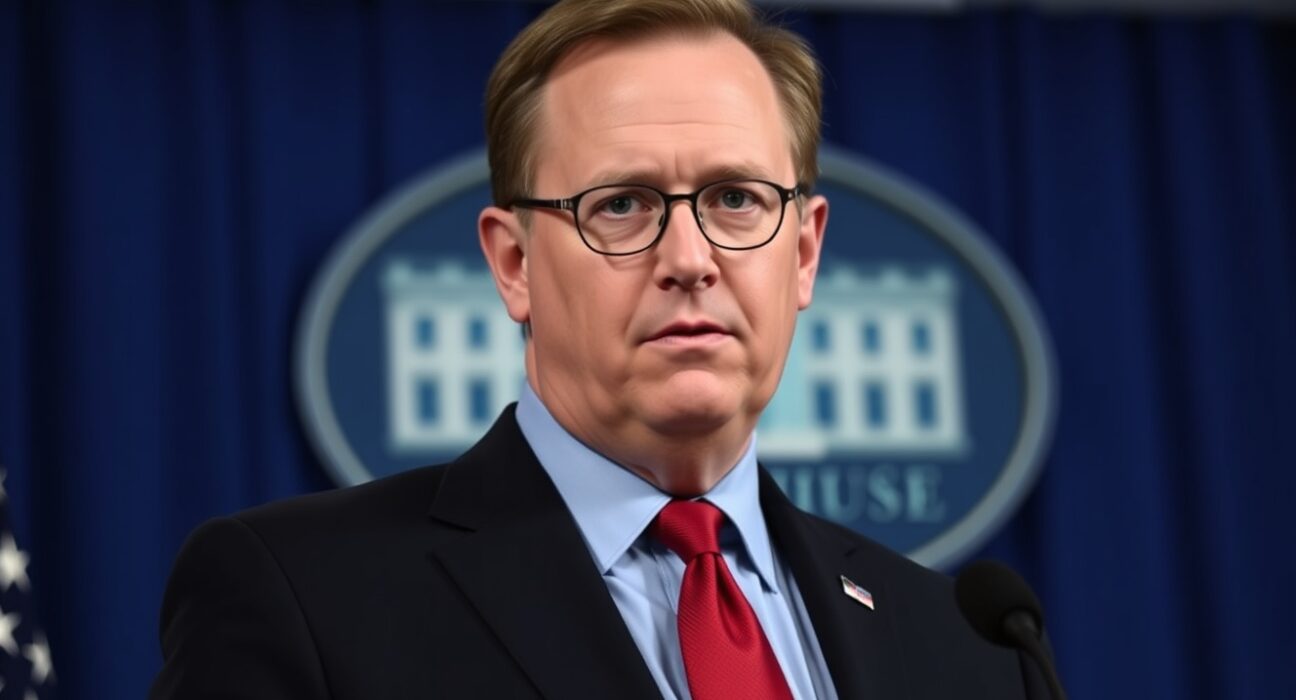
WASHINGTON, D.C. – March 15, 2025 – In a significant statement with broad implications for markets and monetary policy, National Economic Council (NEC) Chairman Kevin Hassett has publicly advocated for lower interest rates. This declaration from a key White House economic advisor arrives during a period of heightened scrutiny over the Federal Reserve’s path. Consequently, analysts are now closely examining the potential economic and political ramifications of this call for more accommodative policy.
Interest Rates and the NEC Chairman’s Stance
Kevin Hassett, leading the White House National Economic Council, has explicitly stated that current interest rates should be lower. This position directly engages with the ongoing debate about the optimal stance of U.S. monetary policy. Furthermore, his remarks provide a clear window into the administration’s economic priorities. The Federal Reserve, however, operates independently in setting the federal funds rate. Therefore, public commentary from executive branch officials often carries significant symbolic weight. Historically, such statements can influence market expectations and signal potential policy friction.
Chairman Hassett, a respected economist with a PhD from the University of Pennsylvania, brings substantial expertise to this discussion. His career includes tenure as a senior advisor at the Federal Reserve Board and chairman of the Council of Economic Advisers. This background informs his current analysis of macroeconomic conditions. For instance, he likely evaluates data on inflation, employment, and GDP growth. Currently, the core Personal Consumption Expenditures (PCE) index, the Fed’s preferred inflation gauge, shows a notable deceleration. Simultaneously, certain labor market indicators suggest cooling from previous highs.
The Economic Context for Lower Rates
Several key economic factors underpin arguments for a more dovish monetary policy. First, inflation has retreated substantially from its peak. The Consumer Price Index (CPI) increased by only 2.1% year-over-year in the latest reading. Second, consumer spending growth has moderated. Retail sales data for the previous quarter showed a sequential decline. Third, global economic headwinds persist, particularly from major trading partners in Europe and Asia. These conditions collectively reduce the rationale for restrictive policy.
Monetary policy operates with a lag, meaning today’s rate decisions affect the economy months later. The Federal Reserve raised rates aggressively to combat inflation. Now, many analysts argue the full impact of those hikes is still unfolding. High borrowing costs affect several sectors profoundly:
- Housing Market: Mortgage rates near 6.5% continue to suppress affordability and sales volume.
- Business Investment: Capital expenditure plans often stall when financing costs rise.
- Government Debt Servicing: Higher yields increase the federal government’s interest payments significantly.
Expert Analysis and Historical Precedent
Economists frequently reference the “Taylor Rule,” a guideline suggesting appropriate interest rates based on inflation and output gaps. Recent calculations indicate the rule currently prescribes a lower federal funds rate. Additionally, former Fed Chair Ben Bernanke has emphasized the risks of overtightening. He notes that premature easing is easier to correct than the deep recession caused by excessive restraint.
The following table compares key economic indicators from the peak inflation period to the present, highlighting the changed landscape:
| Indicator | Peak (2023) | Current (2025) | Change |
|---|---|---|---|
| CPI Inflation (YoY) | 9.1% | 2.1% | -7.0% |
| Fed Funds Rate | 0.25% | 5.25% | +5.00% |
| Unemployment Rate | 3.5% | 4.1% | +0.6% |
| 10-Year Treasury Yield | 4.0% | 4.3% | +0.3% |
Federal Reserve Independence and Political Dynamics
The Federal Reserve maintains its operational independence, a cornerstone of U.S. economic policy for decades. However, public statements from administration officials like Chairman Hassett can create perceived pressure. Fed Chair Jerome Powell consistently emphasizes data dependence in decision-making. The Federal Open Market Committee (FOMC) meets eight times yearly to set policy. Their next meeting will scrutinize the latest employment and inflation reports intensely.
Market participants immediately reacted to Hassett’s comments. Treasury yields dipped slightly across the curve, particularly in the two-to-five-year segment. Equity futures pointed to a higher open, with rate-sensitive sectors like technology and real estate showing strength. The U.S. dollar index (DXY) softened against a basket of major currencies. These movements reflect traders pricing in a marginally higher probability of rate cuts in the coming quarters.
Potential Impacts on Financial Markets and Cryptocurrency
Lower interest rates typically create a favorable environment for risk assets. For cryptocurrency markets, this dynamic is particularly pronounced. Bitcoin and other digital assets often behave as non-correlated risk-on investments. A less restrictive monetary policy reduces the opportunity cost of holding non-yielding assets. Moreover, it enhances liquidity in the financial system, which can flow into alternative investments.
Historical data shows a correlation between Fed easing cycles and crypto market rallies. For example, the 2020-2021 period of near-zero rates coincided with a major bull market. Key mechanisms include:
- Weaker Dollar: Lower rates can depress the dollar, boosting dollar-denominated asset prices.
- Increased Liquidity: More capital searches for yield in emerging asset classes.
- Improved Risk Sentiment: Investors become more willing to allocate to volatile assets.
However, the relationship is not perfectly mechanical. Regulatory developments and technological adoption remain primary drivers. Still, monetary policy sets a crucial backdrop for capital allocation decisions across all markets.
Conclusion
NEC Chairman Kevin Hassett’s call for lower interest rates highlights a critical juncture in U.S. economic policy. With inflation receding and growth moderating, the debate is shifting from restraint to accommodation. The Federal Reserve faces a complex balancing act to sustain expansion without reigniting price pressures. Chairman Hassett’s expertise and position give his analysis considerable weight in this discussion. Ultimately, the trajectory of interest rates will profoundly influence everything from mortgage costs to cryptocurrency valuations in the months ahead.
FAQs
Q1: What is the National Economic Council (NEC), and what does its chairman do?
The National Economic Council is a White House office that coordinates economic policy across federal agencies. The NEC chairman, currently Kevin Hassett, serves as a principal advisor to the President on domestic and global economic issues, facilitating policy development and implementation.
Q2: Can the White House directly lower interest rates?
No. The Federal Reserve operates independently to set monetary policy, including the federal funds rate. The White House can influence through appointments and public commentary, but the FOMC makes final rate decisions based on its dual mandate of price stability and maximum employment.
Q3: Why might lower interest rates be considered necessary now?
Proponents argue that with inflation nearing the Fed’s 2% target and signs of economic softening, high rates risk unnecessarily slowing growth or causing a recession. Lower rates could support continued expansion, ease debt servicing burdens, and stimulate investment.
Q4: How do interest rates affect the average consumer?
Interest rates directly influence borrowing costs for mortgages, auto loans, and credit cards. They also affect savings account yields. Lower rates reduce borrowing costs but also decrease returns on savings, impacting household budgets and spending decisions.
Q5: What is the typical relationship between interest rates and cryptocurrency markets?
Cryptocurrencies often react positively to lower interest rate environments. Reduced rates decrease the yield on traditional safe assets like bonds, making non-yielding, speculative assets like Bitcoin relatively more attractive. Additionally, easier monetary policy increases system-wide liquidity, which can flow into digital asset markets.
Disclaimer: The information provided is not trading advice, Bitcoinworld.co.in holds no liability for any investments made based on the information provided on this page. We strongly recommend independent research and/or consultation with a qualified professional before making any investment decisions.
