

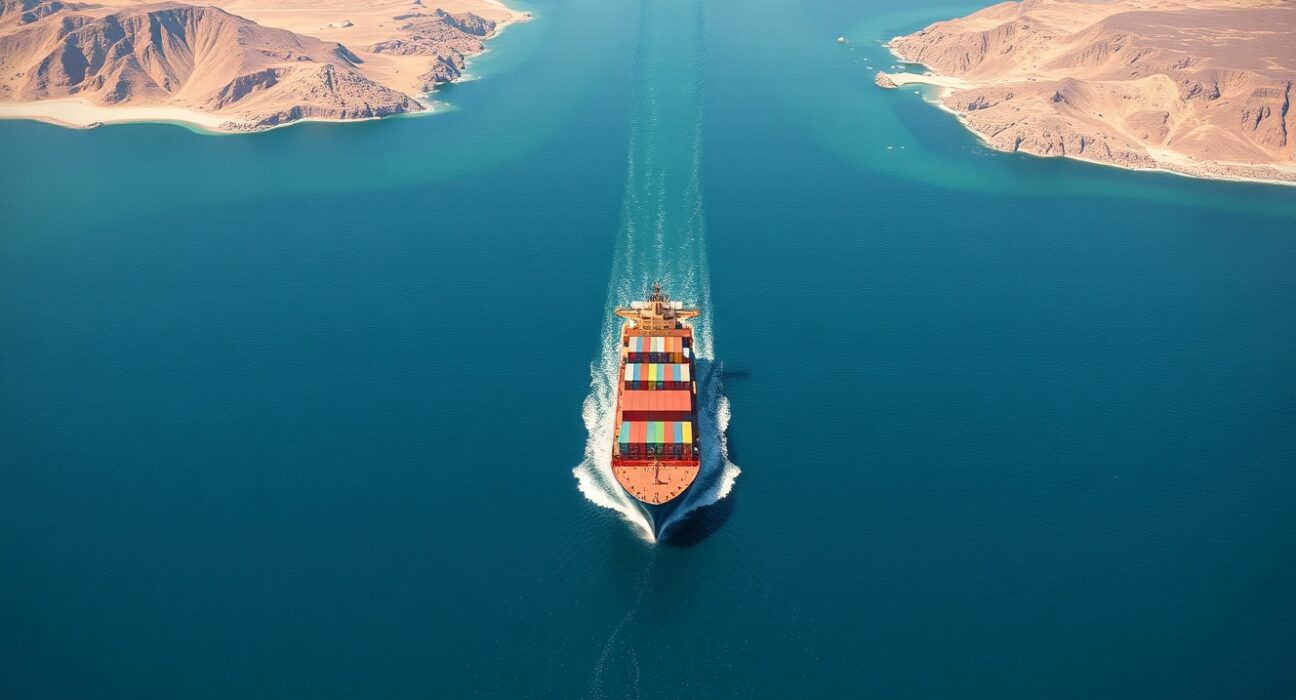
BERLIN, Germany – In a significant development for European security policy, German Chancellor Friedrich Merz has declared his conditional support for a potential maritime mission in the Strait of Hormuz. Chancellor Merz stated he would back such naval operations if they receive proper international authorization. This statement arrives during a period of heightened geopolitical friction surrounding this crucial global oil transit route. Consequently, his remarks carry substantial weight for NATO allies and global energy markets.
Analyzing the Strait of Hormuz Mission Proposal
The concept of a European-led maritime mission in the Strait of Hormuz is not new. However, Chancellor Merz’s explicit support marks a pivotal moment for German foreign policy. Historically, Germany has approached military deployments in the Middle East with pronounced caution. This stance stems from its post-World War II political culture. Therefore, Merz’s position signals a potential strategic shift. It aligns Germany more closely with French and British security initiatives in the Persian Gulf.
Such a mission would primarily aim to ensure freedom of navigation and protect commercial shipping. The strait serves as a chokepoint for approximately 21% of global petroleum consumption. Any disruption there immediately impacts oil prices worldwide. Past incidents, including tanker seizures and attacks, underscore the persistent volatility. A coordinated naval presence seeks to deter these threats through visible patrols and surveillance.
The Geopolitical Context of Persian Gulf Security
Chancellor Merz’s comments cannot be viewed in isolation. They respond directly to an evolving and complex security landscape. Regional tensions, particularly involving Iran and its nuclear program, remain a primary driver. Furthermore, the withdrawal of certain U.S. naval assets has created a perceived power vacuum. European nations consequently feel increased pressure to contribute to regional stability. This mission would represent a tangible commitment to that goal.
The requirement for “authorization” that Merz cited is crucial. It likely refers to mandates from bodies like the United Nations or the European Union. Alternatively, it could involve a formal request from coastal states. This legalistic precondition reflects Germany’s steadfast commitment to a rules-based international order. It also serves as a diplomatic safeguard, ensuring any deployment has multilateral legitimacy.
Expert Analysis on Germany’s Strategic Calculus
Security analysts point to several factors behind Germany’s calculated position. First, as Europe’s largest economy, Germany has a direct stake in secure energy supplies. Second, supporting the mission strengthens Berlin’s role as a reliable NATO partner. Finally, it offers a channel to exert diplomatic influence in the Middle East. Dr. Lena Schmidt, a senior fellow at the German Institute for International and Security Affairs, notes, “This is a classic case of civilian power evolving. Germany is signaling readiness for proactive security contributions, but strictly within multilateral frameworks.”
The domestic political reaction will be a key factor to watch. The German Bundestag retains tight control over military deployments. Any mission would require a parliamentary mandate. Past debates on similar operations have been contentious. They involve balancing international responsibilities against public aversion to foreign military entanglements.
Potential Impacts on Global Trade and Energy Markets
The stability of the Strait of Hormuz is a cornerstone of the global economy. A formal European maritime mission, with German participation, would send a strong market signal. It would indicate a collective will to protect this artery. For traders and energy executives, such predictability is invaluable. The following table outlines key statistics that highlight the strait’s critical importance:
| Metric | Volume/Figure | Global Share |
|---|---|---|
| Oil Flow (2024) | 20.7 million barrels per day | ~21% |
| Liquefied Natural Gas (LNG) | ~20% of global trade | ~20% |
| Transit Width at Narrowest | 21 nautical miles | N/A |
| Flag States Using Route | Over 50 countries | N/A |
Investors and supply chain managers monitor political statements like Merz’s closely. They assess the risk premium associated with shipping insurance in the region. A robust international naval presence typically correlates with lower risk and cost. Therefore, German support could have a tangible, calming effect on energy security concerns in the long term.
Conclusion
Chancellor Friedrich Merz’s conditional endorsement of a Strait of Hormuz mission is a strategically significant declaration. It carefully navigates Germany’s historical caution and its modern responsibilities as a leading European power. The emphasis on prior authorization underscores a continued commitment to international law. Ultimately, this position could help solidify a European-led framework for Persian Gulf maritime security. As tensions persist, such multilateral initiatives remain vital for protecting the uninterrupted flow of energy and commerce upon which the global economy depends.
FAQs
Q1: What exactly did German Chancellor Merz say about the Strait of Hormuz?
Chancellor Friedrich Merz stated he would support maritime operations in the Strait of Hormuz if such a mission receives proper international authorization from bodies like the UN or EU.
Q2: Why is the Strait of Hormuz so important for global security?
The Strait of Hormuz is a critical maritime chokepoint through which about 21% of the world’s oil consumption passes. Its security is directly linked to global energy price stability and supply chain continuity.
Q3: Has Germany participated in similar missions in the region before?
Yes, Germany previously contributed to the European-led Operation AGENOR (EMASOH) in the Strait of Hormuz, which focused on surveillance and de-escalation, reflecting its cautious, framework-based approach.
Q4: What does “if authorized” mean in this context?
This condition refers to the need for a legal mandate, such as a United Nations Security Council resolution, a European Council decision, or an official request from affected coastal states, before Germany would deploy naval assets.
Q5: How might this affect Germany’s relationship with Iran?
Such a mission, aimed at protecting shipping from all nations, would likely be viewed with suspicion by Tehran. It requires delicate diplomacy to avoid escalating tensions while upholding the principle of freedom of navigation.
Disclaimer: The information provided is not trading advice, Bitcoinworld.co.in holds no liability for any investments made based on the information provided on this page. We strongly recommend independent research and/or consultation with a qualified professional before making any investment decisions.
