

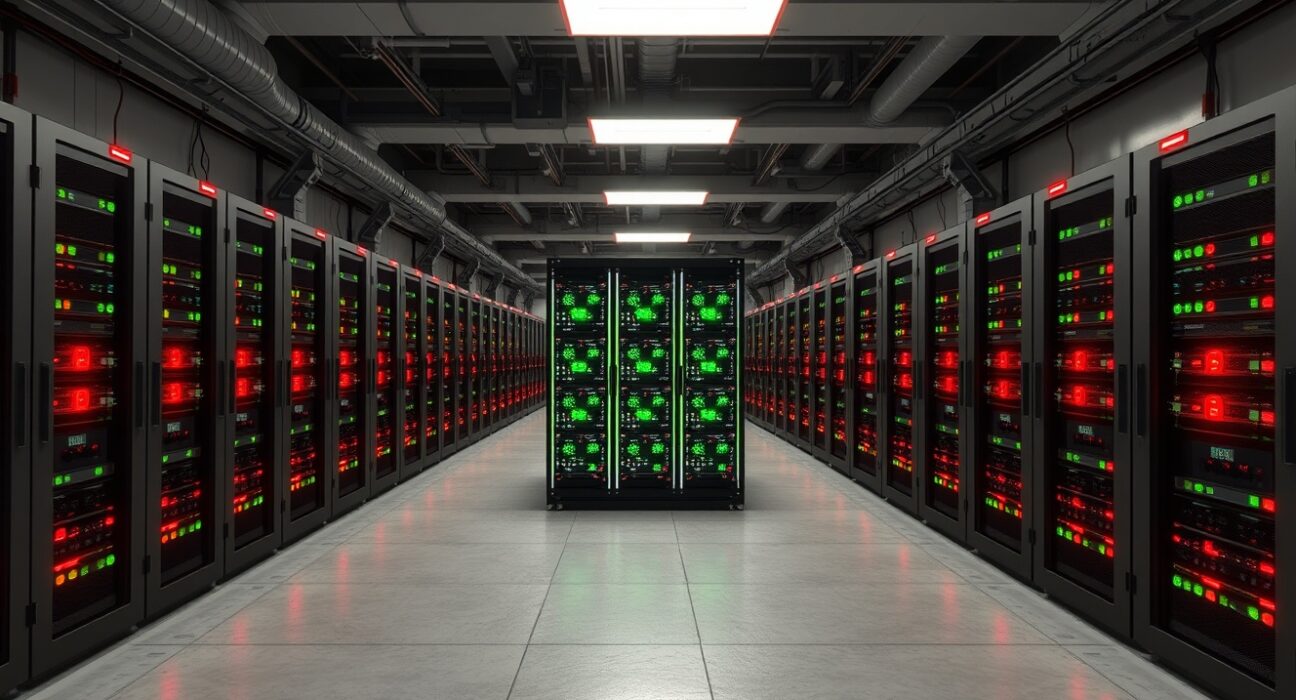
MOSCOW, RUSSIA – March 2025: The Russian Ministry of Energy has definitively denied circulating reports about plans to prohibit cryptocurrency mining operations in Moscow and surrounding regions. This clarification comes amid ongoing global debates about digital asset regulation and energy consumption. According to official statements, Moscow authorities have not submitted any formal request for such a ban, and the established procedure requiring gubernatorial initiation remains unfulfilled. Consequently, the current regulatory status for crypto mining in Russia’s capital region remains unchanged.
Russia Crypto Mining Ban: Official Clarification and Procedure
The Ministry of Energy’s statement directly addresses recent media speculation about potential restrictions. Specifically, the ministry emphasized that regional governors must formally initiate prohibition procedures through official channels. Furthermore, Moscow’s administration has not pursued this regulatory path. This procedural requirement stems from Russia’s 2022 federal law “On Digital Financial Assets,” which established baseline cryptocurrency regulations while delegating certain operational authorities to regional governments. The ministry’s clarification therefore maintains regulatory stability for existing mining operations.
Russia has emerged as a significant global player in cryptocurrency mining following China’s 2021 mining ban. The country offers several competitive advantages for mining operations:
- Abundant Energy Resources: Russia possesses surplus electricity generation capacity, particularly in regions with hydroelectric and nuclear power
- Cold Climate: Naturally low temperatures reduce cooling costs for mining equipment
- Established Infrastructure: Existing industrial facilities and technical expertise support mining operations
- Regulatory Certainty: The 2022 law provides clearer operating guidelines than many jurisdictions
Cryptocurrency Mining Regulation in Russia
Russia’s approach to cryptocurrency regulation has evolved significantly since Bitcoin’s emergence. Initially, the government expressed skepticism about digital assets. However, economic considerations gradually shifted this perspective. The Central Bank of Russia and the Ministry of Finance developed competing regulatory frameworks before reaching compromise legislation. This legislative process culminated in the 2022 digital assets law, which legalized cryptocurrency mining while restricting domestic crypto payments.
The current regulatory framework establishes several key parameters for mining operations:
| Regulatory Aspect | Current Status | Governing Authority |
|---|---|---|
| Mining Legality | Fully Legal | Federal Law |
| Energy Consumption | Subject to Regional Oversight | Ministry of Energy |
| Taxation | Standard Corporate Rates Apply | Federal Tax Service |
| Equipment Import | Customs Duties Apply | Federal Customs Service |
Energy Infrastructure and Mining Economics
Russia’s energy infrastructure plays a crucial role in cryptocurrency mining economics. The country generates approximately 1,100 terawatt-hours of electricity annually, with significant surplus capacity in specific regions. Industrial-scale mining operations have concentrated in areas with abundant hydroelectric power, including Irkutsk Oblast and Krasnoyarsk Krai. These regions offer electricity costs as low as $0.03-$0.04 per kilowatt-hour, creating substantial competitive advantages. Meanwhile, Moscow’s higher energy costs and grid priorities make it less attractive for large-scale mining, though smaller operations persist.
The Ministry of Energy monitors electricity consumption patterns nationwide. Consequently, it evaluates mining’s impact on regional grids. However, the ministry has not identified Moscow’s mining operations as creating systemic grid stress. This assessment contrasts with concerns in other regions where mining has strained local infrastructure. Therefore, the technical justification for a Moscow-specific ban appears limited according to current energy data.
Global Context and Comparative Analysis
Russia’s cryptocurrency mining policy develops within a complex global regulatory landscape. Different nations have adopted varied approaches to digital asset mining regulation:
- China: Implemented a comprehensive mining ban in 2021, citing financial risks and energy concerns
- United States: Maintains a patchwork of state-level regulations with federal oversight developing gradually
- Kazakhstan: Initially welcomed mining operations but later imposed restrictions during energy shortages
- Canada: Embraces mining in provinces with renewable energy surpluses while implementing environmental standards
Russia’s position balances economic opportunity with regulatory oversight. The country seeks to capture value from the cryptocurrency ecosystem while maintaining financial system stability. This approach recognizes mining’s potential for technological development and foreign exchange earnings. Simultaneously, regulators monitor energy consumption and financial system implications. The Moscow mining discussion reflects this balancing act between opportunity and oversight.
Technological Development and Industrial Policy
Cryptocurrency mining contributes to Russia’s broader technological development strategy. The industry drives demand for high-performance computing equipment and specialized technical skills. Additionally, mining operations support data center infrastructure development. This infrastructure has applications beyond cryptocurrency, including artificial intelligence research and scientific computing. Therefore, policymakers consider mining’s role within Russia’s digital economy transformation.
The Russian Association of Cryptoeconomics and Blockchain represents industry interests in policy discussions. Association representatives emphasize mining’s economic contributions, including job creation and technology transfer. They advocate for stable regulatory frameworks that encourage investment while addressing legitimate concerns. The Ministry of Energy’s recent clarification supports this stability by confirming existing policies absent formal change proposals.
Conclusion
The Russian Ministry of Energy has clarified that no plans exist to ban cryptocurrency mining in Moscow, confirming that established procedures for such restrictions remain uninitiated. This statement provides regulatory certainty for mining operations while highlighting Russia’s evolving digital asset framework. The country continues balancing cryptocurrency mining’s economic opportunities with energy and regulatory considerations. As global digital asset policies develop, Russia’s approach will likely influence regional cryptocurrency mining dynamics and international regulatory discussions.
FAQs
Q1: What exactly did the Russian Ministry of Energy announce about cryptocurrency mining?
The Ministry of Energy denied reports about plans to ban cryptocurrency mining in Moscow. It clarified that no official request for such a ban exists from Moscow authorities, and the established procedure requiring gubernatorial initiation has not been followed.
Q2: Is cryptocurrency mining currently legal in Russia?
Yes, cryptocurrency mining operates legally under Russia’s 2022 “On Digital Financial Assets” law. The legislation recognizes mining as an entrepreneurial activity while restricting domestic cryptocurrency payments for goods and services.
Q3: Why would Moscow consider banning cryptocurrency mining?
While Moscow hasn’t officially proposed a ban, potential concerns could include electricity consumption during peak periods, infrastructure strain, or alignment with broader financial regulations. The Ministry of Energy’s statement indicates these concerns haven’t reached formal proposal stages.
Q4: How does Russia’s cryptocurrency mining regulation compare to other countries?
Russia maintains a more permissive approach than China’s complete ban but more structured regulation than some decentralized frameworks. The system balances energy oversight with economic development goals, similar to approaches in Canada and certain U.S. states.
Q5: What are the economic implications of cryptocurrency mining for Russia?
Cryptocurrency mining generates foreign exchange earnings, technology sector development, and job creation. It utilizes surplus electricity capacity in certain regions while presenting energy management challenges in others. The industry contributes to Russia’s digital economy transformation.
Disclaimer: The information provided is not trading advice, Bitcoinworld.co.in holds no liability for any investments made based on the information provided on this page. We strongly recommend independent research and/or consultation with a qualified professional before making any investment decisions.
