

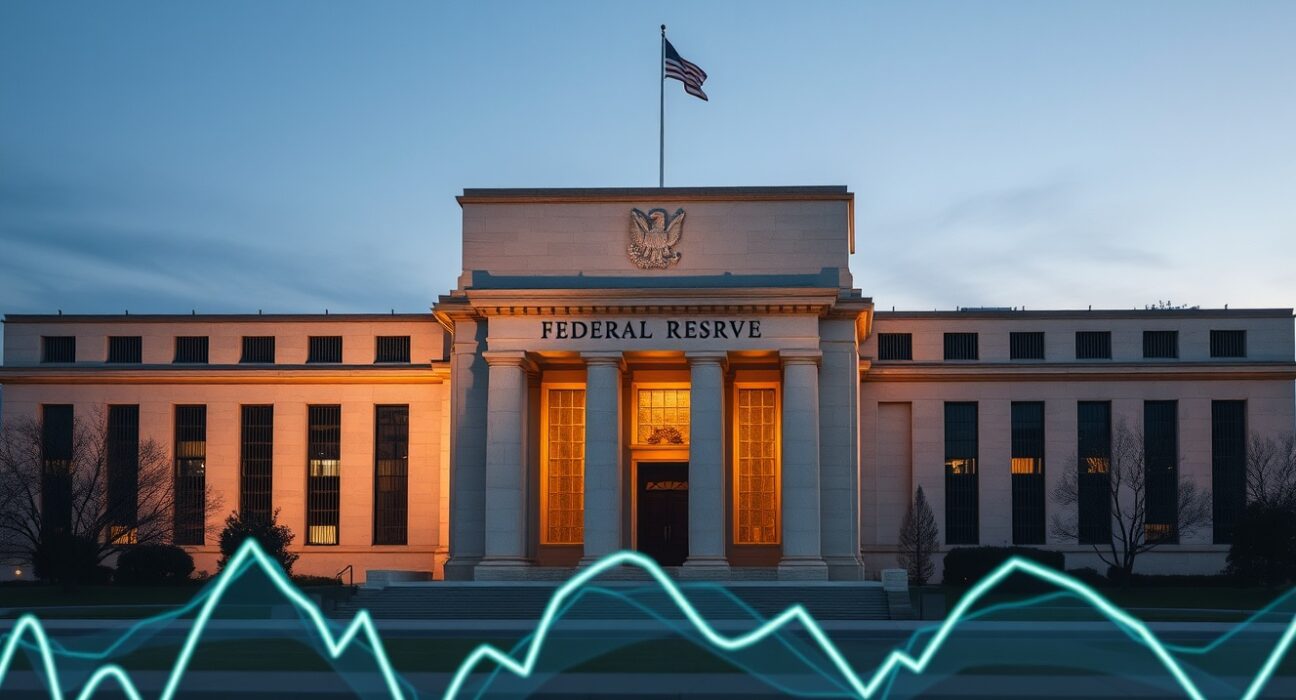
WASHINGTON, D.C. – March 2025: The Federal Reserve maintains its current monetary policy stance as persistent energy price shocks continue to exert upward pressure on inflation, according to a comprehensive analysis released today by Deutsche Bank researchers. This development signals a complex economic landscape where central bankers balance multiple competing priorities while navigating volatile global energy markets.
Federal Reserve Maintains Cautious Stance Amid Energy Volatility
Recent data from the Bureau of Labor Statistics reveals concerning trends. Energy prices surged 4.2% in the latest reporting period, significantly outpacing overall inflation metrics. Consequently, the Federal Open Market Committee (FOMC) decided to maintain the federal funds rate at its current target range. This decision reflects careful consideration of multiple economic indicators beyond headline inflation numbers.
Deutsche Bank economists highlight several key factors influencing this policy stance. First, labor market conditions remain relatively tight despite some cooling. Second, consumer spending patterns show resilience in certain sectors. Third, geopolitical developments continue to disrupt global energy supply chains. These elements collectively create a challenging environment for monetary policymakers.
The Energy-Inflation Nexus
Energy markets demonstrate particular volatility currently. Brent crude oil prices have fluctuated between $85 and $95 per barrel over the past quarter. Natural gas prices in Europe and Asia remain elevated compared to historical averages. Renewable energy adoption continues but faces infrastructure limitations. These factors contribute directly to transportation and production costs across multiple industries.
Manufacturing sectors experience the most direct impacts. Transportation costs increase for raw materials and finished goods. Production expenses rise for energy-intensive industries. Consumer goods companies face higher operational costs. Service industries confront increased energy overhead. This broad-based pressure creates persistent inflationary momentum.
Deutsche Bank Analysis: Detailed Methodology and Findings
Deutsche Bank’s research team employed sophisticated modeling techniques. They analyzed historical correlations between energy prices and core inflation measures. The team examined transmission mechanisms through production costs and consumer behavior. Researchers also considered secondary effects on inflation expectations and wage negotiations.
The analysis reveals several important insights. Energy price shocks typically exhibit delayed effects on broader inflation metrics. Core inflation measures eventually capture some energy-related pressures. Monetary policy responses require careful timing to avoid overcorrection. Different energy sources demonstrate varying inflationary impacts.
| Energy Source | Price Change | Inflation Contribution | Policy Sensitivity |
|---|---|---|---|
| Crude Oil | +28% | 0.8 percentage points | High |
| Natural Gas | +42% | 0.5 percentage points | Medium |
| Electricity | +18% | 0.3 percentage points | Low |
| Renewables | -5% | -0.1 percentage points | Very Low |
Historical Context and Comparative Analysis
Current conditions differ significantly from previous energy crises. The 1970s oil shocks occurred during different monetary policy frameworks. The 2008 energy price spike coincided with broader financial system stress. Today’s situation involves more diversified energy sources and different consumer behavior patterns.
Modern economies demonstrate greater energy efficiency than historical counterparts. Renewable energy penetration provides some buffer against fossil fuel volatility. Global supply chains offer alternative sourcing options. Digital technologies enable more efficient energy management. These factors moderate but do not eliminate inflationary pressures.
Monetary Policy Implications and Forward Guidance
The Federal Reserve faces complex communication challenges. Policymakers must acknowledge energy-driven inflation without overreacting to temporary factors. They need to maintain credibility on long-term inflation targets. Simultaneously, they must avoid unnecessary economic contraction.
Forward guidance becomes particularly important in this environment. The FOMC emphasizes data-dependent decision-making. Committee members highlight their focus on sustainable inflation trends. They acknowledge external factors beyond monetary policy control. This balanced approach aims to maintain market stability while addressing genuine concerns.
Several key considerations guide current policy discussions:
- Inflation expectations: Survey data shows moderate anchoring despite recent volatility
- Wage growth: Moderation in some sectors offsets pressure in others
- Productivity gains: Technological improvements partially absorb cost increases
- Global coordination: Other central banks face similar challenges
Market Reactions and Economic Projections
Financial markets demonstrate measured responses to current developments. Treasury yields show limited movement following the latest policy announcement. Equity markets reflect sector-specific impacts rather than broad concerns. Currency markets indicate confidence in the Federal Reserve’s approach.
Economic projections from major institutions show cautious optimism. Most forecasters anticipate gradual inflation moderation through 2025. Growth projections remain positive though modest. Employment forecasts suggest continued labor market stability. These projections assume no major additional energy market disruptions.
Energy Market Fundamentals and Supply Considerations
Global energy markets face structural challenges beyond cyclical factors. Geopolitical tensions affect traditional supply routes. Climate policies influence investment decisions across energy sectors. Infrastructure limitations constrain distribution capabilities. Technological innovation creates both opportunities and disruptions.
Several specific developments warrant attention. OPEC+ production decisions continue to influence crude oil markets. Natural gas liquefaction capacity expansions proceed gradually. Renewable energy installation accelerates but faces grid integration challenges. Energy storage technologies improve but remain capacity-limited. These factors collectively shape the energy price landscape.
Consumer Impact and Behavioral Responses
Households demonstrate adaptive behaviors in response to energy prices. Consumers adjust transportation patterns and vehicle choices. Home energy efficiency investments increase noticeably. Purchasing decisions increasingly consider energy-related operating costs. These behavioral changes moderate demand-side inflationary pressures.
Businesses implement similar adjustments. Companies optimize logistics networks for fuel efficiency. Manufacturers invest in energy-saving technologies. Service providers adjust operating hours and locations. These responses help contain cost increases but require capital investment.
Conclusion
The Federal Reserve maintains a careful balancing act as energy-driven inflation persists. Deutsche Bank analysis highlights the complex interplay between commodity markets and monetary policy. Current conditions require nuanced responses rather than dramatic policy shifts. Energy price volatility will likely continue influencing inflation metrics through 2025. Consequently, policymakers must remain vigilant while avoiding premature reactions to temporary factors. The broader economic outlook remains cautiously positive despite these persistent challenges.
FAQs
Q1: How do energy prices specifically affect overall inflation?
Energy prices influence inflation through multiple channels including direct consumer costs, production expenses for goods and services, transportation costs throughout supply chains, and secondary effects on inflation expectations that can influence wage and price setting behavior.
Q2: Why doesn’t the Federal Reserve raise rates more aggressively to combat energy-driven inflation?
The Federal Reserve typically focuses on sustained inflation trends rather than temporary price spikes. Since monetary policy affects the economy with significant lags, aggressive responses to potentially temporary energy price increases could unnecessarily slow economic growth without addressing the root causes of energy market volatility.
Q3: What differentiates current energy market conditions from previous inflationary periods?
Current conditions feature more diversified energy sources including significant renewable penetration, greater global market integration, different geopolitical dynamics, improved energy efficiency across economies, and more sophisticated monetary policy frameworks compared to historical energy crises.
Q4: How long do energy price shocks typically affect inflation metrics?
Research indicates initial energy price impacts appear quickly in headline inflation, with secondary effects spreading to core inflation measures over 6-18 months. The duration depends on the shock’s magnitude, underlying economic conditions, policy responses, and behavioral adjustments by consumers and businesses.
Q5: What indicators should observers monitor regarding energy-inflation dynamics?
Key indicators include crude oil and natural gas futures prices, energy sector investment patterns, consumer energy expenditure surveys, business energy cost reports, inflation expectation measures, wage growth data, and productivity statistics that might offset cost pressures.
Disclaimer: The information provided is not trading advice, Bitcoinworld.co.in holds no liability for any investments made based on the information provided on this page. We strongly recommend independent research and/or consultation with a qualified professional before making any investment decisions.
