

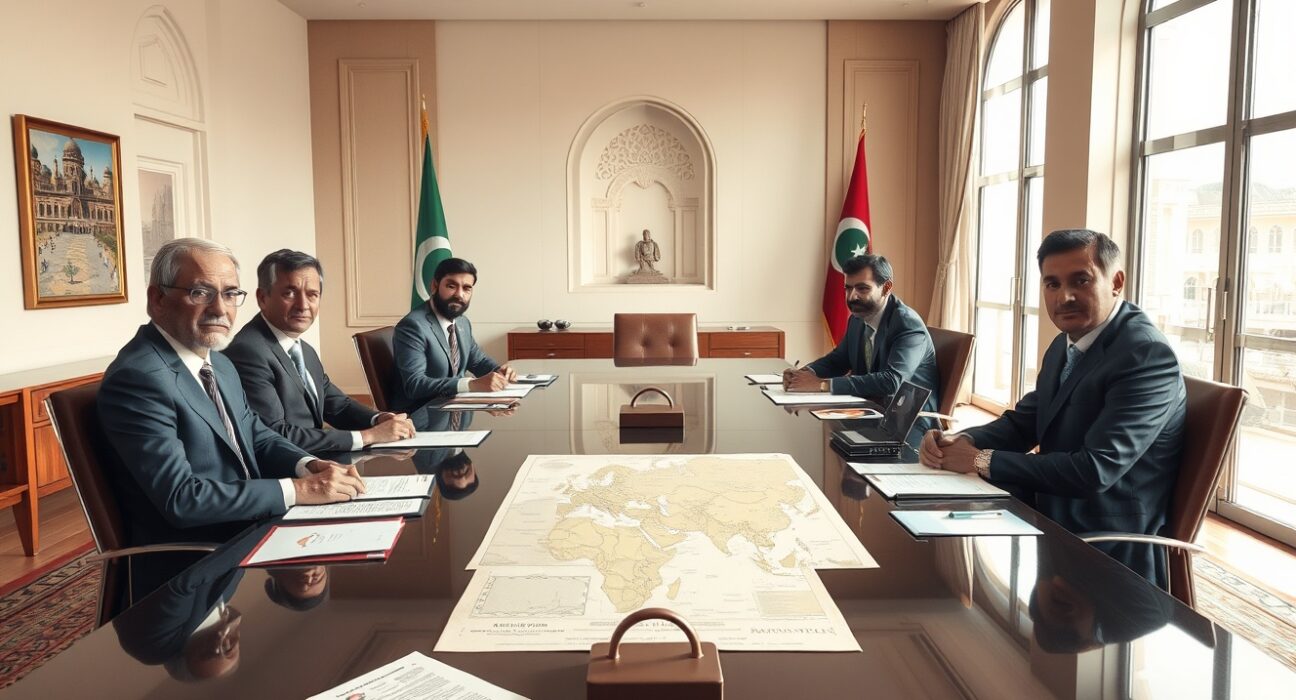
ISLAMABAD, Pakistan — The United States has reportedly proposed a significant 20-year suspension of Iran’s uranium enrichment program during recent diplomatic talks, according to Israeli media sources familiar with the negotiations. This development represents a crucial attempt to address longstanding nuclear concerns while potentially reshaping regional security dynamics. The proposal emerged during end-of-war negotiations held in Pakistan’s capital, marking Islamabad’s growing role as a diplomatic intermediary in Middle Eastern affairs.
US Proposes 20-Year Uranium Enrichment Halt Framework
American negotiators presented a comprehensive framework during the Islamabad talks that would require Iran to cease all uranium enrichment activities for two decades. According to multiple sources, the proposal includes several interconnected components designed to address both nuclear proliferation concerns and regional stability. The United States reportedly offered to halt military actions against Iranian targets and unfreeze substantial portions of Iran’s international assets currently held under sanctions.
In exchange for these concessions, Washington demanded three primary commitments from Tehran. First, Iran must completely stop uranium enrichment for twenty years. Second, the country must transfer all existing stocks of highly enriched uranium to international custodians. Third, Iran must guarantee full and permanent access through the strategic Strait of Hormuz, a vital global oil transit corridor. These requirements reflect continued Western concerns about Iran’s nuclear capabilities and their potential regional implications.
Iran’s Counterproposal and Negotiation Dynamics
The Iranian delegation responded with a significantly shorter proposed timeframe, creating what sources describe as the main obstacle in the negotiations. While exact details of Iran’s counteroffer remain confidential, regional analysts suggest Tehran likely proposed a much more limited suspension period, possibly between two to five years. This substantial gap between the two positions highlights the fundamental differences in how each nation views both the nuclear issue and the appropriate duration for confidence-building measures.
Several factors influence Iran’s negotiating position. The country has invested substantial resources in developing its nuclear infrastructure over decades. Additionally, domestic political considerations and national pride play significant roles in Tehran’s calculations. Regional experts note that Iran typically seeks to maintain at least some nuclear capability as both a technological achievement and a potential bargaining chip in future negotiations. The current disagreement over timeframe reflects these deeper strategic considerations on both sides.
Historical Context and Previous Negotiations
These latest talks occur against a complex backdrop of previous nuclear agreements and regional tensions. The 2015 Joint Comprehensive Plan of Action (JCPOA) initially limited Iran’s nuclear activities in exchange for sanctions relief. However, the United States withdrew from that agreement in 2018 under the Trump administration, leading to renewed tensions and expanded Iranian nuclear activities. Subsequent attempts to revive negotiations have faced numerous challenges, including changing political administrations, regional proxy conflicts, and evolving security concerns.
The choice of Islamabad as a negotiation venue carries particular significance. Pakistan maintains diplomatic relations with both nations and possesses its own nuclear capabilities and non-proliferation experience. Furthermore, Pakistan’s geographical position and historical role in regional diplomacy make it a potentially neutral ground for sensitive discussions. This location choice suggests both parties sought a discreet environment away from traditional European or Middle Eastern negotiation venues that might carry additional political baggage.
Regional Security Implications and Global Impact
The proposed agreement carries substantial implications for Middle Eastern security architecture. A successful negotiation could potentially reduce immediate tensions between the United States and Iran, possibly creating space for addressing other regional issues. However, neighboring countries, particularly Israel and Gulf Arab states, would likely scrutinize any agreement carefully. These nations have historically expressed concerns about Iran’s regional ambitions and potential nuclear capabilities.
The Strait of Hormuz component represents a particularly critical element for global energy markets. Approximately 20% of the world’s petroleum passes through this narrow waterway, making its security a matter of international concern. Guaranteed access could provide stability for global oil supplies and potentially reduce insurance costs for shipping through the region. The following table illustrates key statistics about the Strait of Hormuz:
| Metric | Value |
|---|---|
| Daily Oil Transit | 20.7 million barrels |
| Global Oil Share | 20-30% |
| LNG Transit Share | 25% of global supply |
| Narrowest Point | 21 nautical miles |
| Primary Users | UAE, Saudi Arabia, Iran, Qatar |
International reactions to the reported proposals have begun emerging from various capitals. European Union officials have expressed cautious optimism about renewed diplomatic engagement while emphasizing the importance of verifiable commitments. Russian and Chinese responses have been more measured, with both nations traditionally advocating for diplomatic solutions while maintaining their own strategic relationships with Iran. The broader international community generally views any reduction in nuclear proliferation risks as positive, provided agreements include robust verification mechanisms.
Economic Considerations and Sanctions Relief
The potential unfreezing of Iranian assets represents a significant economic consideration for both nations. Iran currently has substantial funds held in foreign accounts under various sanctions regimes. Releasing even a portion of these assets could provide Tehran with much-needed financial resources while demonstrating American willingness to offer tangible incentives for compliance. However, the specific amount and conditions for asset release remain unclear from available reports.
Several key factors will influence whether these negotiations progress:
- Verification mechanisms for uranium enrichment suspension
- International monitoring arrangements for transferred materials
- Regional security guarantees for neighboring states
- Domestic political support in both countries
- Timeline synchronization between nuclear and sanctions measures
Conclusion
The reported US proposal for a 20-year uranium enrichment halt represents a significant diplomatic initiative with far-reaching implications for Middle Eastern security and global non-proliferation efforts. While substantial differences remain between American and Iranian positions, particularly regarding the duration of any suspension, the mere existence of these talks suggests both nations recognize the value of continued dialogue. The involvement of Pakistan as a negotiation venue adds an interesting dimension to regional diplomacy. Ultimately, the success of these efforts will depend on whether both sides can bridge their differences on critical issues while addressing the legitimate concerns of regional stakeholders and the international community. The proposed uranium enrichment halt, if achieved, could mark a turning point in one of the world’s most persistent security challenges.
FAQs
Q1: What exactly did the United States propose regarding Iran’s uranium enrichment?
The United States reportedly proposed that Iran completely halt all uranium enrichment activities for twenty years, transfer existing highly enriched uranium stocks abroad, and guarantee permanent access through the Strait of Hormuz, in exchange for the US stopping attacks on Iranian targets and unfreezing some Iranian assets.
Q2: Why is the Strait of Hormuz included in these nuclear negotiations?
The Strait of Hormuz is a critical global oil transit point, and its security affects international energy markets. Including it in negotiations addresses broader regional stability concerns beyond just nuclear issues, potentially creating a more comprehensive agreement that serves multiple security interests.
Q3: How did Iran respond to the American proposal?
Iran reportedly proposed a much shorter suspension timeframe than the twenty years suggested by the United States. This disagreement over duration appears to be the main obstacle in current negotiations, though exact details of Iran’s counterproposal remain confidential.
Q4: Why were these talks held in Islamabad, Pakistan?
Pakistan maintains diplomatic relations with both nations and offers a neutral venue away from traditional negotiation locations. Its geographical position and experience with nuclear issues make it a potentially effective intermediary for sensitive discussions between the United States and Iran.
Q5: What happens next in these negotiations?
Both sides will likely continue discussions, possibly through indirect channels or with third-party mediation. The success of negotiations will depend on whether they can bridge the substantial gap in their positions, particularly regarding the duration of any uranium enrichment suspension and the sequencing of reciprocal measures.
Disclaimer: The information provided is not trading advice, Bitcoinworld.co.in holds no liability for any investments made based on the information provided on this page. We strongly recommend independent research and/or consultation with a qualified professional before making any investment decisions.
