

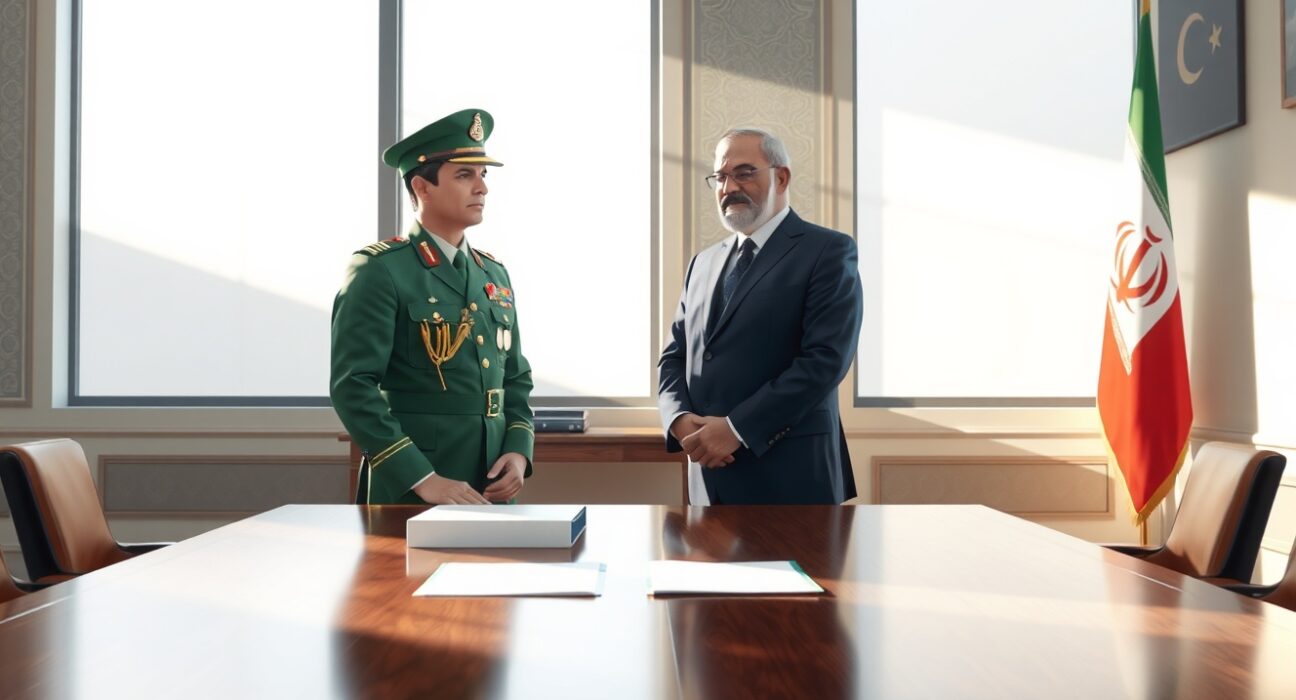
In a significant development for regional stability, the Pakistani Army Chief’s recent diplomatic mission to Tehran has yielded tangible progress in reducing longstanding differences between the two neighboring nations, particularly in security and border management areas. The high-level visit, occurring against a backdrop of historical tensions and recent border incidents, represents a crucial step toward enhanced bilateral cooperation. This analysis examines the strategic implications, historical context, and specific areas where diplomatic engagement has produced measurable results.
Pakistan-Iran Relations: A Complex Historical Context
The relationship between Pakistan and Iran has experienced multiple phases of cooperation and tension since both nations gained independence. Historically, the two countries maintained cordial relations during the Cold War era, particularly under the Shah’s regime in Iran. However, the 1979 Iranian Revolution introduced ideological differences that occasionally strained bilateral ties. More recently, cross-border militant activities and differing regional alignments have created periodic friction.
Specifically, border security has emerged as a persistent challenge. The 959-kilometer shared border, stretching from the tri-junction with Afghanistan to the Arabian Sea, presents significant security management difficulties. Both nations have accused each other of insufficient action against militant groups operating in border regions. Furthermore, regional geopolitics, including Pakistan’s relationship with Saudi Arabia and Iran’s ties with India, have occasionally created diplomatic complications.
The Army Chief’s Diplomatic Mission: Objectives and Outcomes
The Pakistani military leadership’s visit to Iran focused on several key strategic objectives. Primarily, the mission aimed to address immediate security concerns while establishing mechanisms for ongoing dialogue. During high-level meetings with Iranian military and political leadership, discussions centered on concrete confidence-building measures rather than abstract diplomatic statements.
Notably, the visit produced agreements in three specific areas:
- Enhanced Border Coordination: Establishment of joint border management committees with real-time communication protocols
- Intelligence Sharing Framework: Structured mechanism for exchanging information about militant movements
- Military-to-Military Cooperation: Agreement on periodic high-level consultations between defense establishments
These outcomes represent significant progress compared to previous diplomatic engagements. The agreements move beyond general statements of cooperation to establish specific, actionable frameworks for collaboration.
Regional Security Implications
The improved Pakistan-Iran relationship carries substantial implications for regional security dynamics. As neighboring states with significant military capabilities, their cooperation or conflict directly affects stability in South Asia and the Middle East. Enhanced coordination between their security apparatuses could potentially reduce cross-border militant activities that have plagued both nations.
Moreover, this diplomatic progress occurs within a broader regional context. The evolving situation in Afghanistan, changing great power dynamics, and economic connectivity initiatives like China’s Belt and Road all influence bilateral relations. Successful diplomacy between Islamabad and Tehran creates opportunities for broader regional cooperation frameworks that could address shared challenges more effectively.
Economic and Strategic Dimensions of Improved Relations
Beyond security considerations, the diplomatic breakthrough opens possibilities for enhanced economic cooperation. Pakistan and Iran have long discussed energy cooperation, particularly regarding the Iran-Pakistan gas pipeline project. While international sanctions have complicated this initiative, improved political relations create a more favorable environment for exploring alternative energy cooperation arrangements.
Additionally, both nations share interests in regional connectivity. Iran’s strategic location as a bridge between Central Asia and the Indian Ocean complements Pakistan’s position as a connection between South Asia and the Middle East. Potential cooperation in transportation corridors could benefit both economies while contributing to regional integration.
The following table illustrates key areas of potential bilateral cooperation:
| Cooperation Area | Current Status | Potential Development |
|---|---|---|
| Border Security | Periodic incidents, limited coordination | Joint patrols, integrated monitoring systems |
| Energy Trade | Limited electricity imports, stalled pipeline | Expanded electricity trade, alternative energy projects |
| Trade Facilitation | Formal trade below potential, informal border trade | Enhanced border markets, reduced trade barriers |
| Regional Connectivity | Separate initiatives, limited coordination | Integrated transport corridors, joint infrastructure |
Expert Analysis and Future Prospects
Regional security analysts emphasize the importance of sustained engagement following the Army Chief’s successful visit. According to diplomatic observers, the military-to-military channel often proves more effective than traditional diplomatic channels for addressing security concerns between neighboring states. The personal relationships established during such high-level visits can facilitate communication during crises.
However, experts also caution that diplomatic progress requires consistent follow-up. The agreements reached during the visit must translate into operational cooperation on the ground. Regular meetings at various levels—from border commanders to strategic planners—will determine whether the reduced differences translate into lasting improvements in bilateral relations.
Furthermore, the domestic political contexts in both countries will influence implementation. In Pakistan, civil-military relations and the broader foreign policy framework affect security diplomacy. In Iran, evolving regional policies and international engagements create variables that could impact bilateral cooperation. Both nations must navigate these domestic considerations while pursuing improved relations.
Conclusion
The Pakistani Army Chief’s diplomatic mission to Iran represents a significant achievement in reducing differences between the two neighboring nations. By focusing on practical security cooperation and establishing concrete mechanisms for collaboration, the visit has moved bilateral relations beyond rhetorical statements toward actionable frameworks. The progress in border security coordination and military-to-military dialogue creates foundations for broader cooperation across economic and strategic domains. As both nations face shared regional challenges, sustained engagement following this diplomatic breakthrough could yield substantial benefits for regional stability and bilateral relations.
FAQs
Q1: What were the main achievements of the Pakistani Army Chief’s visit to Iran?
The visit achieved progress in three key areas: enhanced border coordination mechanisms, establishment of an intelligence sharing framework, and agreement on regular military-to-military consultations between defense establishments.
Q2: Why is military diplomacy important for Pakistan-Iran relations?
Military diplomacy provides a direct channel for addressing security concerns that often dominate bilateral relations. The military establishments in both countries play crucial roles in border management and counterterrorism efforts, making their coordination essential for practical cooperation.
Q3: How does improved Pakistan-Iran relations affect regional security?
Enhanced cooperation between Pakistan and Iran can reduce cross-border militant activities, improve stability along their shared border, and create opportunities for broader regional security frameworks. This contributes to stability in both South Asia and the Middle East.
Q4: What economic opportunities might emerge from improved relations?
Potential economic benefits include progress on energy cooperation projects like the Iran-Pakistan gas pipeline, expanded electricity trade, enhanced formal trade through border facilitation, and cooperation on regional connectivity initiatives.
Q5: What challenges remain in Pakistan-Iran relations despite this diplomatic progress?
Challenges include navigating international sanctions affecting economic cooperation, managing differing regional alignments with other countries, ensuring consistent implementation of agreements, and addressing historical trust deficits through sustained engagement.
Disclaimer: The information provided is not trading advice, Bitcoinworld.co.in holds no liability for any investments made based on the information provided on this page. We strongly recommend independent research and/or consultation with a qualified professional before making any investment decisions.
