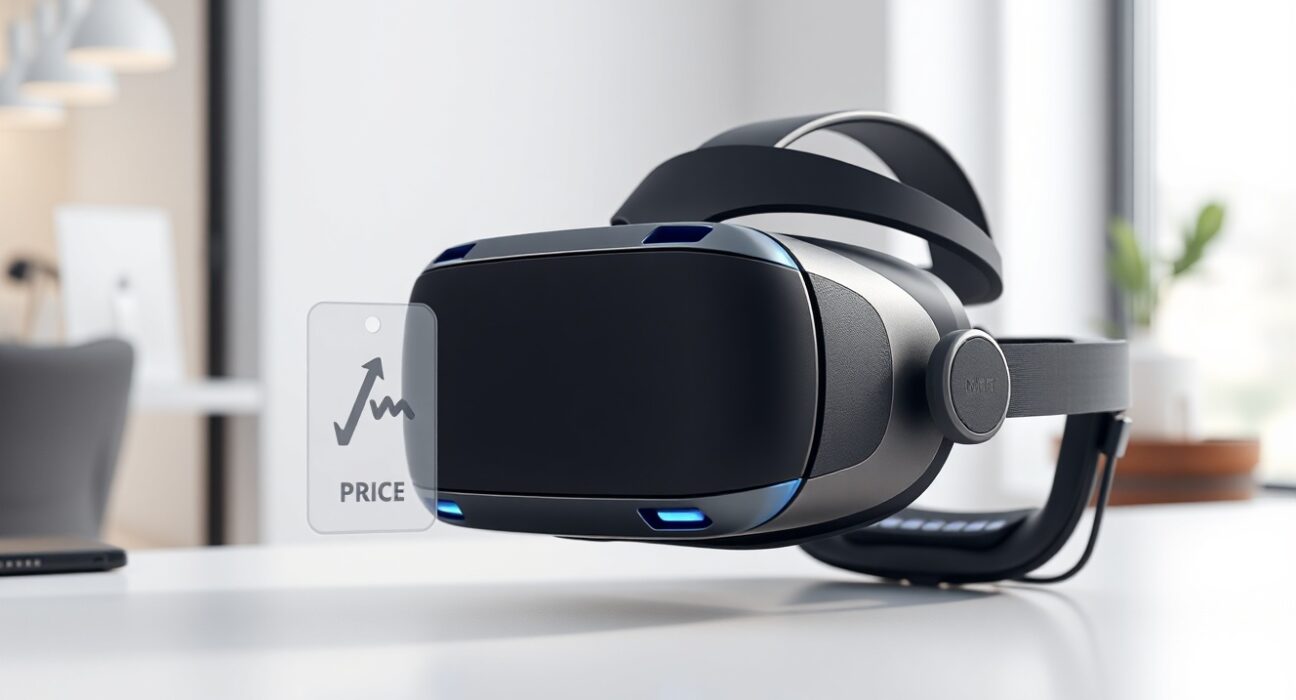
Meta announced significant price increases for its Quest 3 and Quest 3S virtual reality headsets on Thursday, April 16, 2026, citing a global RAM shortage that has driven memory chip costs to unprecedented levels across the consumer electronics industry.
Meta Quest 3 Price Increase Details
Starting April 19, 2026, Meta will implement immediate price adjustments across its VR hardware lineup. The company confirmed the Meta Quest 3S (128GB) will increase by $50 to $349.99. Similarly, the Meta Quest 3S (256GB) model rises by $50 to $449.99. Most notably, the flagship Meta Quest 3 experiences a $100 price hike, reaching $599.99. These changes represent the first major price increases for Meta’s VR products since their initial market introduction.
Furthermore, Meta confirmed that updated pricing will apply to refurbished Quest units. However, the company maintains current pricing for all Meta Quest accessories. This strategic decision suggests Meta aims to minimize customer impact on peripheral purchases while addressing core hardware cost pressures.
Global RAM Shortage Impacts Consumer Electronics
The memory chip shortage represents a systemic challenge affecting multiple technology sectors. Industry analysts trace the current crisis to several converging factors. First, increased demand for high-performance memory in artificial intelligence servers has strained production capacity. Second, geopolitical tensions have disrupted supply chains for critical semiconductor materials. Third, manufacturing constraints at major fabrication plants have created bottlenecks throughout 2025 and early 2026.
Meta’s announcement follows similar moves by other technology giants. Samsung increased prices for its Galaxy smartphones by 8-12% last quarter. Microsoft adjusted Xbox Series X pricing in European markets last month. Sony implemented gradual PlayStation VR2 price increases throughout the first quarter. This industry-wide trend underscores the memory chip shortage’s broad impact.
Memory Chip Market Analysis
Market data reveals dramatic shifts in memory pricing dynamics. According to industry reports, DDR5 RAM module prices increased 34% year-over-year. NAND flash memory costs rose 28% during the same period. These components are essential for VR headsets requiring high-speed data processing and substantial storage capacity. The Quest 3 utilizes advanced memory configurations to support its mixed reality capabilities and high-resolution displays.
Technology research firms project the memory shortage could persist through late 2026. Manufacturing capacity expansions require 18-24 months for completion. Meanwhile, demand continues growing across automotive, mobile, and computing sectors. This supply-demand imbalance creates sustained pressure on component pricing.
Meta’s Official Statement and Strategic Position
Meta published a detailed blog post explaining the pricing decision. The company stated, “We’re making this change because the cost of building high-performance VR hardware has risen significantly. The global surge in the price of critical components — specifically memory chips — is impacting almost every category of consumer electronics, including VR.”
The statement continues, “To keep delivering the quality of hardware, software, and support you expect from the Quest platform, we need to adjust our pricing.” This communication emphasizes Meta’s commitment to maintaining product quality despite cost pressures. The company likely seeks to balance customer retention with financial sustainability during component shortages.
Meta’s VR division represents a strategic investment area despite recent corporate restructuring. The company continues developing the metaverse ecosystem while facing competitive pressure from Apple’s Vision Pro and upcoming VR products from Google and Samsung. Price adjustments may affect market positioning against these alternatives.
Historical Context of Tech Hardware Pricing
Technology hardware pricing typically follows a deflationary pattern. Components become cheaper over time through manufacturing improvements and economies of scale. The current memory chip shortage reverses this trend temporarily. Historical precedents include the 2011 hard drive shortage following Thailand floods and the 2018-2019 NAND flash oversupply correction.
However, the 2025-2026 memory shortage differs in scope and duration. Unlike previous regional disruptions, this crisis affects global supply chains simultaneously. The convergence of AI demand, automotive electronics growth, and 5G expansion creates unprecedented pressure on semiconductor fabrication capacity.
Consumer Impact and Market Response
The price increases arrive during a critical growth period for virtual reality adoption. Meta sold approximately 8.7 million Quest headsets in 2025 according to industry estimates. The company targets mainstream adoption through accessible pricing. These adjustments could slow market expansion temporarily.
Consumer reactions will likely vary across market segments. Enterprise customers may absorb the increases more readily than individual consumers. Educational institutions implementing VR programs could face budget constraints. Developers creating content for the Quest platform might experience reduced addressable market size.
Competitive dynamics will evolve following Meta’s announcement. Apple’s Vision Pro maintains its $3,499 price point, targeting premium segments. HTC and Valve have not announced similar price changes for their VR products. Market observers will monitor whether competitors follow Meta’s pricing strategy or maintain current levels to gain market share.
Future Outlook and Industry Implications
The memory chip shortage presents both challenges and opportunities for the technology sector. Manufacturers are accelerating investments in new fabrication facilities. Research into alternative memory technologies has gained renewed attention. Supply chain diversification initiatives receive increased funding from governments and corporations.
For Meta specifically, the pricing decision represents a calculated risk. The company must balance hardware affordability against component cost realities. Success depends on whether consumers perceive sufficient value in the Quest platform despite higher prices. Software content quality, social features, and exclusive applications will become increasingly important for customer retention.
Industry analysts suggest several potential developments. First, manufacturers might introduce tiered product lines with varying memory configurations. Second, subscription models could emerge to offset hardware costs. Third, trade-in programs might gain prominence to improve affordability. These adaptations could reshape how consumers access VR technology.
Conclusion
Meta’s Quest 3 price increase reflects broader industry challenges stemming from the global RAM shortage. The $100 adjustment for the flagship model and $50 increases for Quest 3S variants demonstrate how component costs directly affect consumer electronics pricing. As memory chip supply constraints continue affecting multiple technology sectors, companies must balance financial sustainability with market accessibility. The virtual reality industry faces particular pressure as it seeks mainstream adoption while navigating complex supply chain dynamics. Meta’s pricing decision represents both a response to immediate cost pressures and a strategic positioning for the evolving competitive landscape.
FAQs
Q1: When do the Meta Quest price increases take effect?
The new pricing becomes effective on April 19, 2026, for all new purchases through Meta’s official channels and authorized retailers.
Q2: Will existing Quest headset orders placed before April 19 honor the original pricing?
Yes, Meta typically honors the price at time of purchase for orders already placed and confirmed before the effective date of the increase.
Q3: Are other VR headset manufacturers raising prices due to the RAM shortage?
Several technology companies have adjusted hardware pricing recently, including Samsung, Microsoft, and Sony, though not all have specifically cited memory chip costs as the primary reason.
Q4: How long is the memory chip shortage expected to last?
Industry analysts project the shortage could persist through late 2026, though gradual improvement may occur as new manufacturing capacity comes online throughout the year.
Q5: Does the price increase affect Meta Quest Pro or older Quest models?
Meta’s announcement specifically mentions Quest 3 and Quest 3S models. The company has not indicated price changes for Quest Pro or discontinued Quest 2 models at this time.
Disclaimer: The information provided is not trading advice, Bitcoinworld.co.in holds no liability for any investments made based on the information provided on this page. We strongly recommend independent research and/or consultation with a qualified professional before making any investment decisions.