

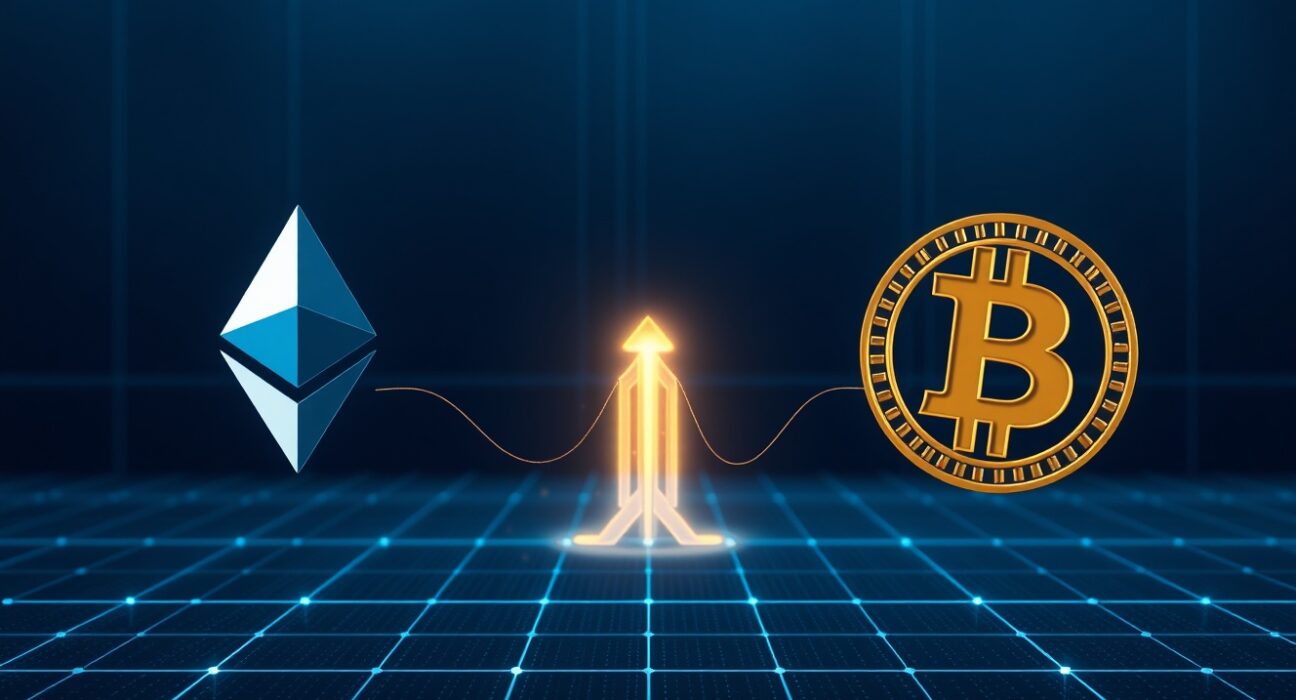
In a significant development following one of 2024’s largest DeFi breaches, stolen KelpDAO funds have begun moving across blockchain networks, raising alarms throughout the cryptocurrency security community. According to blockchain investigator ZachXBT, approximately $1.5 million worth of assets from the April 20 KelpDAO hack recently crossed from the Ethereum network to the Bitcoin blockchain via THORChain. Additionally, security analysts observed $78,000 moving through the privacy protocol Umbra. These movements represent the first major activity since the initial $294 million theft, signaling potential liquidation attempts by the attackers.
Stolen KelpDAO Funds Begin Moving Across Networks
The movement of stolen KelpDAO funds represents a critical phase in the post-hack investigation timeline. Security experts typically monitor stolen cryptocurrency for extended periods before attackers attempt to move or liquidate assets. Consequently, the recent transfers through THORChain and Umbra suggest the hackers may be initiating their exit strategy. THORChain’s cross-chain functionality enables direct asset movement between different blockchains without centralized exchanges. This capability presents both challenges and opportunities for investigators tracking the stolen KelpDAO funds.
Blockchain analytics firms have established sophisticated monitoring systems for such transactions. These systems track wallet addresses, transaction patterns, and exchange interactions. The $1.5 million transfer from Ethereum to Bitcoin via THORChain occurred in multiple transactions over a 48-hour period. Meanwhile, the separate $78,000 movement through Umbra utilized privacy-enhancing technology designed to obscure transaction details. Security professionals consider these developments significant because they indicate the attackers are actively working to obfuscate and potentially cash out the stolen KelpDAO funds.
The April 20 KelpDAO Security Breach Timeline
The original KelpDAO hack occurred on April 20, 2024, resulting in approximately $294 million in losses. The attack exploited a vulnerability in KelpDAO’s restaking protocol implementation. Restaking allows users to reuse staked Ethereum across multiple protocols simultaneously. This innovative approach unfortunately introduced complex security considerations that the attackers successfully manipulated.
Security firm CertiK published a detailed analysis of the attack vector shortly after the incident. Their investigation revealed a smart contract vulnerability that permitted unauthorized withdrawals. The attackers executed a series of transactions that drained funds from multiple vaults within minutes. Following the theft, the stolen assets remained dormant in several Ethereum wallets for weeks. This dormancy period is common as attackers wait for reduced scrutiny before moving stolen cryptocurrency.
Cross-Chain Transfer Mechanics and Investigation Challenges
The recent movement of stolen KelpDAO funds through THORChain presents unique investigation challenges. THORChain operates as a decentralized cross-chain liquidity protocol that enables direct asset swaps between different blockchains. Unlike centralized exchanges that require identity verification, THORChain’s decentralized nature provides fewer immediate tracking opportunities. However, blockchain investigators have developed specialized techniques for monitoring such cross-chain activities.
ZachXBT’s report detailed the specific transaction patterns observed during the stolen KelpDAO funds transfer. The $1.5 million moved through THORChain’s Ethereum-to-Bitcoin bridge in multiple increments. Each transaction followed similar patterns suggesting automated execution. Security analysts note that converting Ethereum-based assets to Bitcoin complicates tracking because Bitcoin’s blockchain offers different forensic characteristics. The additional $78,000 transfer through Umbra represents a separate obfuscation attempt using privacy technology.
Industry Response and Security Implications
The cryptocurrency industry has responded to the stolen KelpDAO funds movement with increased security alerts and protocol reviews. Major exchanges received notifications about the potentially tainted funds entering their systems. Security researchers emphasize that cross-chain transfers of stolen assets represent an evolving challenge for the entire blockchain ecosystem. Consequently, protocol developers are reevaluating security measures for cross-chain bridges and privacy tools.
Several key developments have emerged since the stolen KelpDAO funds began moving:
- Enhanced Monitoring: Blockchain analytics firms deployed additional tracking resources specifically for THORChain transactions
- Exchange Coordination: Major cryptocurrency exchanges increased scrutiny of Bitcoin deposits matching the transferred amounts
- Protocol Updates: THORChain developers announced security enhancements for their cross-chain bridge mechanisms
- Regulatory Attention: Financial authorities in multiple jurisdictions initiated discussions about cross-chain transaction monitoring
The table below summarizes the key movements of stolen KelpDAO funds:
| Date | Amount | Method | Destination |
|---|---|---|---|
| April 20, 2024 | $294 million | Initial Hack | Ethereum Wallets |
| Recent Movement | $1.5 million | THORChain | Bitcoin Network |
| Recent Movement | $78,000 | Umbra Protocol | Privacy Pool |
Technical Analysis of Fund Movement Patterns
Blockchain forensic experts have analyzed the technical patterns of the stolen KelpDAO funds movement. The THORChain transfers utilized specific smart contract interactions that investigators can potentially trace backward. Although THORChain aims for decentralization, its transparent blockchain recording still leaves forensic footprints. Security researchers have identified patterns in transaction timing, gas fees, and wallet interactions that may help identify the attackers’ strategies.
The Umbra transfer presents different technical characteristics. Umbra utilizes stealth addresses and zero-knowledge proofs to enhance transaction privacy. However, blockchain analysts have developed techniques to identify patterns even in privacy-enhanced transactions. The $78,000 movement through Umbra may represent a testing phase before larger transfers. Alternatively, it could indicate a separate laundering strategy running parallel to the THORChain transfers.
Historical Context of Major Crypto Fund Movements
The movement of stolen KelpDAO funds follows patterns observed in previous major cryptocurrency thefts. Historical analysis reveals that attackers typically wait 30-90 days before initiating major fund movements. This cooling-off period allows reduced media attention and investigator fatigue. The KelpDAO funds remained dormant for approximately this timeframe before the recent transfers began. Previous cases like the Poly Network hack and various exchange breaches show similar dormancy patterns followed by sophisticated movement strategies.
Security professionals compare the THORChain cross-chain approach to methods used in earlier high-profile cases. The 2022 Nomad Bridge hack saw attackers utilize multiple cross-chain bridges to disperse funds. The 2023 Euler Finance exploit involved complex DeFi interactions to obscure fund trails. Each case contributes to the evolving understanding of cryptocurrency forensic techniques. The stolen KelpDAO funds movement through both THORChain and Umbra represents a combination of these previously observed strategies.
Conclusion
The movement of stolen KelpDAO funds marks a critical development in one of 2024’s largest cryptocurrency security incidents. The $1.5 million cross-chain transfer to Bitcoin via THORChain demonstrates sophisticated evasion techniques available to modern blockchain attackers. Simultaneously, the $78,000 movement through privacy protocol Umbra highlights the ongoing challenges in tracking obscured cryptocurrency transactions. These developments underscore the importance of enhanced security protocols, cross-chain monitoring capabilities, and industry-wide coordination. As investigators continue tracking the stolen KelpDAO funds, the cryptocurrency community gains valuable insights into evolving security threats and forensic methodologies.
FAQs
Q1: How much was stolen in the original KelpDAO hack?
The April 20, 2024 KelpDAO security breach resulted in approximately $294 million in losses, making it one of the largest DeFi hacks of the year.
Q2: What is THORChain and how does it enable cross-chain transfers?
THORChain is a decentralized liquidity protocol that allows direct asset swaps between different blockchains without centralized intermediaries, enabling movements like the stolen KelpDAO funds transfer from Ethereum to Bitcoin.
Q3: Why did the attackers wait before moving the stolen funds?
Attackers typically wait 30-90 days after major thefts to allow reduced scrutiny, investigator fatigue, and decreased media attention before attempting to move or liquidate stolen cryptocurrency.
Q4: Can funds moved through THORChain be tracked?
While THORChain offers decentralized cross-chain functionality, blockchain investigators have developed specialized techniques to track transaction patterns, though the process becomes more complex when assets move between different blockchain architectures.
Q5: What security measures are exchanges taking regarding these moved funds?
Major cryptocurrency exchanges have increased scrutiny of Bitcoin deposits matching the amounts transferred from the stolen KelpDAO funds and implemented additional verification steps for larger cross-chain deposits.
Q6: How does the Umbra protocol affect fund tracking?
Umbra utilizes privacy-enhancing technologies including stealth addresses and zero-knowledge proofs, which complicate but don’t necessarily eliminate all tracking possibilities, as blockchain analysts continue developing new forensic techniques.
Disclaimer: The information provided is not trading advice, Bitcoinworld.co.in holds no liability for any investments made based on the information provided on this page. We strongly recommend independent research and/or consultation with a qualified professional before making any investment decisions.
