

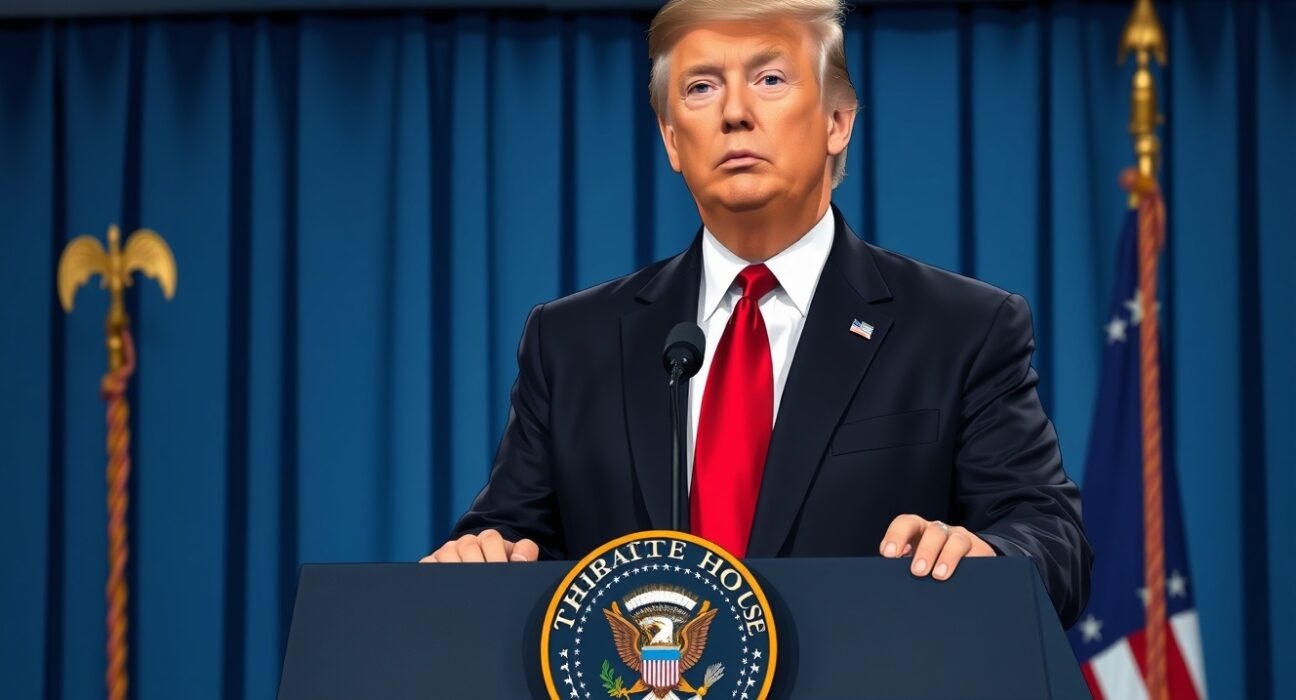
WASHINGTON, D.C. – March 15, 2025: Former President Donald Trump has declared there is no definitive time frame regarding potential military action against Iran, a statement that immediately reverberated through diplomatic channels and global markets. This ambiguous position, articulated during a recent policy address, represents a significant development in the ongoing strategic calculus surrounding Persian Gulf security. Consequently, analysts are scrutinizing the implications for regional stability and international energy supplies.
Trump’s Iran Conflict Timeline Statement and Strategic Ambiguity
President Trump’s remarks about the Iran war time frame deliberately introduce strategic ambiguity into US foreign policy. Military strategists frequently employ this approach to keep adversaries uncertain about potential responses. Furthermore, this statement comes amid renewed concerns about Iran’s nuclear program advancements and its support for proxy forces across the Middle East. The White House provided no additional clarification following the president’s comments, thereby leaving allies and observers parsing his exact meaning.
Historical context reveals that previous administrations have similarly avoided specific timelines when discussing military options. For instance, the Obama administration maintained deliberate ambiguity during nuclear negotiations. Similarly, the Biden administration emphasized diplomatic channels while reserving all options. Trump’s current position, however, appears more absolute in its refusal to establish any temporal parameters whatsoever. This represents a distinct shift in rhetorical posture that regional powers are now carefully evaluating.
Geopolitical Context and Regional Power Dynamics
The Middle East currently experiences heightened tensions across multiple fault lines. Iran continues to expand its influence through allied groups in Yemen, Syria, and Lebanon. Simultaneously, Gulf Cooperation Council states, particularly Saudi Arabia and the United Arab Emirates, have strengthened security partnerships with the United States. These alliances create a complex web of commitments that any military action would inevitably activate.
Expert Analysis of Military and Diplomatic Implications
Retired General James Thompson, former CENTCOM strategist, explains the calculated nature of such statements. “When a commander-in-chief declines to establish a timeline,” Thompson notes, “it serves multiple strategic purposes. Primarily, it prevents adversaries from predicting US responses. Additionally, it maintains maximum flexibility for decision-makers. However, it also creates anxiety among allies who prefer clear commitments.” This analysis underscores the delicate balance between deterrence and alliance management.
Diplomatic experts point to several immediate consequences of Trump’s declaration. First, European allies seeking to preserve the nuclear deal framework express concern about escalating rhetoric. Second, global oil markets demonstrate sensitivity to any Persian Gulf instability. Third, regional powers are likely reassessing their own security postures in response to Washington’s ambiguous stance. These interconnected effects illustrate the statement’s broad impact.
Historical Precedents and Conflict Escalation Patterns
Modern Middle Eastern conflicts rarely follow predictable timelines. The Iran-Iraq War lasted eight years despite initial predictions of quick resolution. Similarly, US involvement in Afghanistan extended across two decades. These historical examples demonstrate why military experts caution against establishing rigid temporal expectations for complex geopolitical confrontations. Moreover, asymmetric warfare and proxy conflicts further complicate timeline predictions.
A comparative analysis reveals distinct approaches to conflict timing:
| Conflict | Initial Timeline Estimate | Actual Duration | Key Lesson |
|---|---|---|---|
| Gulf War (1990-91) | Months | 7 months | Coalition warfare can achieve rapid objectives |
| Iraq War (2003-11) | “Months not years” | 8+ years | Occupation and stabilization exceed combat timelines |
| Afghanistan (2001-21) | No clear estimate | 20 years | Counterinsurgency requires generational commitment |
This historical perspective explains why current administration officials might avoid specific predictions. Each conflict involves unique variables including terrain, alliance structures, and adversary capabilities. Consequently, experienced policymakers recognize the limitations of timeline projections in complex security environments.
Economic and Global Security Implications
The Strait of Hormuz remains a critical global chokepoint for oil transportation. Approximately 21 million barrels pass through daily, representing 21% of global petroleum consumption. Any military conflict involving Iran would immediately threaten this vital waterway. Energy analysts consequently monitor geopolitical developments with particular attention to Persian Gulf security. Market reactions to Trump’s statement included:
- Immediate 2.3% increase in Brent crude futures
- Strengthening of traditional safe-haven assets including gold and the Swiss franc
- Increased volatility in energy sector stocks
- Heightened demand for maritime insurance in the Gulf region
Global security arrangements also face potential realignment. NATO members maintain varying levels of commitment to Middle Eastern security operations. Meanwhile, Russia and China have expanded their diplomatic and economic engagement with Iran. These competing interests create a multipolar landscape where conflict escalation could trigger broader international consequences. Security analysts therefore emphasize crisis management mechanisms and communication channels.
Legal and Constitutional Considerations
The War Powers Resolution of 1973 establishes specific requirements for presidential military actions. Under this framework, the executive branch must consult Congress before introducing armed forces into hostilities. Additionally, the administration must report to Congress within 48 hours of military engagement. These legal parameters create institutional constraints regardless of rhetorical positions about timelines. Constitutional scholars emphasize that while presidents command military operations, Congress retains fundamental war powers.
Recent legislative developments further complicate the executive’s flexibility. The 2024 National Defense Authorization Act included provisions requiring additional consultation for Middle Eastern deployments. Furthermore, bipartisan groups in Congress have proposed legislation specifically addressing authorization for military action against Iran. These institutional factors inevitably influence strategic calculations about potential conflict timelines and scales.
Conclusion
President Trump’s statement regarding the Iran conflict timeline reflects a deliberate strategy of maintaining maximum policy flexibility. This approach carries significant implications for regional stability, global energy markets, and international security architecture. While avoiding specific temporal commitments provides strategic advantages, it also generates uncertainty among allies and economic actors. The evolving situation demands careful monitoring as diplomatic, military, and economic factors continue to interact in this volatile region. Ultimately, the absence of a defined time frame represents not an absence of policy, but a particular type of calculated strategic communication with profound real-world consequences.
FAQs
Q1: What exactly did President Trump say about Iran conflict timing?
President Trump stated there is “no time frame” regarding potential military action against Iran, emphasizing strategic flexibility without establishing specific temporal parameters for possible engagement.
Q2: How have other countries reacted to this statement?
European allies expressed concern about escalating rhetoric, Gulf states are reassessing security postures, and global markets showed immediate sensitivity through oil price increases and currency movements.
Q3: What historical conflicts inform current thinking about war timelines?
The Gulf War (7 months), Iraq War (8+ years), and Afghanistan conflict (20 years) demonstrate how initial timeline estimates often prove inaccurate in complex Middle Eastern military engagements.
Q4: How does this affect global oil markets and energy security?
With 21% of global petroleum passing through the Strait of Hormuz, any conflict threat immediately impacts oil prices, shipping insurance, and energy sector investments worldwide.
Q5: What legal constraints exist on presidential military actions regarding Iran?
The War Powers Resolution requires congressional consultation and reporting, while recent defense authorization acts include additional requirements for Middle Eastern deployments, creating institutional checks on executive action.
Disclaimer: The information provided is not trading advice, Bitcoinworld.co.in holds no liability for any investments made based on the information provided on this page. We strongly recommend independent research and/or consultation with a qualified professional before making any investment decisions.
