

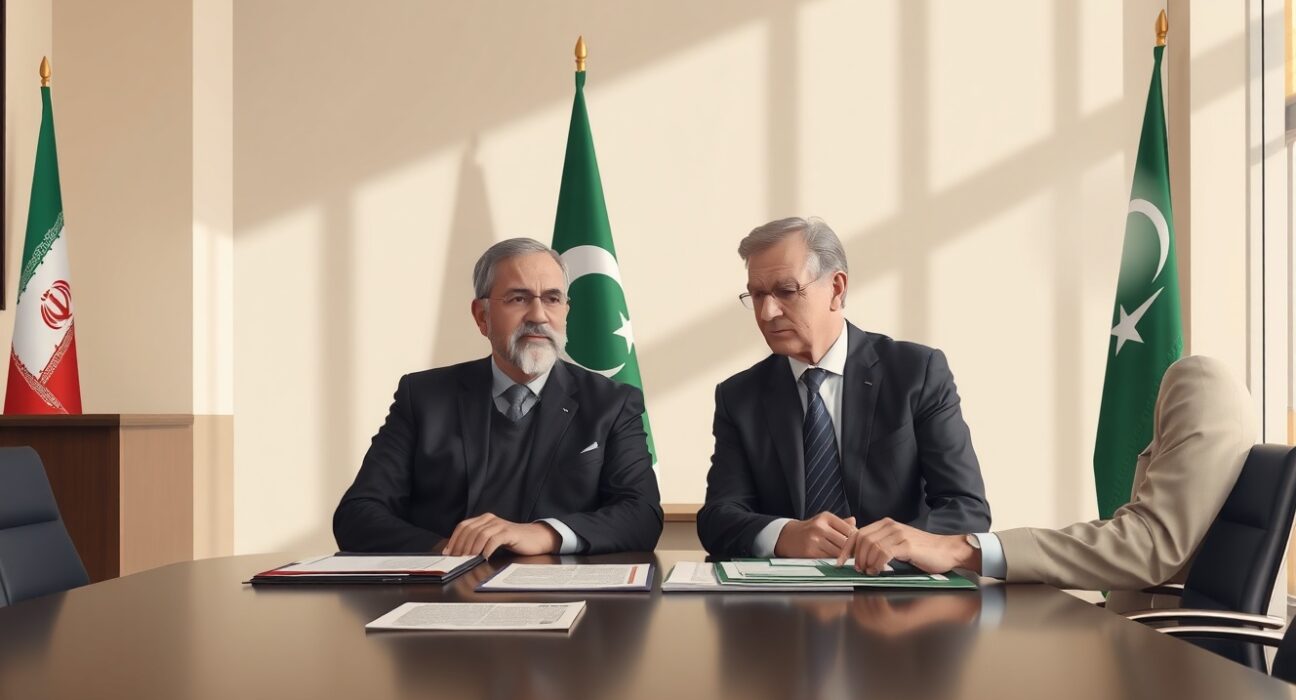
Iranian Foreign Minister Abbas Araghchi is scheduled to visit Islamabad, Pakistan, for direct negotiations with the United States. This development marks a significant diplomatic move in the ongoing tensions between Tehran and Washington. Pakistani authorities confirmed that a US logistics and security team has already arrived in the country. A second round of negotiations between the US and Iran is now planned. This visit signals a potential shift in bilateral relations.
Iranian Foreign Minister Pakistan Visit: Key Details
Abbas Araghchi will lead the Iranian delegation in Islamabad. The talks aim to address several critical issues. These include Iran’s nuclear program, regional security, and economic sanctions. The US team, already on the ground, is preparing for the discussions. This is not the first attempt at dialogue. Previous rounds have faced significant hurdles. However, the Pakistani mediation offers a new channel.
Pakistan has historically played a mediating role. It maintains diplomatic ties with both Iran and the US. This unique position allows it to facilitate communication. The upcoming talks are part of a broader diplomatic effort. The US has sought to re-engage with Iran after years of strained relations. The Iranian foreign minister’s visit to Pakistan is a crucial step in this process.
US Iran Talks Islamabad: A Second Round of Negotiations
The second round of US-Iran talks will focus on confidence-building measures. Key topics include the revival of the Joint Comprehensive Plan of Action (JCPOA). The US withdrawal from the deal in 2018 created a major rift. Iran has since expanded its nuclear activities. The talks aim to find a mutually acceptable framework.
- Nuclear program limits: Iran’s enrichment levels and stockpile.
- Sanctions relief: US removal of economic penalties.
- Regional stability: Iran’s influence in Iraq, Syria, and Yemen.
- Verification mechanisms: IAEA inspections and transparency.
These discussions are complex. Both sides have deep mistrust. However, the Pakistani setting provides a neutral ground. Analysts believe that progress is possible if both parties show flexibility. The Iranian foreign minister’s visit to Pakistan demonstrates a willingness to engage.
Abbas Araghchi Pakistan Visit: Diplomatic Implications
Abbas Araghchi is a seasoned diplomat. He previously served as Iran’s chief nuclear negotiator. His appointment as foreign minister signals Iran’s focus on diplomacy. His visit to Pakistan is strategically timed. It comes amid rising tensions in the Middle East. The US has increased military presence in the region. Iran has responded with nuclear advancements.
Pakistan’s role as a mediator is critical. It has offered its services to both nations. The country’s foreign ministry has been actively engaged. The arrival of the US logistics team shows serious preparation. This is a high-stakes diplomatic effort. Success could reduce regional tensions. Failure could lead to further escalation.
Iran US Negotiations Pakistan: Historical Context
US-Iran relations have been adversarial for decades. The 1979 Iranian Revolution severed ties. Subsequent events deepened the divide. The Iran-Iraq war, the US designation of Iran as a state sponsor of terror, and nuclear disputes have all contributed. The JCPOA in 2015 was a rare breakthrough. However, the US withdrawal in 2018 reversed progress.
| Year | Event |
|---|---|
| 1979 | Iranian Revolution and US Embassy hostage crisis |
| 1980 | US breaks diplomatic relations with Iran |
| 2015 | JCPOA signed between Iran and P5+1 |
| 2018 | US withdraws from JCPOA, reimposes sanctions |
| 2023 | Indirect talks resume in Oman and Qatar |
| 2025 | Iranian foreign minister to visit Pakistan for talks with US |
This timeline shows the long-standing conflict. The current talks represent a fresh attempt. The Pakistani venue offers a new dynamic. Both sides have incentives to reach a deal. Iran wants sanctions relief. The US wants nuclear restrictions. The Iranian foreign minister’s visit to Pakistan is a pivotal moment.
Diplomatic Strategy: Why Pakistan?
Pakistan’s selection as a venue is not random. The country has strong ties with both Iran and the US. It shares a border with Iran. It also has a strategic partnership with the US. This dual relationship makes it an ideal mediator. Pakistan has previously facilitated talks between the US and the Taliban. Its diplomatic corps has experience in complex negotiations.
The US logistics team’s early arrival indicates thorough planning. Security arrangements are a top priority. The talks will likely take place in a secure government facility. The Pakistani government has assured full support. This includes logistical, security, and administrative assistance. The success of the talks depends on mutual trust. The Iranian foreign minister’s visit to Pakistan is a test of this trust.
Impact on Regional Stability
The outcome of these talks will have wide-ranging effects. A successful agreement could reduce tensions in the Persian Gulf. It could also affect the conflicts in Yemen and Syria. Iran’s proxies in the region may adjust their strategies. The US may reconsider its military posture. Pakistan stands to gain diplomatically. It could emerge as a key mediator in the Middle East.
However, failure could lead to escalation. Iran might accelerate its nuclear program. The US could impose more sanctions. Regional powers like Saudi Arabia and Israel are watching closely. They have their own security concerns. The talks in Islamabad are therefore crucial. The Iranian foreign minister’s visit to Pakistan is a high-stakes diplomatic move.
Expert Analysis and Perspectives
International relations experts have weighed in. Dr. Tariq Rahman, a political analyst, notes that Pakistan’s role is ‘pivotal.’ He states that ‘both sides need a face-saving way out.’ The talks offer that opportunity. Another expert, Dr. Vali Nasr, emphasizes the importance of ‘direct communication.’ He argues that ‘indirect talks have limitations.’ The Iranian foreign minister’s visit to Pakistan enables direct dialogue.
Former US diplomats have also commented. They caution against high expectations. The trust deficit is significant. However, they acknowledge that the talks are a positive step. The Pakistani venue provides a neutral atmosphere. This could facilitate more candid discussions. The Iranian foreign minister’s visit to Pakistan is a sign of diplomatic maturity.
Conclusion
The Iranian foreign minister’s visit to Pakistan for talks with the US represents a critical diplomatic opportunity. The second round of US-Iran negotiations in Islamabad could reshape bilateral relations. The talks address nuclear, sanctions, and regional security issues. Pakistan’s mediating role adds a new dimension. Success could reduce tensions and bring stability. Failure risks further conflict. The world watches as Abbas Araghchi arrives in Islamabad. The outcome will have lasting implications for the Middle East and beyond.
FAQs
Q1: Why is the Iranian foreign minister visiting Pakistan for talks with the US?
A1: The visit is part of a second round of US-Iran negotiations. Pakistan is acting as a mediator, offering a neutral venue for direct dialogue on nuclear and regional issues.
Q2: What topics will be discussed during the talks?
A2: Key topics include Iran’s nuclear program, US sanctions relief, regional security, and confidence-building measures. The revival of the JCPOA is also on the agenda.
Q3: How did Pakistan become a mediator?
A3: Pakistan has strong diplomatic ties with both Iran and the US. It has a history of mediating international conflicts. Both sides accepted Pakistan’s offer to host the talks.
Q4: What is the significance of the second round of negotiations?
A4: The first round established a framework. The second round aims to make concrete progress. It signals a continued commitment to diplomacy over confrontation.
Q5: What are the potential outcomes of the talks?
A5: Possible outcomes include a partial agreement on nuclear limits, sanctions relief, or a roadmap for future talks. Failure could lead to increased tensions and further nuclear escalation.
Disclaimer: The information provided is not trading advice, Bitcoinworld.co.in holds no liability for any investments made based on the information provided on this page. We strongly recommend independent research and/or consultation with a qualified professional before making any investment decisions.
