

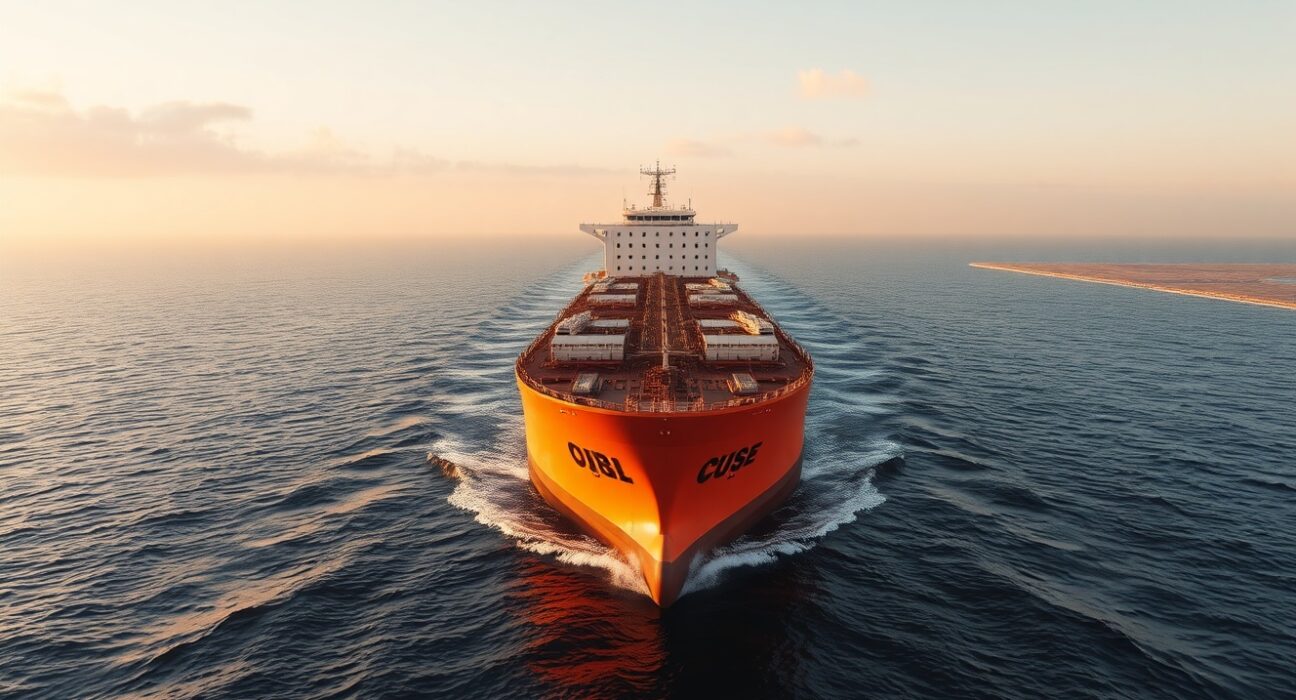
West Texas Intermediate (WTI) crude oil prices remain resilient as stalled negotiations between the United States and Iran, coupled with ongoing disruptions in the Strait of Hormuz, continue to fuel supply concerns. The market’s focus has shifted to geopolitical risks in the Middle East, where a significant portion of global oil transit faces potential bottlenecks. This analysis explores the factors underpinning WTI’s strength and what traders should watch in the coming weeks.
WTI Crude Oil Prices Hold Steady Amid Geopolitical Tensions
WTI crude oil futures have held above key support levels this week, trading near $78 per barrel. The primary catalyst remains the lack of progress in US-Iran nuclear talks. Diplomats have failed to reach a consensus on uranium enrichment limits and sanctions relief. This deadlock keeps Iranian oil exports—estimated at 1.5 million barrels per day (bpd)—off the global market. Without a deal, supply remains tighter than expected.
Additionally, the Strait of Hormuz, a critical chokepoint for about 21 million bpd, faces renewed disruptions. Recent incidents involving naval vessels and oil tankers have raised insurance premiums for transiting ships. Some operators have rerouted cargoes, adding days to delivery times. These factors collectively support WTI prices, preventing a significant pullback despite weaker demand signals from China.
US-Iran Talks: Stalled Diplomacy and Market Impact
The latest round of US-Iran negotiations ended without a breakthrough. Iranian officials demand full removal of sanctions before any nuclear commitments. The US insists on verified compliance first. This impasse has persisted for months. For oil markets, it means Iranian crude remains largely inaccessible. Analysts estimate that a deal could add 1 million bpd to global supply within six months. Without it, the market must rely on OPEC+ production increases, which have been slower than planned.
Key factors in the stalled talks:
- Iran’s uranium enrichment levels exceed 60%, close to weapons-grade threshold
- US demands IAEA access to undeclared sites
- Iran seeks removal of IRGC from terrorist list
- No new negotiation rounds scheduled
These unresolved issues create a persistent risk premium in WTI pricing. Traders now price in a low probability of a near-term deal.
Strait of Hormuz Disruptions: A Persistent Supply Threat
The Strait of Hormuz remains a flashpoint. Recent disruptions include the seizure of a commercial tanker by Iranian authorities and a mine explosion near a US naval vessel. These events have not directly reduced oil flows, but they have increased operational risks. Shipping companies now demand war risk premiums for voyages through the strait. Some insurers have excluded coverage for certain cargoes.
Disruption timeline and effects:
| Date | Event | Impact on WTI |
|---|---|---|
| March 2025 | Iran seizes tanker | +1.2% intraday |
| April 2025 | Mine explosion near US ship | +0.8% intraday |
| May 2025 | Insurance premiums double | Sustained support |
These disruptions underscore the strait’s vulnerability. Any significant blockade could remove 20% of global supply overnight. WTI’s current price reflects this tail risk.
Expert Analysis: Supply Risks Outweigh Demand Concerns
Energy analysts at major investment banks maintain a bullish outlook on WTI. They argue that supply risks from the Middle East outweigh weaker demand from Asia. The International Energy Agency (IEA) recently revised its global demand growth forecast down by 200,000 bpd. Yet, the supply disruption premium has kept prices elevated. One senior analyst noted, “The market is pricing in a 15-20% probability of a significant Hormuz disruption. That alone adds $5-7 per barrel to WTI.”
Moreover, US shale production growth has slowed. Drilling activity has declined for three consecutive months. This limits the ability to offset any supply loss from Iran or Hormuz. Inventories at Cushing, Oklahoma, the WTI delivery point, have fallen to 32 million barrels—the lowest since 2022. This tightness provides additional price support.
Market Outlook: What to Watch for WTI Crude Oil
Traders should monitor several key indicators in the coming weeks. First, any progress in US-Iran talks could trigger a sharp sell-off. A deal might add 1 million bpd within months. Second, the US Navy’s presence in the Persian Gulf may deter further disruptions. However, Iran’s Revolutionary Guard has a history of asymmetric tactics. Third, OPEC+ meeting scheduled for June will decide on production quotas. The group may accelerate increases to calm markets.
Key levels for WTI crude oil:
- Support: $75 per barrel (200-day moving average)
- Resistance: $82 per barrel (April 2025 high)
- Breakout trigger: $85 per barrel if Hormuz disruption escalates
Volatility remains elevated. The CBOE Crude Oil Volatility Index (OVX) stands at 38, above its 12-month average of 32. This indicates traders expect large price swings.
Conclusion
WTI crude oil holds firm as stalled US-Iran talks and Hormuz Strait disruptions continue to support prices. The combination of geopolitical uncertainty, physical supply threats, and declining US inventories creates a bullish backdrop. However, a sudden diplomatic breakthrough or OPEC+ action could reverse gains quickly. Traders must remain vigilant. The WTI crude oil market remains in a delicate balance between supply risks and demand uncertainties.
FAQs
Q1: Why are WTI crude oil prices rising despite weaker global demand?
Supply risks from stalled US-Iran talks and Hormuz Strait disruptions outweigh demand concerns. These geopolitical factors add a risk premium to prices.
Q2: How would a US-Iran nuclear deal affect WTI prices?
A deal could release 1 million bpd of Iranian oil into the market, potentially lowering WTI prices by $5-10 per barrel in the short term.
Q3: What is the Strait of Hormuz and why does it matter for oil?
It is a narrow waterway between Iran and Oman through which about 21 million bpd of oil passes. Any disruption can spike global prices.
Q4: Can US shale production offset potential supply losses?
Not fully. US shale output growth has slowed due to declining drilling activity. Inventories at Cushing are also low, limiting buffer capacity.
Q5: What is the next major event for WTI traders to watch?
The OPEC+ meeting in June and any resumption of US-Iran talks. Both could significantly alter supply dynamics and price direction.
Disclaimer: The information provided is not trading advice, Bitcoinworld.co.in holds no liability for any investments made based on the information provided on this page. We strongly recommend independent research and/or consultation with a qualified professional before making any investment decisions.
