

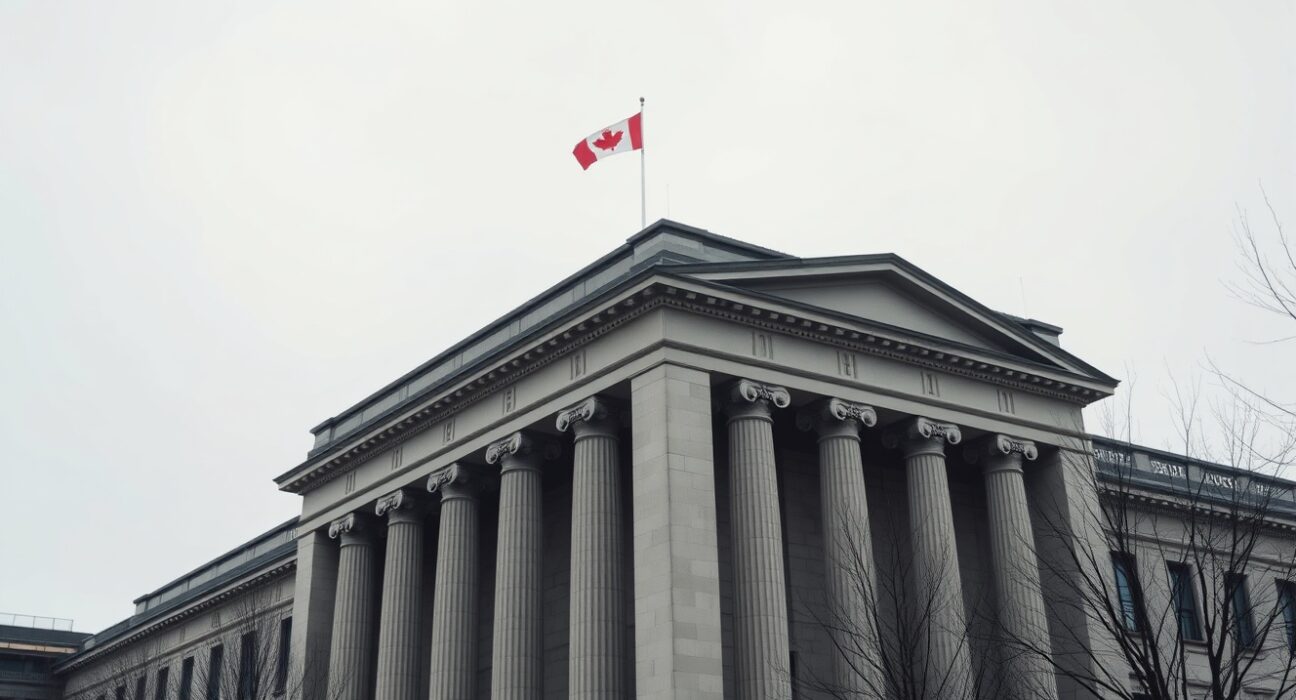
The Bank of Canada (BoC) is widely expected to maintain its current interest rate at the upcoming policy meeting. This decision comes as policymakers seek more clarity on the escalating US-Iran war and its potential impact on the global economy. Analysts predict a period of cautious观望, with no immediate changes to the benchmark rate.
Bank of Canada Interest Rate Decision: A Calculated Pause
The BoC’s decision to hold rates steady reflects a complex balancing act. On one hand, domestic inflation remains above the 2% target. On the other hand, the geopolitical shock from the US-Iran war introduces significant downside risks to economic growth. The central bank must weigh these competing pressures carefully.
According to recent economic data, Canada’s GDP growth slowed to 1.2% in the last quarter. Consumer spending has also softened. The housing market shows signs of cooling. These factors support a rate hold. However, the war could disrupt global supply chains. It could also push energy prices higher. This would reignite inflationary pressures.
Impact of the US-Iran War on Canadian Monetary Policy
The US-Iran war introduces a new layer of uncertainty for the BoC. Historically, geopolitical conflicts lead to higher oil prices. Canada, as a major oil exporter, could see a short-term economic boost. Yet, the overall effect is often negative. Higher energy costs reduce consumer purchasing power. They also increase business operating expenses.
The conflict also threatens global trade. Shipping routes in the Persian Gulf face disruption. This could delay deliveries and raise costs for Canadian importers. The BoC must monitor these developments closely. Any sustained increase in inflation could force the central bank to reconsider its pause.
Key Economic Indicators Under Watch
- Inflation rate: Currently at 2.7%, above the 2% target.
- GDP growth: Slowed to 1.2% in Q4 2024.
- Unemployment rate: Stable at 5.8%.
- Oil prices: Volatile, with West Texas Intermediate (WTI) fluctuating between $75 and $85 per barrel.
- Consumer confidence: Declining due to geopolitical uncertainty.
Expert Analysis: The Path Forward for the BoC
Economists remain divided on the BoC’s next move. Some argue that the central bank should cut rates to stimulate growth. Others believe that holding rates is prudent until the geopolitical situation clarifies. The consensus, however, points to a prolonged pause.
“The BoC is in a wait-and-see mode,” says Dr. Emily Carter, a monetary policy expert at the University of Toronto. “The US-Iran war creates too much uncertainty. The central bank needs more data before making any move.”
The BoC’s next policy statement will be closely scrutinized. Markets will look for any shift in language. A more dovish tone could signal future rate cuts. A hawkish stance would indicate ongoing concern about inflation.
Comparing the BoC to Other Central Banks
The BoC’s stance aligns with other major central banks. The US Federal Reserve also paused its rate hiking cycle. The European Central Bank is similarly cautious. This global trend reflects the shared uncertainty caused by the US-Iran war.
| Central Bank | Current Rate | Recent Action | Outlook |
|---|---|---|---|
| Bank of Canada | 4.50% | Hold | Cautious |
| US Federal Reserve | 5.25% | Hold | Data-dependent |
| European Central Bank | 4.00% | Hold | Watchful |
| Bank of England | 5.25% | Hold | Inflation-focused |
Timeline of the US-Iran War and Its Economic Effects
The conflict began in late 2024. It escalated rapidly. The following timeline highlights key events and their economic impact:
- November 2024: US military strikes on Iranian nuclear facilities. Oil prices surge 15%.
- December 2024: Iran retaliates by disrupting shipping in the Strait of Hormuz. Global supply chains face severe disruptions.
- January 2025: Ceasefire negotiations fail. The conflict intensifies. Central banks worldwide adopt a cautious stance.
- February 2025: The BoC holds rates steady, citing geopolitical uncertainty.
The war’s economic impact is far-reaching. It affects energy prices, trade, and investor confidence. The BoC must navigate this complex landscape.
What This Means for Canadian Consumers and Businesses
The BoC’s rate hold has direct implications for Canadians. Borrowing costs remain high. Mortgage rates stay elevated. This pressures homeowners and potential buyers. Businesses face higher financing costs. This may delay investment and hiring.
However, the hold also provides stability. It prevents further tightening that could stifle growth. The BoC’s message is clear: it will not act until the US-Iran war situation becomes clearer.
Conclusion
The Bank of Canada is set to maintain its current interest rate as it awaits more insight into the US-Iran war. This cautious approach reflects the central bank’s commitment to balancing inflation control with economic growth. The decision provides temporary stability, but the path forward remains uncertain. Canadian consumers and businesses should prepare for continued volatility. The BoC will act decisively once the geopolitical landscape clarifies.
FAQs
Q1: Why is the Bank of Canada holding interest rates steady?
The BoC is holding rates due to significant uncertainty caused by the US-Iran war. The conflict could disrupt global trade and energy markets, making it difficult to predict the economic outlook. The central bank needs more data before adjusting policy.
Q2: How does the US-Iran war affect Canadian interest rates?
The war introduces both inflationary and recessionary risks. Higher oil prices could boost inflation, while supply chain disruptions could slow growth. The BoC must weigh these factors, leading to a cautious stance.
Q3: Will the Bank of Canada cut rates in 2025?
It depends on the evolution of the US-Iran war and its economic impact. If the conflict escalates and causes a severe economic downturn, the BoC may cut rates. However, if inflation remains persistent, it may hold or even raise rates.
Q4: How does the BoC’s decision affect mortgage rates?
The BoC’s rate hold means that variable mortgage rates will likely remain unchanged. Fixed mortgage rates are influenced by bond yields, which are also affected by geopolitical uncertainty. Borrowers should expect continued volatility.
Q5: What should Canadian investors do during this period of uncertainty?
Investors should focus on diversification and long-term strategies. Defensive sectors like energy and utilities may perform well. It is also wise to hold cash for opportunities that may arise from market volatility.
Disclaimer: The information provided is not trading advice, Bitcoinworld.co.in holds no liability for any investments made based on the information provided on this page. We strongly recommend independent research and/or consultation with a qualified professional before making any investment decisions.
