

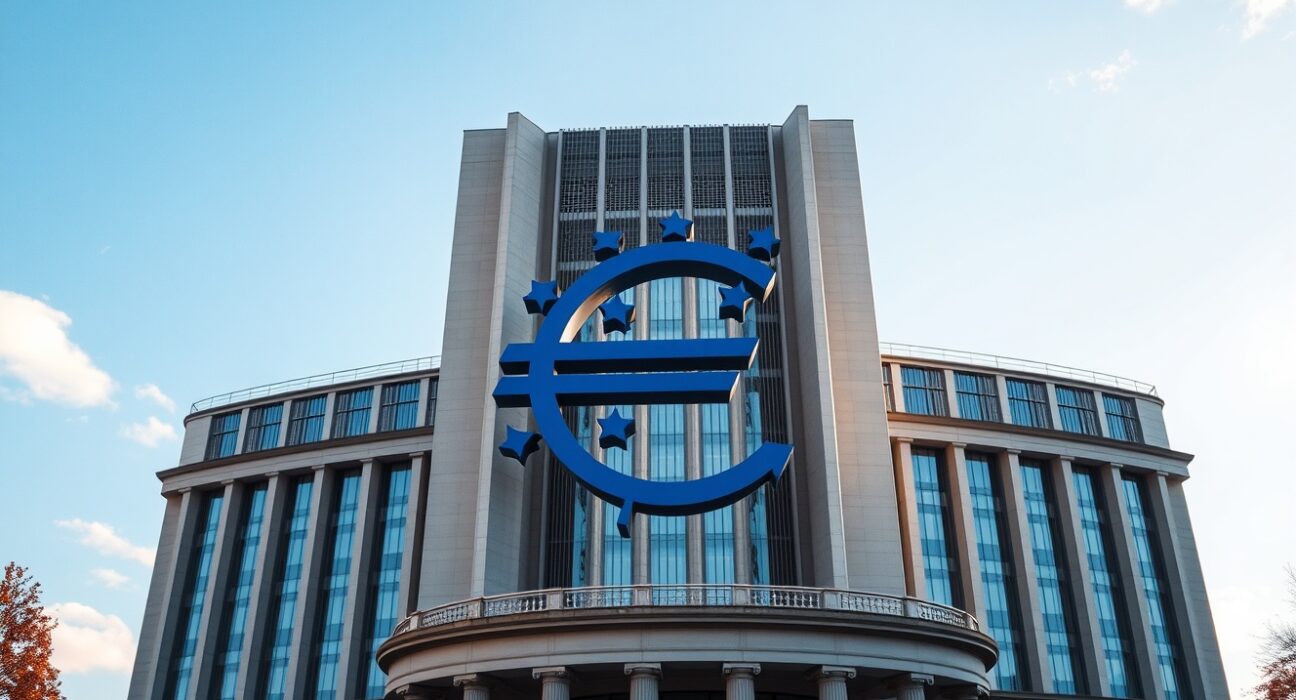
The European Central Bank (ECB) faces a critical decision this week. Analysts at TD Securities predict the ECB will hold interest rates steady. However, they also warn of significant hawkish risks. This stance reflects persistent inflationary pressures within the Eurozone. Investors and policymakers alike watch this meeting closely.
ECB Expected to Hold Rates Amidst Hawkish Risks
TD Securities released a detailed note on the upcoming ECB meeting. The firm expects the central bank to maintain its current interest rate. This decision comes after a series of aggressive rate hikes. The ECB previously raised rates to combat soaring inflation. Now, the central bank enters a new phase. It must balance price stability with economic growth.
The hawkish risks TD Securities identifies stem from several factors. First, core inflation remains stubbornly high. Service sector inflation shows particular stickiness. Second, wage growth in the Eurozone continues to accelerate. This trend fuels concerns about a wage-price spiral. Third, the ECB’s own survey of professional forecasters shows elevated inflation expectations.
Key factors driving the hawkish outlook include:
- Persistent core inflation above 5%
- Rising wage demands from labor unions
- Geopolitical tensions affecting energy prices
- Supply chain disruptions from Red Sea attacks
- Stronger-than-expected economic activity in Q1
TD Securities Analysis of ECB Monetary Policy
TD Securities economists provide a thorough analysis. They argue the ECB will hold rates at 4.0%. This level represents the highest deposit rate in the ECB’s history. The decision signals a cautious approach. Policymakers want more data before making further moves.
The firm’s report highlights the ECB’s communication challenge. President Christine Lagarde must balance two messages. First, she must acknowledge progress on inflation. Second, she must emphasize the need for vigilance. This balancing act carries hawkish risks. Any hint of premature easing could fuel market expectations.
Table: ECB Interest Rate Path (2023-2024)
| Date | Decision | Deposit Rate |
|---|---|---|
| June 2023 | Hike | 3.50% |
| September 2023 | Hike | 4.00% |
| December 2023 | Hold | 4.00% |
| March 2024 | Hold | 4.00% |
| June 2024 (Expected) | Hold | 4.00% |
Hawkish Risks: What TD Securities Sees
The hawkish risks TD Securities identifies are not minor. They represent a real possibility of further tightening. The firm outlines several scenarios. The most likely outcome is a hold with hawkish language. However, a rate hike remains possible if data surprises to the upside.
One major risk involves the ECB’s balance sheet. The central bank continues to reduce its asset holdings. This quantitative tightening process adds to monetary restraint. TD Securities notes this creates an additional tightening effect. Markets may underestimate this impact.
Another risk comes from the Eurozone’s fiscal situation. Several member states carry high debt levels. Higher interest rates increase borrowing costs. This dynamic could create financial stability concerns. The ECB must monitor these risks carefully.
Expert Perspective on ECB Decision
Financial analysts provide additional context. Many agree with TD Securities’ assessment. The consensus view holds that the ECB will stay on hold. However, the tone of the statement matters greatly. A hawkish hold could still move markets.
“The ECB faces a difficult balancing act,” says one market strategist. “Inflation is coming down, but not fast enough. The central bank cannot declare victory yet.” This sentiment echoes TD Securities’ analysis. The firm expects the ECB to maintain a cautious stance.
The impact extends beyond interest rates. Currency markets react to ECB decisions. The euro could strengthen if the ECB sounds hawkish. Bond yields may rise as well. Equity markets might face headwinds from higher rates.
Eurozone Economic Context and Inflation Outlook
The Eurozone economy shows mixed signals. GDP growth remains weak but positive. The manufacturing sector continues to contract. Services activity shows more resilience. This uneven recovery complicates the ECB’s task.
Inflation data provides the key input. Headline inflation fell to 2.4% in March. Core inflation stands at 2.9%. Both figures remain above the ECB’s 2% target. Services inflation proves particularly stubborn at 4.0%. This component responds slowly to monetary policy.
Current Eurozone inflation breakdown:
- Headline CPI: 2.4% year-on-year
- Core CPI: 2.9% year-on-year
- Services: 4.0% year-on-year
- Energy: -1.8% year-on-year
- Food: 2.7% year-on-year
Wage growth adds to inflationary pressures. Negotiated wages rose 4.5% in Q4 2023. This trend continues into 2024. Higher wages boost consumer spending. They also increase business costs. Companies may pass these costs to consumers.
Market Implications of ECB Rate Decision
Financial markets price in the ECB’s expected hold. Investors focus on the forward guidance. Any change in language could trigger volatility. TD Securities advises clients to prepare for multiple scenarios.
Bond markets show particular sensitivity. German Bund yields reflect rate expectations. A hawkish hold could push yields higher. This move would tighten financial conditions further. The ECB might welcome this effect.
Currency traders watch the euro-dollar pair. The euro trades near $1.08 against the dollar. A hawkish ECB could boost the euro. A dovish surprise might weaken it. The outcome depends on the exact wording of the statement.
Stock markets face mixed signals. Higher rates hurt growth stocks. They benefit financial stocks through higher margins. The overall impact depends on economic growth expectations. A hawkish hold might dampen equity sentiment.
Comparing ECB with Other Central Banks
The ECB’s position differs from other major central banks. The Federal Reserve also holds rates steady. However, the Fed faces different inflation dynamics. US inflation proves more persistent. The Bank of England deals with similar challenges.
TD Securities compares these approaches. The ECB appears more cautious than the Fed. European inflation peaked later than US inflation. This timing difference affects policy decisions. The ECB may need to maintain higher rates for longer.
Central bank rate comparison:
- ECB: 4.00% deposit rate
- Federal Reserve: 5.50% federal funds rate
- Bank of England: 5.25% bank rate
- Bank of Japan: 0.10% policy rate
The Bank of Japan recently ended negative rates. This shift marks a significant change. Global monetary policy continues to diverge. Each central bank responds to its domestic conditions.
Historical Context of ECB Rate Decisions
The ECB’s current cycle began in July 2022. The central bank raised rates from -0.50% to 4.00%. This represents the fastest tightening in ECB history. The pace of hikes slowed in late 2023. Now, the ECB enters a holding pattern.
Previous tightening cycles provide lessons. The ECB raised rates in 2011 during the debt crisis. That move proved premature. Inflation subsequently fell below target. The ECB later reversed course. This history influences current thinking.
TD Securities notes the ECB’s learning process. The central bank now emphasizes data dependence. Forward guidance carries less weight. Policymakers want flexibility to respond to new information. This approach reduces the risk of policy errors.
Impact on Eurozone Economy and Consumers
Higher interest rates affect the real economy. Mortgage rates rise across the Eurozone. Housing markets show signs of cooling. Business investment slows due to higher borrowing costs. Consumer spending faces headwinds from higher loan payments.
The impact varies by country. Germany’s export-oriented economy feels the pinch. Southern European countries face higher debt costs. France benefits from fixed-rate mortgages. These differences complicate the ECB’s one-size-fits-all policy.
Savings rates increase with higher interest. Households earn more on deposits. This income effect offsets some spending reduction. However, the net effect remains contractionary. The ECB must judge when to ease policy.
Conclusion
The ECB expected to hold rates with hawkish risks, according to TD Securities. This assessment reflects the complex economic environment. Inflation remains above target. Growth stays weak. The ECB must navigate these competing pressures carefully. Investors should prepare for a cautious central bank. The hawkish risks mean rate cuts remain distant. The ECB’s next moves will depend on incoming data. Markets will watch the statement and press conference closely. The ECB interest rate decision carries significant implications for the Eurozone economy.
FAQs
Q1: What does it mean when the ECB is expected to hold rates?
A hold means the ECB keeps its key interest rates unchanged. This decision signals the central bank sees no immediate need to change monetary policy. The current deposit rate remains at 4.00%.
Q2: What are hawkish risks in the context of the ECB?
Hawkish risks refer to the possibility the ECB may need to raise rates further. These risks stem from persistent inflation, rising wages, and strong economic data. A hawkish stance prioritizes fighting inflation over supporting growth.
Q3: How does TD Securities analyze the ECB decision?
TD Securities uses economic models and data analysis. The firm examines inflation trends, wage growth, and financial conditions. Its analysts provide detailed forecasts for rate decisions and market impacts.
Q4: What impact does the ECB rate decision have on the euro?
A hawkish ECB decision typically strengthens the euro. Higher rates attract foreign investment. A dovish decision weakens the currency. The exact impact depends on the market’s expectations versus the actual outcome.
Q5: When might the ECB start cutting interest rates?
Most analysts expect the first rate cut in late 2024 or early 2025. The timing depends on inflation data. The ECB needs confidence that inflation will sustainably return to 2%. TD Securities suggests cuts remain distant due to hawkish risks.
Disclaimer: The information provided is not trading advice, Bitcoinworld.co.in holds no liability for any investments made based on the information provided on this page. We strongly recommend independent research and/or consultation with a qualified professional before making any investment decisions.
