

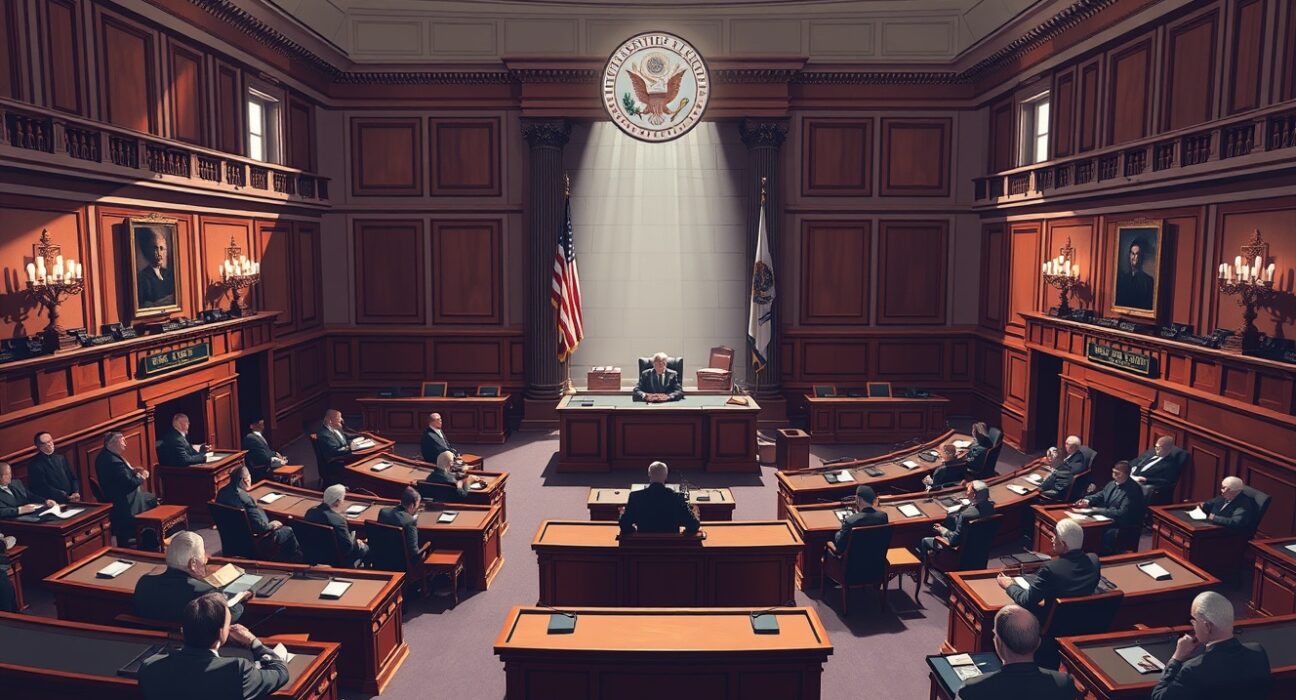
The U.S. Senate unanimously passed a landmark rule on April 30, 2025, banning its members from trading on prediction markets. This decision, reported by CNBC, takes effect immediately. The ban targets platforms like Kalshi and Polymarket, where event contracts on political outcomes and other topics have surged in popularity.
Senate Prediction Market Ban: Key Details
The new rule prohibits senators from participating in any prediction market, including those offering contracts on elections, economic data, and even death or violence events. The vote was 100-0, reflecting bipartisan consensus on the need for stricter ethics oversight.
Senators cited growing concerns about insider trading. Unlike traditional stock markets, prediction markets allow bets on non-financial events. This creates unique opportunities for lawmakers to profit from non-public information.
Key provisions of the ban include:
- Immediate prohibition on all trading activity by senators on prediction platforms.
- Requirement for senators to divest any existing positions within 30 days.
- Penalties for violations, including fines and potential ethics committee referrals.
Insider Trading Concerns Drive the Ban
The move follows multiple reports of lawmakers potentially using confidential information on platforms like Kalshi and Polymarket. These platforms offer event contracts on everything from Federal Reserve rate decisions to Supreme Court rulings.
Senator Elizabeth Warren, a vocal advocate for the ban, stated, ‘Prediction markets present a clear conflict of interest. Members of Congress should not profit from bets on events they can influence.’
The ban also addresses contracts related to death and violence, which critics argue are morally objectionable. Platforms like Polymarket have faced scrutiny for listing contracts on assassination risks and natural disasters.
Comparison: Prediction Markets vs. Stock Trading
| Aspect | Prediction Markets | Stock Markets |
|---|---|---|
| Underlying Assets | Event contracts (e.g., election results) | Company shares, bonds, ETFs |
| Insider Trading Risk | High — lawmakers control events | Moderate — SEC enforcement exists |
| Current Senate Rules | Banned under new rule | Allowed with disclosure (STOCK Act) |
Impact on Kalshi and Polymarket
The ban immediately affects platforms like Kalshi, a CFTC-regulated exchange, and Polymarket, a decentralized crypto-based platform. Both have seen explosive growth in 2025, with combined trading volumes exceeding $10 billion.
Kalshi issued a statement expressing disappointment, arguing that prediction markets provide valuable data. Polymarket has not yet commented on the Senate’s decision.
Industry analysts predict a shift in user demographics. Retail traders may still access these platforms, but the loss of politically connected participants could reduce liquidity.
Broader Regulatory Context
The Senate’s action aligns with ongoing efforts by the Commodity Futures Trading Commission (CFTC) to tighten oversight of event contracts. In 2024, the CFTC proposed rules to ban certain political and disaster-related contracts.
This ban also echoes the STOCK Act of 2012, which prohibited insider trading by members of Congress in traditional securities. However, prediction markets were not explicitly covered until now.
Timeline of key events:
- 2012: STOCK Act signed into law, banning insider trading in stocks.
- 2020: Kalshi launches first CFTC-regulated prediction market.
- 2024: CFTC proposes rules to restrict event contracts.
- April 2025: Senate passes unanimous ban on member trading.
Expert Analysis: What This Means for Democracy
Political ethics experts applaud the ban as a necessary step. Dr. Sarah Jenkins, a professor of government at Georgetown University, explains, ‘Prediction markets create perverse incentives. Lawmakers could theoretically bet on policy failures and profit from them.’
However, some economists argue that prediction markets offer valuable forecasting tools. The ban may reduce the accuracy of these markets, which have historically outperformed polls in predicting elections.
Conclusion
The Senate prediction market ban represents a significant shift in congressional ethics. By unanimously passing this rule, senators have signaled that insider trading risks in emerging financial instruments will not be tolerated. The immediate effect on platforms like Kalshi and Polymarket underscores the growing regulatory scrutiny on event contracts. As the CFTC continues its rulemaking, the future of prediction markets in the U.S. remains uncertain.
FAQs
Q1: Does the Senate prediction market ban apply to House members?
The rule currently applies only to senators. The House of Representatives has not yet passed a similar measure, though discussions are underway.
Q2: Can senators trade on decentralized platforms like Polymarket?
Yes, the ban covers all prediction markets, including decentralized ones. Senators must divest any positions within 30 days.
Q3: What penalties exist for violating the ban?
Violations may result in fines, ethics committee referrals, and potential criminal charges if insider trading is proven.
Q4: Will this ban affect retail traders?
No, the ban only applies to U.S. senators. Retail traders can still participate in prediction markets, subject to platform terms and CFTC regulations.
Q5: Are there any exemptions for academic research?
No exemptions are currently listed. Senators cannot trade even for research purposes under the new rule.
Disclaimer: The information provided is not trading advice, Bitcoinworld.co.in holds no liability for any investments made based on the information provided on this page. We strongly recommend independent research and/or consultation with a qualified professional before making any investment decisions.
