

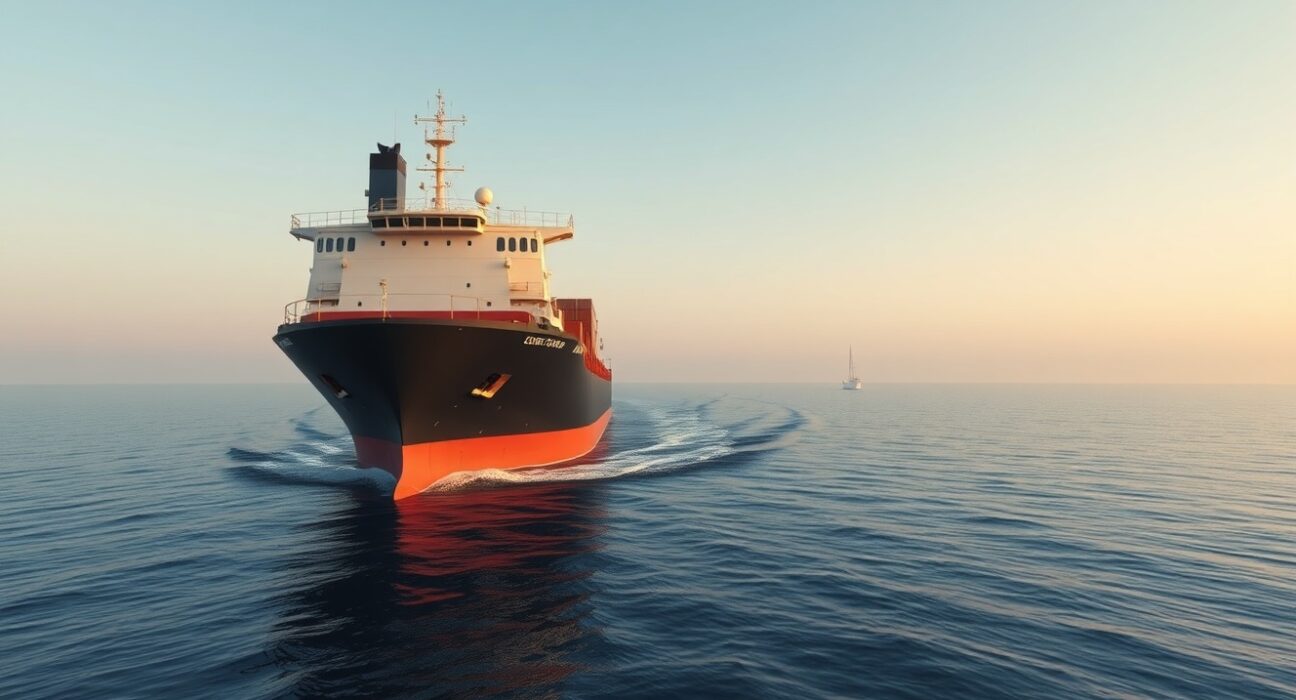
President Donald Trump announced on May 4 that the United States will launch a humanitarian operation to guide neutral ships trapped in the Strait of Hormuz, following requests from multiple nations. The initiative, named ‘Project Freedom,’ begins on the morning of May 4, Middle East time. Trump emphasized that the vessels are not involved in the regional conflict and face critical shortages of food and supplies.
Trump Announces ‘Project Freedom’ for Blockaded Ships
The U.S. delegation is engaged in ‘very positive’ discussions with Iran, Trump stated. He described the operation as a humanitarian measure benefiting the U.S., the Middle East, and especially Iran. Many ships carry large crews struggling with dwindling provisions. The move signals a potential de-escalation in one of the world’s most strategic waterways.
Trump warned that any interference with the humanitarian process would trigger a strong response. The announcement comes amid heightened tensions in the region, where nearly 20% of global oil transits daily.
Background: The Strait of Hormuz Blockade
The Strait of Hormuz connects the Persian Gulf to the Arabian Sea. It is a critical chokepoint for oil tankers and cargo vessels. Recent geopolitical tensions led to the detention of multiple ships by Iranian forces. These vessels, flagged under various nations, are neutral parties in the ongoing conflict.
International maritime law protects neutral shipping. However, enforcement has been inconsistent. The U.S. Navy’s Fifth Fleet, based in Bahrain, now coordinates the safe passage. Project Freedom involves naval escorts, communication protocols, and supply deliveries to stranded crews.
Humanitarian Impact on Crews and Trade
Thousands of seafarers face dire conditions. Food, fresh water, and medical supplies are running low. The International Maritime Organization (IMO) reports that prolonged blockades risk humanitarian crises. Trump’s announcement aligns with calls from the United Nations for immediate relief.
Global trade routes depend on the Strait’s free navigation. Disruptions affect energy prices, supply chains, and regional stability. The operation aims to restore confidence in maritime security.
Positive Iran Talks: A Diplomatic Window
Trump’s reference to ‘very positive’ discussions with Iran marks a shift in tone. Previous U.S.-Iran relations were strained over nuclear deals and sanctions. The talks reportedly focus on mutual interests, including maritime security and humanitarian access.
Iranian officials have not publicly confirmed the talks. However, analysts note that Iran benefits from avoiding a broader conflict. The operation could pave the way for broader negotiations on regional stability.
Expert Analysis: Geopolitical and Economic Ramifications
Dr. Sarah Jenkins, a Middle East security expert at the Atlantic Council, calls the move ‘a calculated humanitarian gesture.’ She notes that it reduces immediate risks without requiring major concessions. ‘It buys time for diplomatic channels,’ she explains.
Economically, the operation stabilizes oil markets. Brent crude futures dropped 2% after the announcement. Shipping insurance premiums for Gulf routes may also decline. The long-term impact depends on Iran’s compliance and the operation’s success.
Timeline of Key Events
- May 1: Multiple nations request U.S. assistance for trapped ships.
- May 3: U.S. delegation begins talks with Iranian representatives.
- May 4: Trump announces Project Freedom; operation begins.
- May 5: First convoy of ships expected to exit the Strait.
This timeline underscores the rapid response. The operation is unprecedented in scale and coordination.
Project Freedom: Operational Details
The U.S. Navy will deploy destroyers and support vessels. Each ship will receive a safe corridor, communication frequencies, and escort. Crews will receive emergency supplies before departure.
Trump stressed that the operation is purely humanitarian. ‘We are not taking sides,’ he said. ‘We are saving lives.’ The Pentagon confirmed that no combat operations are planned unless provoked.
Risks and Contingencies
Iranian patrol boats remain active in the area. Any miscalculation could escalate tensions. The U.S. has established clear rules of engagement. Commanders are authorized to respond to threats proportionally.
International observers, including the Red Cross, may monitor the process. Transparency is key to maintaining trust. The operation’s success could set a precedent for future humanitarian interventions.
Conclusion
Trump’s Strait of Hormuz announcement represents a critical humanitarian intervention. ‘Project Freedom’ addresses immediate needs while opening a diplomatic window with Iran. The operation’s outcome will influence regional stability and global trade. The world watches as the first ships prepare to sail.
FAQs
Q1: What is Project Freedom?
Project Freedom is a U.S.-led humanitarian operation to guide neutral ships out of the Strait of Hormuz, announced by President Trump on May 4.
Q2: Why are ships trapped in the Strait of Hormuz?
Iranian forces blockaded the strait amid regional tensions, detaining vessels flagged under multiple nations. The ships are neutral parties.
Q3: How does the operation work?
The U.S. Navy provides escorts, safe corridors, and emergency supplies to stranded crews. The operation is purely humanitarian.
Q4: Are talks with Iran ongoing?
Yes, Trump confirmed ‘very positive’ discussions with Iran. The talks focus on maritime security and humanitarian access.
Q5: What happens if Iran interferes?
Trump warned of a strong response. The U.S. has established rules of engagement to address any threats proportionally.
Disclaimer: The information provided is not trading advice, Bitcoinworld.co.in holds no liability for any investments made based on the information provided on this page. We strongly recommend independent research and/or consultation with a qualified professional before making any investment decisions.
