

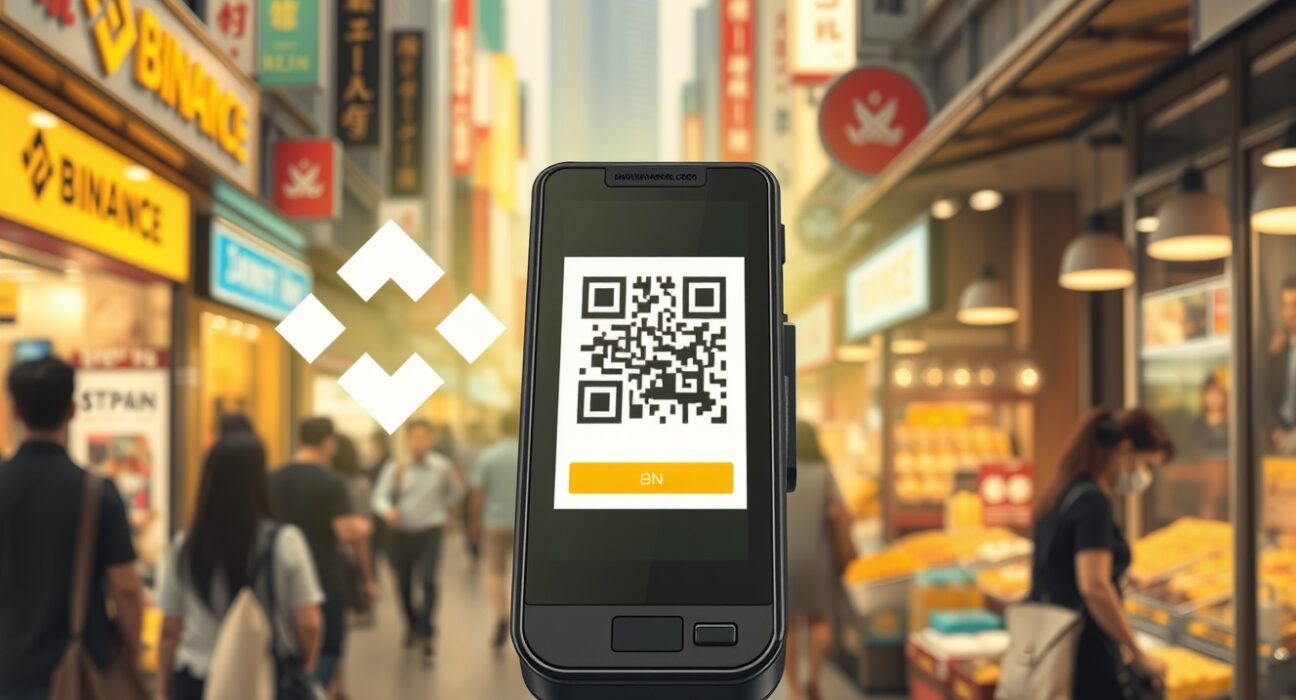
Binance Pay cumulative payments exceed $280 billion, a milestone announced by Binance CEO Richard Teng via X. This figure underscores the rapid growth of cryptocurrency-based payment solutions since the platform’s launch in 2021. The service now facilitates transactions in both online and offline environments, reaching a global user base.
Binance Pay Cumulative Payments Surpass $280 Billion Milestone
Richard Teng revealed that Binance Pay has processed over $280 billion in cumulative payments. This achievement highlights the increasing trust in digital asset transactions. Since its inception, the platform has expanded its infrastructure to support seamless payments across various sectors.
The announcement came as part of a broader update on the company’s payment ecosystem. Teng emphasized that Binance Pay now operates in numerous countries. It enables users to send, receive, and spend cryptocurrencies effortlessly. The service integrates with merchants worldwide, bridging the gap between traditional finance and digital assets.
Global Expansion of QR-Based Payment Service
Binance Pay plans to extend its QR-based payment service to more than 10 countries by the third quarter of this year. This expansion targets regions with high mobile penetration and growing crypto interest. QR payments offer a simple, contactless method for transactions, reducing friction for users.
The company aims to replicate its success in markets like Southeast Asia and Latin America. These regions already show strong adoption of digital wallets. Binance Pay’s QR solution allows merchants to accept crypto without complex infrastructure. Users scan a code, confirm the payment, and the transaction completes in seconds.
How Binance Pay Works in Real-World Scenarios
Binance Pay functions as a non-custodial payment option within the Binance ecosystem. Users fund their Pay wallet from their main account. They then initiate payments to other users or merchants. The system supports multiple cryptocurrencies, including Bitcoin, Ethereum, and Binance Coin.
For offline payments, the QR code system proves particularly effective. A merchant displays a unique QR code at the point of sale. The customer scans it using the Binance app. The app converts the crypto amount to the local fiat currency in real time. This process protects both parties from volatility.
- Speed: Transactions settle within seconds, unlike traditional bank transfers.
- Cost: Fees remain low compared to credit card processing or wire transfers.
- Accessibility: Anyone with a smartphone and a Binance account can participate.
Impact on Global Crypto Adoption and Financial Inclusion
The $280 billion milestone signals a shift in how people use digital currencies. Payments represent a practical use case beyond speculation. When users spend crypto for goods and services, it validates the technology’s utility. This trend encourages more merchants to accept digital assets.
Financial inclusion remains a key benefit. In regions with limited banking infrastructure, Binance Pay offers an alternative. Users do not need a bank account. They only require internet access and a mobile device. This opens economic opportunities for unbanked populations.
Richard Teng noted that Binance Pay’s growth aligns with the company’s mission to increase financial freedom. The platform has processed billions in remittances, payroll, and everyday purchases. These transactions often bypass traditional banking fees and delays.
Competitive Landscape: Binance Pay vs. Traditional Payment Giants
Binance Pay competes with established payment processors like PayPal, Visa, and Mastercard. However, it offers distinct advantages. Crypto transactions are borderless and permissionless. Users can send funds across countries without intermediaries. Settlement occurs on the blockchain, providing transparency.
Traditional systems rely on centralized clearinghouses. They often take days to settle international payments. Binance Pay settles in minutes. This efficiency appeals to businesses with global operations. The platform also integrates with Binance’s broader ecosystem, including the exchange and NFT marketplace.
| Feature | Binance Pay | Traditional Payments |
|---|---|---|
| Settlement Time | Seconds | 1-3 Days |
| Fees | Low (0-1%) | 1.5-3.5% |
| Borderless | Yes | Limited |
| Requires Bank Account | No | Yes |
Security Measures and User Trust
Security remains a priority for Binance Pay. The platform uses multi-factor authentication and encryption. Transactions require user confirmation. Binance also maintains a Secure Asset Fund for Users (SAFU) to cover potential losses. These measures build trust among users and merchants.
Richard Teng highlighted the importance of compliance. Binance Pay operates under regulatory frameworks in various jurisdictions. The company works with local authorities to ensure legal adherence. This approach mitigates risks associated with money laundering and fraud.
User education also plays a role. Binance provides resources on safe payment practices. Users learn to verify QR codes and avoid phishing attempts. These efforts contribute to a secure payment environment.
Future Roadmap: Beyond QR Payments
Binance Pay’s roadmap includes features like recurring payments and invoice management. These additions will serve businesses that need subscription billing. The platform also explores integration with decentralized finance (DeFi) protocols. Users may soon earn yield on idle Pay balances.
The expansion into new countries involves partnerships with local payment gateways. Binance collaborates with merchants to customize the QR solution. This flexibility ensures compatibility with existing point-of-sale systems. The company aims to make crypto payments as easy as using a credit card.
Industry experts view this growth as a positive sign. According to blockchain analyst Maria Chen, ‘Binance Pay’s volume demonstrates that crypto has real-world utility. It moves beyond trading into everyday transactions.’ Such endorsements reinforce the platform’s credibility.
Challenges and Regulatory Hurdles
Despite its success, Binance Pay faces challenges. Regulatory uncertainty in some countries limits expansion. Governments question the risks of crypto payments, including volatility and illicit use. Binance addresses these concerns through proactive compliance and transparency.
Another challenge is merchant adoption. While large retailers accept crypto, small businesses remain hesitant. The volatility of digital assets can deter risk-averse owners. Binance Pay’s real-time conversion to fiat helps mitigate this issue. Merchants receive local currency, avoiding exposure to price swings.
User education also requires ongoing effort. Many consumers still find crypto payments confusing. Binance invests in tutorials and customer support to ease the learning curve. As familiarity grows, adoption should accelerate.
Conclusion
Binance Pay cumulative payments exceed $280 billion, marking a significant milestone in crypto payment adoption. Under Richard Teng’s leadership, the platform continues to expand its QR-based service globally. This growth supports financial inclusion and provides a practical use case for digital currencies. As the company extends to more countries, Binance Pay positions itself as a key player in the future of payments.
FAQs
Q1: What is Binance Pay?
Binance Pay is a contactless, non-custodial payment service within the Binance ecosystem. It allows users to send, receive, and spend cryptocurrencies online and offline.
Q2: How does the QR payment service work?
Merchants display a QR code. Users scan it with the Binance app, confirm the amount, and the transaction settles in seconds. The crypto converts to local fiat automatically.
Q3: Is Binance Pay safe to use?
Yes. Binance Pay uses multi-factor authentication, encryption, and is backed by the Secure Asset Fund for Users (SAFU). Compliance with local regulations adds another layer of security.
Q4: Which countries will get the QR payment service by Q3?
Binance plans to extend the service to more than 10 countries, focusing on regions with high mobile adoption. Specific countries have not been named publicly yet.
Q5: Can I use Binance Pay without a bank account?
Yes. You only need a Binance account and a smartphone. No traditional bank account is required, making it accessible to unbanked populations.
Q6: What cryptocurrencies does Binance Pay support?
Binance Pay supports multiple cryptocurrencies, including Bitcoin, Ethereum, Binance Coin, and several stablecoins. The list varies by region and merchant.
Disclaimer: The information provided is not trading advice, Bitcoinworld.co.in holds no liability for any investments made based on the information provided on this page. We strongly recommend independent research and/or consultation with a qualified professional before making any investment decisions.
