

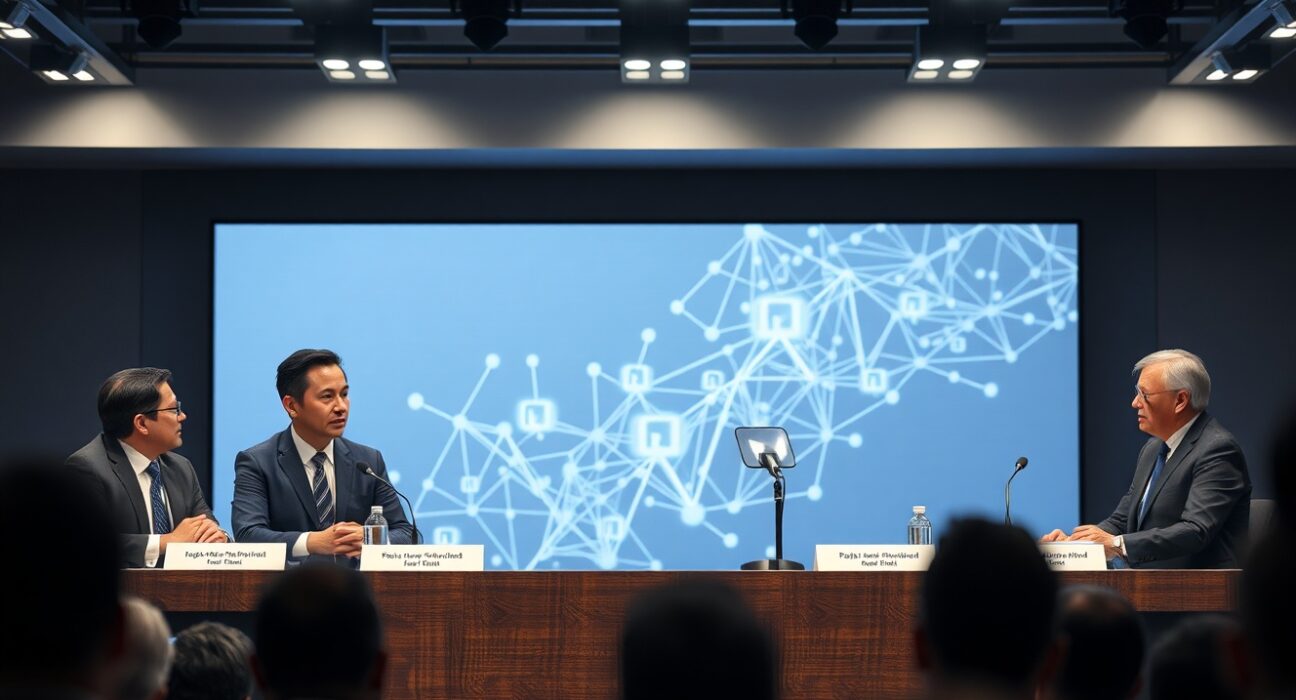
At the Consensys 2026 event, senior executives from Intercontinental Exchange (ICE), OKX, and Securitize issued a stark warning about synthetic stock tokens, stating that many of these digital assets do not represent actual equity and could expose retail investors to significant harm. The remarks, reported by CoinDesk, highlight growing concerns in the crypto industry over the proliferation of unbacked tokenized securities.
The Gap Between Tokens and Real Shares
Securitize founder Carlos Domingo explained that offshore stock tokens often use corporate names without the issuer’s authorization and may have little connection to the underlying shares. He pointed out that while multiple tokenized versions of Coinbase (COIN) stock exist on various platforms, none of them represent actual Coinbase shares. This disconnect between the token and the real asset creates a risky environment for investors who may believe they hold a claim on a company’s equity.
Exchange Caution and Regulatory Hurdles
OKX Global Chief Marketing Officer Haider Rafique stated that the exchange currently has no plans to launch synthetic stock tokens until it can ensure full regulatory compliance. Rafique emphasized that OKX aims to offer products backed by real underlying assets, underscoring the industry’s need for clearer legal frameworks. The warnings come amid recent controversies, including Robinhood’s (HOOD) OpenAI stock token, which was found not to represent actual shares, further eroding trust in such instruments.
Why This Matters for Retail Investors
The lack of regulatory oversight for synthetic tokens means investors may have no legal recourse if the issuer defaults or the token loses value. Unlike traditional securities, these tokens are not backed by the actual company, leaving holders exposed to counterparty risk and potential fraud. The warnings from industry leaders suggest that without stricter regulation, the market for tokenized stocks could undermine investor confidence in digital assets as a whole.
Conclusion
The statements from ICE, OKX, and Securitize at Consensys 2026 serve as a critical reminder for investors to verify the underlying assets of any tokenized stock product. As the crypto industry matures, the push for regulatory clarity and asset-backed offerings is likely to intensify, shaping the future of digital securities and their role in mainstream finance.
FAQs
Q1: What are synthetic stock tokens?
Synthetic stock tokens are digital assets designed to track the price of a company’s stock but are not backed by actual shares of that company. They are often issued on blockchain platforms and may carry significant risks for investors.
Q2: Why are synthetic tokens risky for retail investors?
Because they are not backed by real equity, investors have no ownership rights or legal claim to the underlying company. If the token issuer fails or the token loses value, investors may have little to no recourse.
Q3: Are there any regulated alternatives to synthetic stock tokens?
Yes, some platforms offer tokenized securities that are fully compliant with securities laws and backed by real assets. These are typically issued through regulated digital asset exchanges or security token offerings (STOs).
Disclaimer: The information provided is not trading advice, Bitcoinworld.co.in holds no liability for any investments made based on the information provided on this page. We strongly recommend independent research and/or consultation with a qualified professional before making any investment decisions.
