

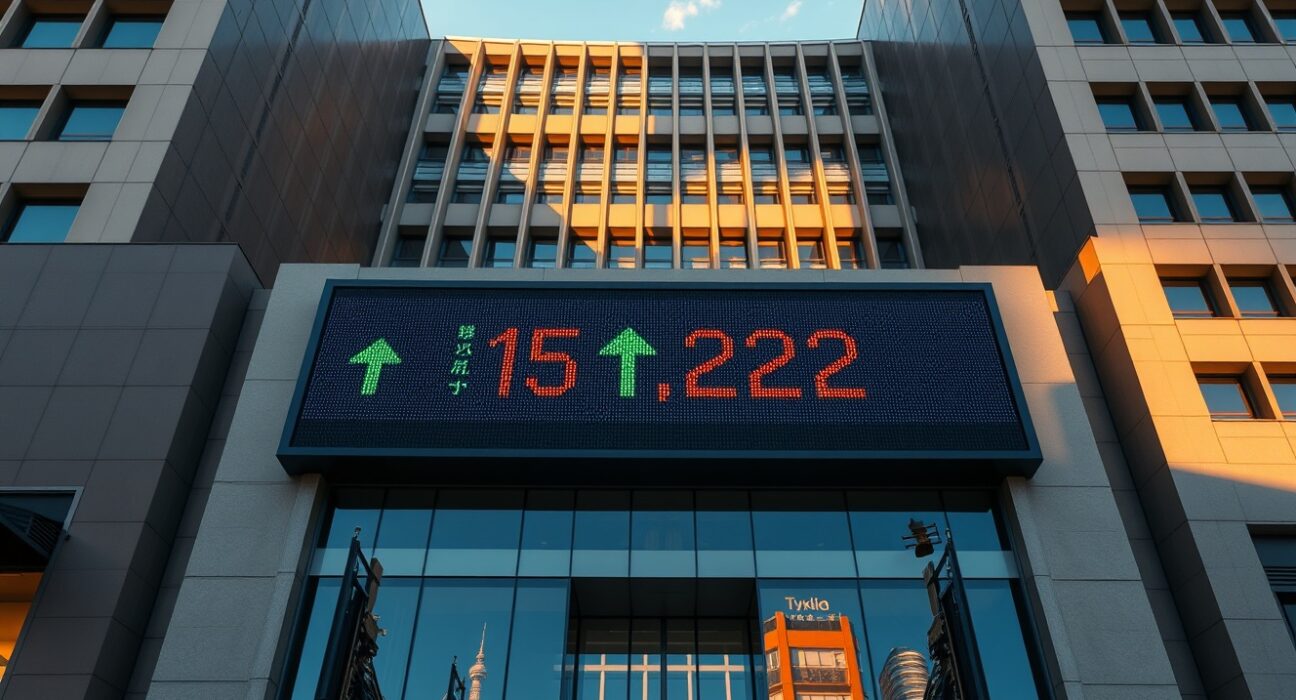
Asian stock markets traded broadly higher on Monday, led by Japan’s Nikkei 225 index which surged to a new all-time high, as investor sentiment was buoyed by a landmark peace agreement between the United States and Iran. The deal, announced over the weekend, is seen as a major de-escalation of geopolitical tensions in the Middle East, reducing the risk premium that has weighed on global equity markets for months.
Peace deal triggers broad regional rally
The Nikkei 225 climbed more than 2% in early trading, surpassing its previous record set in early 2024. The index closed at a fresh peak, driven by gains in export-oriented sectors such as automotive and technology, which are particularly sensitive to geopolitical stability. South Korea’s KOSPI and Australia’s ASX 200 also posted solid gains, rising 1.5% and 1.2% respectively, while Hong Kong’s Hang Seng Index added 1.8% as investor confidence returned.
The peace agreement, brokered through multilateral talks, commits both the US and Iran to a comprehensive framework for diplomatic engagement and economic cooperation, including the lifting of certain sanctions. Market analysts described the deal as a ‘game-changer’ for risk assets, noting that it removes a key source of uncertainty that had suppressed valuations in Asian equities.
Why the Nikkei 225 is leading the charge
Japan’s benchmark index has been a standout performer, benefiting from a weaker yen and strong corporate earnings. The peace deal further boosted sentiment by reducing the likelihood of supply chain disruptions in the Middle East, a critical region for Japanese energy imports. Export-heavy sectors, including electronics and automobiles, saw significant buying interest as traders priced in a more stable operating environment.
Investors also welcomed the deal’s potential to lower oil prices, which would reduce input costs for Japanese manufacturers and improve profit margins. The Nikkei 225’s record high reflects a confluence of favorable factors: robust domestic demand, a supportive monetary policy stance from the Bank of Japan, and now a reduced geopolitical risk premium.
Implications for global investors
The rally in Asian stocks is likely to have a positive spillover effect on European and US markets, which had been cautious ahead of the peace deal announcement. Analysts at major investment banks have upgraded their outlook for emerging Asian markets, citing improved risk appetite and the potential for increased foreign capital inflows.
However, some caution remains. The deal’s implementation timeline and the durability of the agreement are still subject to political dynamics in both Washington and Tehran. Market participants will be watching for concrete steps toward sanctions relief and verification mechanisms.
Conclusion
The US-Iran peace deal marks a pivotal moment for global markets, with Asian equities leading the initial rally. The Nikkei 225’s record high underscores the market’s optimism about reduced geopolitical risk and improved economic prospects. While the sustainability of this rally depends on continued diplomatic progress, the immediate market reaction signals a clear shift in investor sentiment toward risk-on positioning.
FAQs
Q1: What is the US-Iran peace deal?
The US-Iran peace deal is a comprehensive agreement reached through multilateral negotiations that commits both nations to de-escalate tensions, engage in diplomatic dialogue, and cooperate on economic matters, including the lifting of certain sanctions.
Q2: Why did the Nikkei 225 hit a record high?
The Nikkei 225 reached a record high due to a combination of strong corporate earnings, a weaker yen, and the positive market sentiment triggered by the US-Iran peace deal, which reduced geopolitical risks and boosted investor confidence in export-oriented Japanese companies.
Q3: How might this peace deal affect global markets?
The deal is expected to reduce risk premiums across global equity markets, potentially leading to higher valuations in emerging markets and increased foreign investment. Lower oil prices and improved supply chain stability could also benefit manufacturing economies worldwide.
Disclaimer: The information provided is not trading advice, Bitcoinworld.co.in holds no liability for any investments made based on the information provided on this page. We strongly recommend independent research and/or consultation with a qualified professional before making any investment decisions.
