

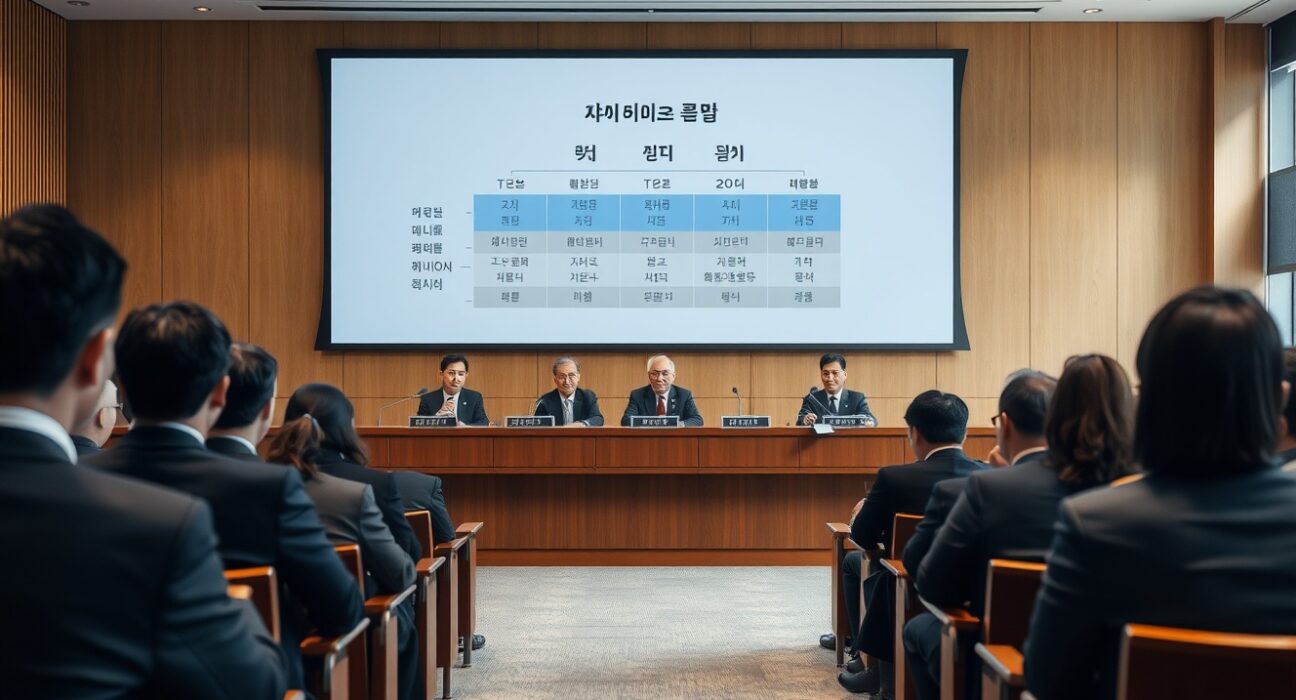
With South Korea’s planned virtual asset tax set to take effect in 2026, leading tax academics have publicly called for a delay, arguing that the system is not ready for implementation. At an emergency review seminar hosted by the Korean Tax Policy Association and People Power Party lawmaker Park Soo-young, experts warned that proceeding with the tax could face significant legal and practical hurdles.
Academics Question the Foundation of the Crypto Tax
Oh Moon-seong, president of the Korean Tax Policy Association, stated that the justification and mechanisms for taxing virtual assets remain insufficient. He argued that the same concerns that led to the abolition of the financial investment income tax in December 2024 — including potential market contraction, inadequate infrastructure, and risks of double taxation — apply equally to cryptocurrency. “It is still too early,” Oh said, emphasizing the need to re-examine the consistency of the taxation system.
Infrastructure Gaps and Enforcement Challenges
A key issue raised at the seminar is the lack of technical infrastructure for identifying tax obligations. While domestic centralized exchanges (CEX) like Upbit and Bithumb can submit transaction data to tax authorities, significant gaps remain. Overseas CEXs, decentralized exchanges (DEX), and decentralized finance (DeFi) platforms are not covered by current reporting mechanisms. This creates enforcement blind spots that could undermine the tax’s effectiveness and fairness.
Why This Matters for Investors and the Market
The outcome of this debate will directly affect South Korea’s active crypto market, one of the largest in the world. If the tax is implemented without addressing these flaws, it could lead to taxpayer resistance, capital outflows, and reduced trading activity. For individual investors, the lack of clarity on how transactions on overseas or decentralized platforms are taxed adds uncertainty. The academics’ call for a delay reflects broader concerns that rushing the policy could do more harm than good.
Conclusion
South Korea’s plan to tax virtual assets faces serious questions from tax policy experts who argue that the system is not yet ready. The debate highlights the tension between the government’s desire to regulate and tax the crypto market and the practical challenges of doing so fairly and effectively. As the 2026 deadline approaches, the government may face increasing pressure to reconsider its timeline.
FAQs
Q1: Why are South Korean academics asking for a delay in the crypto tax?
They argue that the tax lacks sufficient justification and infrastructure, and that it could cause market contraction and double taxation, similar to the issues that led to the repeal of the financial investment income tax.
Q2: What are the main infrastructure gaps mentioned?
Domestic exchanges can report data, but overseas CEXs, DEXs, and DeFi platforms are not covered, making it difficult to track and tax all crypto transactions.
Q3: When is the crypto tax scheduled to take effect in South Korea?
The tax is currently set to take effect in 2026, though academics are urging a delay to address the identified flaws.
Disclaimer: The information provided is not trading advice, Bitcoinworld.co.in holds no liability for any investments made based on the information provided on this page. We strongly recommend independent research and/or consultation with a qualified professional before making any investment decisions.
