

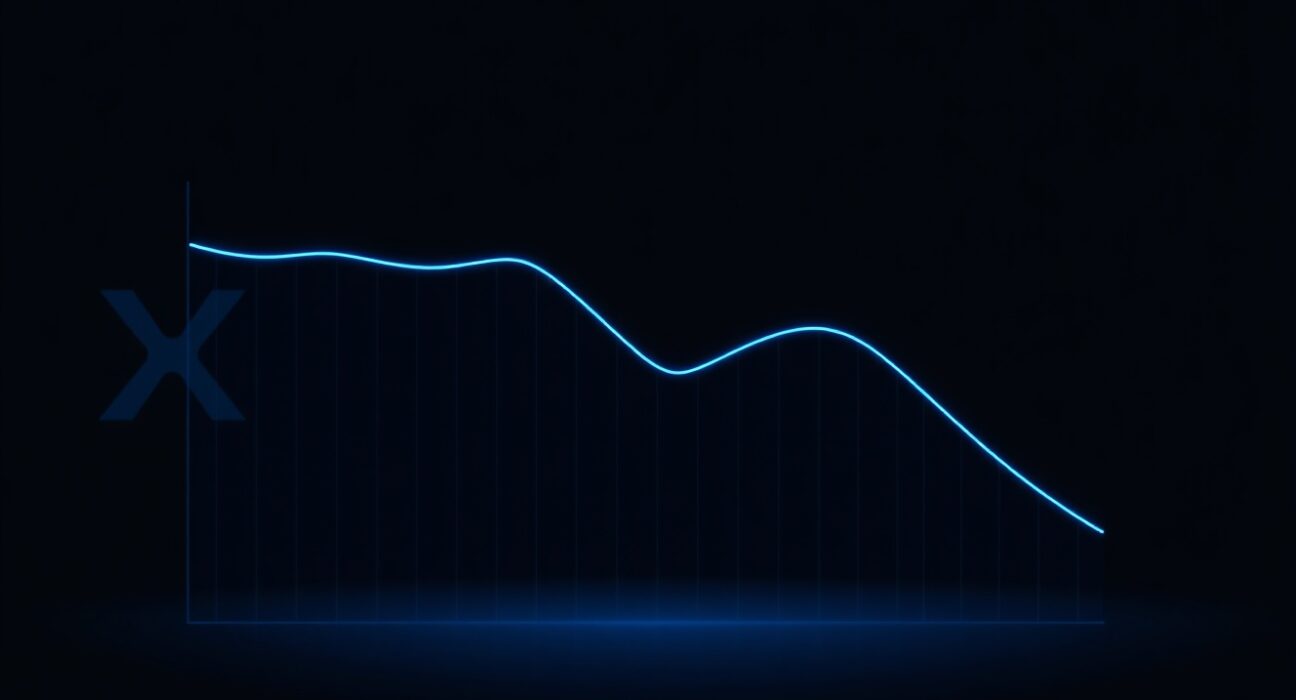
The number of new addresses being created on the XRP network has fallen by 85% since December 2024, signaling a sharp retreat in speculative interest that previously drove the token’s rally. According to on-chain analytics firm Glassnode, the daily average of new XRP addresses has dropped from roughly 18,000 in December to approximately 2,700 today.
On-chain data confirms capital flight
The decline in new addresses is not an isolated metric. Glassnode data also reveals that the monthly active supply of XRP has contracted dramatically over the same period, falling from 7.45 billion XRP to just 2 billion XRP. This suggests that a significant portion of the speculative capital that entered the network during the late-2024 price surge has since exited the market.
When new address creation and active supply both decline in tandem, it typically indicates that retail and short-term traders are losing interest. New addresses are often a proxy for new market entrants, while active supply reflects the volume of tokens being moved or traded. A contraction in both points to reduced network usage and lower transactional demand.
What drove the December spike?
The surge in new XRP addresses last December coincided with a broader cryptocurrency market rally and renewed optimism around XRP’s legal status following the SEC lawsuit developments. At the time, XRP prices climbed sharply, attracting a wave of speculative traders hoping to capitalize on momentum. However, as prices stabilized and failed to sustain upward momentum, many of those participants appear to have exited.
The current figures suggest that the network is now operating at activity levels more consistent with its pre-rally baseline, raising questions about whether the December spike was primarily driven by short-term speculation rather than genuine adoption or utility.
Implications for XRP’s market position
For long-term observers of the cryptocurrency market, the drop in network activity serves as a cautionary signal. While XRP remains one of the most well-known digital assets by market capitalization, declining on-chain activity can precede further price weakness if new catalysts fail to emerge. It also highlights the gap between price action and actual network usage — a dynamic that has historically affected other cryptocurrencies during speculative cycles.
The data does not necessarily indicate a terminal decline for XRP, but it does suggest that the network has not yet achieved the sustained growth in user adoption that would support a higher valuation over the long term.
Conclusion
The 85% drop in new XRP addresses and the corresponding decline in monthly active supply paint a clear picture: the speculative fervor that lifted XRP in late 2024 has largely dissipated. For investors and analysts, the focus now shifts to whether the network can attract genuine, utility-driven usage — or whether the current lull will persist until the next wave of market enthusiasm arrives.
FAQs
Q1: What does a drop in new XRP addresses indicate?
A decline in new addresses typically signals reduced interest from new users or traders entering the network. It often correlates with lower speculative activity and can precede price stagnation or decline.
Q2: Is the decline in active supply a bearish sign for XRP?
Falling active supply suggests that fewer tokens are being moved or traded, which can indicate reduced network usage. While not inherently bearish for long-term holders, it does point to diminished short-term transactional demand.
Q3: Could XRP network activity recover?
Yes, network activity can recover if new catalysts emerge — such as regulatory clarity, new partnerships, or broader market rallies. However, the current data suggests that the December 2024 spike was largely speculative and has not yet translated into sustained adoption.
Disclaimer: The information provided is not trading advice, Bitcoinworld.co.in holds no liability for any investments made based on the information provided on this page. We strongly recommend independent research and/or consultation with a qualified professional before making any investment decisions.
