

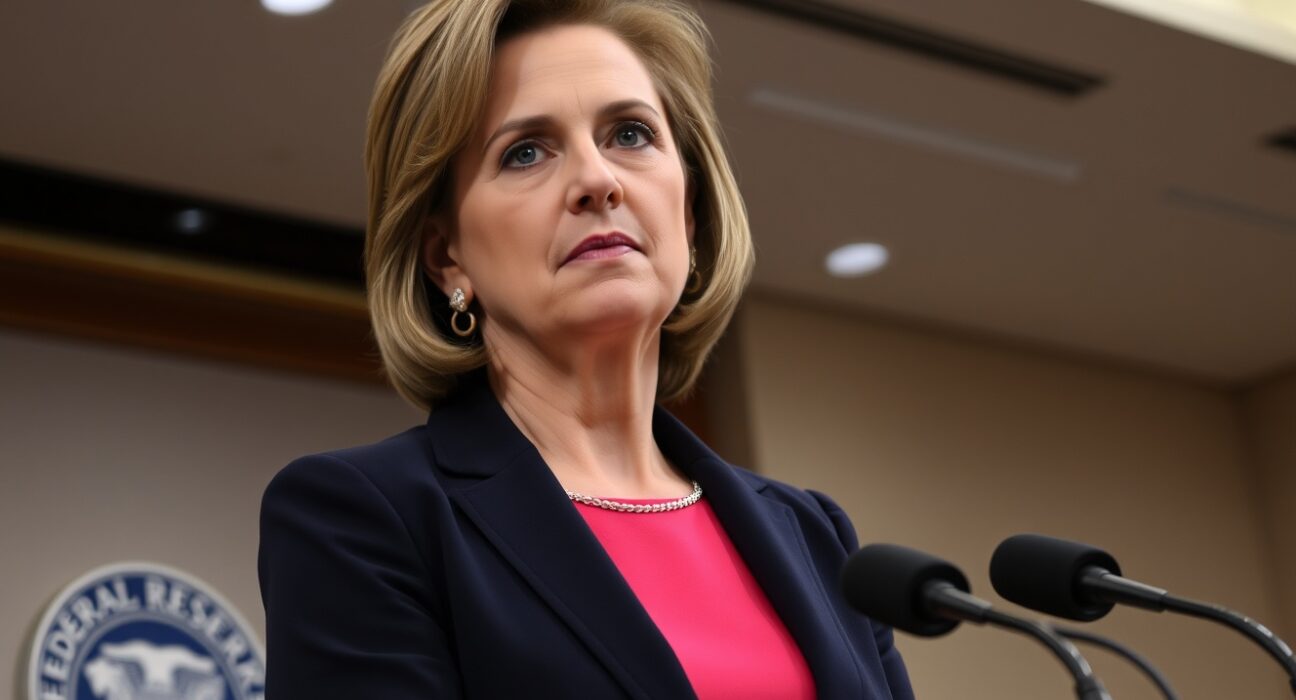
Cleveland Federal Reserve President Beth Hammack stated on Tuesday that it would be misleading for the central bank to signal that its next policy move will be an interest rate cut. Her remarks come as financial markets closely watch for any shift in the Fed’s stance amid evolving economic data.
Hammack’s Caution on Forward Guidance
Speaking at an event in Cleveland, Hammack emphasized the importance of data-dependent decision-making. She noted that while inflation has moderated from its peak, it remains above the Fed’s 2% target, and the labor market continues to show resilience. “Signaling a specific next move, particularly a rate cut, could be misinterpreted by markets and the public,” Hammack said. “Our guidance must reflect the uncertainty inherent in the economic outlook.”
Market Implications and Policy Outlook
Hammack’s comments are significant because they push back against growing market expectations that the Fed’s next move will be a rate cut, possibly as early as the second half of 2025. Traders have priced in a roughly 60% chance of a cut by September, according to CME FedWatch data. However, Hammack’s stance aligns with other Fed officials who have urged patience, warning that premature easing could reignite inflationary pressures.
Why This Matters for Investors and Consumers
For investors, Hammack’s remarks underscore the risk of over-interpreting dovish signals from the Fed. The central bank has kept its benchmark rate at 5.25%-5.50% since July 2023. A prolonged hold means borrowing costs for mortgages, credit cards, and business loans will remain elevated. For consumers, this translates to continued pressure on household budgets, particularly for those with variable-rate debt.
Conclusion
Beth Hammack’s warning serves as a reminder that the Federal Reserve remains committed to a data-dependent approach, prioritizing inflation control over market expectations. Until the economic data clearly supports a policy shift, the Fed is likely to maintain its cautious stance, making any near-term rate cut uncertain.
FAQs
Q1: Why did Beth Hammack say signaling a rate cut would be misleading?
She argued that the economic outlook remains uncertain, with inflation still above target and the labor market strong. Premature guidance could create false expectations.
Q2: When might the Federal Reserve actually cut rates?
Most economists expect the first cut could occur in late 2025, but this depends on sustained progress on inflation and any weakening in the labor market.
Q3: How do Hammack’s comments affect mortgage rates?
Her remarks reinforce the likelihood that the Fed will keep rates higher for longer, which could keep mortgage rates elevated in the near term.
Disclaimer: The information provided is not trading advice, Bitcoinworld.co.in holds no liability for any investments made based on the information provided on this page. We strongly recommend independent research and/or consultation with a qualified professional before making any investment decisions.
