

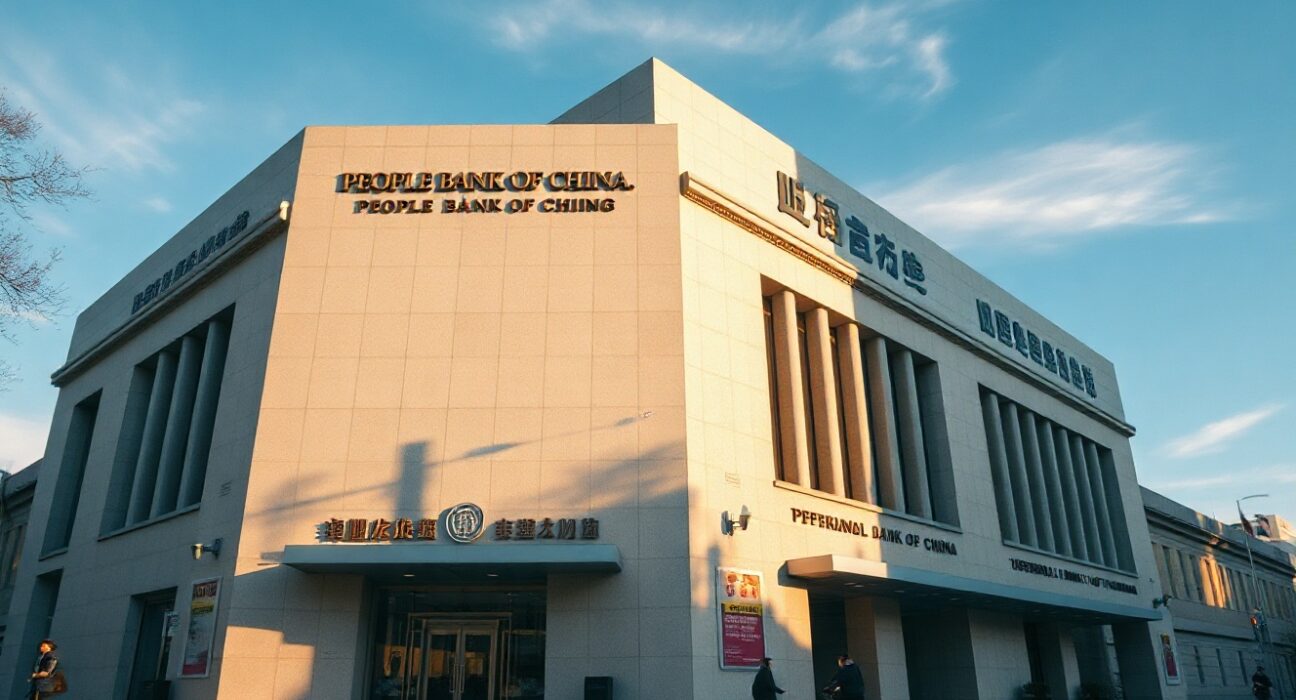
China’s foreign exchange reserves rose to $3.41 trillion in April 2025, up from $3.39 trillion in March, according to data released by the People’s Bank of China (PBOC) on Wednesday. The increase signals continued stability in the country’s external financial position amid ongoing global trade frictions and shifting investor sentiment toward emerging markets.
Steady accumulation despite global headwinds
The $20 billion month-over-month increase marks the second consecutive monthly gain, following a modest rise in March. Analysts attribute the uptick to a combination of favorable currency valuations, modest capital inflows, and the PBOC’s ongoing management of the yuan’s exchange rate within a controlled band. The reserves remain comfortably above the $3 trillion threshold that Beijing has long regarded as a key buffer against external shocks.
The April data comes at a time when global trade dynamics are under renewed scrutiny. The U.S. dollar index softened slightly during the month, which helped boost the dollar-denominated value of China’s non-dollar reserve assets, such as euro- and yen-denominated holdings. Meanwhile, gold prices remained elevated, further supporting the overall reserve valuation, as China has been steadily increasing its gold reserves in recent quarters.
Implications for yuan stability and trade policy
China’s foreign exchange reserves serve as a critical tool for maintaining confidence in the yuan and for managing capital flow volatility. The April increase suggests that the PBOC has not needed to intervene heavily to defend the currency, even as the yuan has experienced periodic depreciation pressure against the dollar. The reserves data also provides a backdrop for ongoing trade negotiations and tariff discussions between Beijing and Washington.
What this means for global markets
For international investors, a stable and growing reserve stockpile reduces the risk of a sudden devaluation or capital control tightening in China. It also supports the country’s ability to service its external debt and finance trade imbalances. However, some economists caution that the headline figure can be influenced by valuation effects and does not always reflect underlying capital flows.
The PBOC has not disclosed the exact composition of the reserves, but it is widely believed that U.S. Treasuries and other government bonds remain a significant portion. Any major shift in China’s holdings of U.S. debt could have ripple effects on global bond yields, making the reserves data a closely watched indicator in financial circles.
Conclusion
China’s April foreign exchange reserves data reinforces the narrative of a carefully managed external financial position. While global uncertainties persist, the modest increase provides a measure of reassurance for markets monitoring China’s economic resilience. The coming months will reveal whether this trend can be sustained amid evolving trade policies and monetary conditions worldwide.
FAQs
Q1: Why do China’s foreign exchange reserves matter?
They act as a financial buffer against external shocks, help maintain yuan stability, and signal investor confidence in China’s economy. A healthy reserve level reduces the risk of currency crises.
Q2: What factors influenced the April increase?
The rise was driven by a weaker U.S. dollar, higher gold prices, and modest capital inflows. Valuation changes on non-dollar assets also contributed to the headline figure.
Q3: Is $3.41 trillion a high level for China?
Yes. China’s reserves have historically ranged between $3 trillion and $4 trillion. The current level is well above the $3 trillion threshold that Beijing considers a minimum safety buffer, indicating a comfortable external position.
Disclaimer: The information provided is not trading advice, Bitcoinworld.co.in holds no liability for any investments made based on the information provided on this page. We strongly recommend independent research and/or consultation with a qualified professional before making any investment decisions.
