

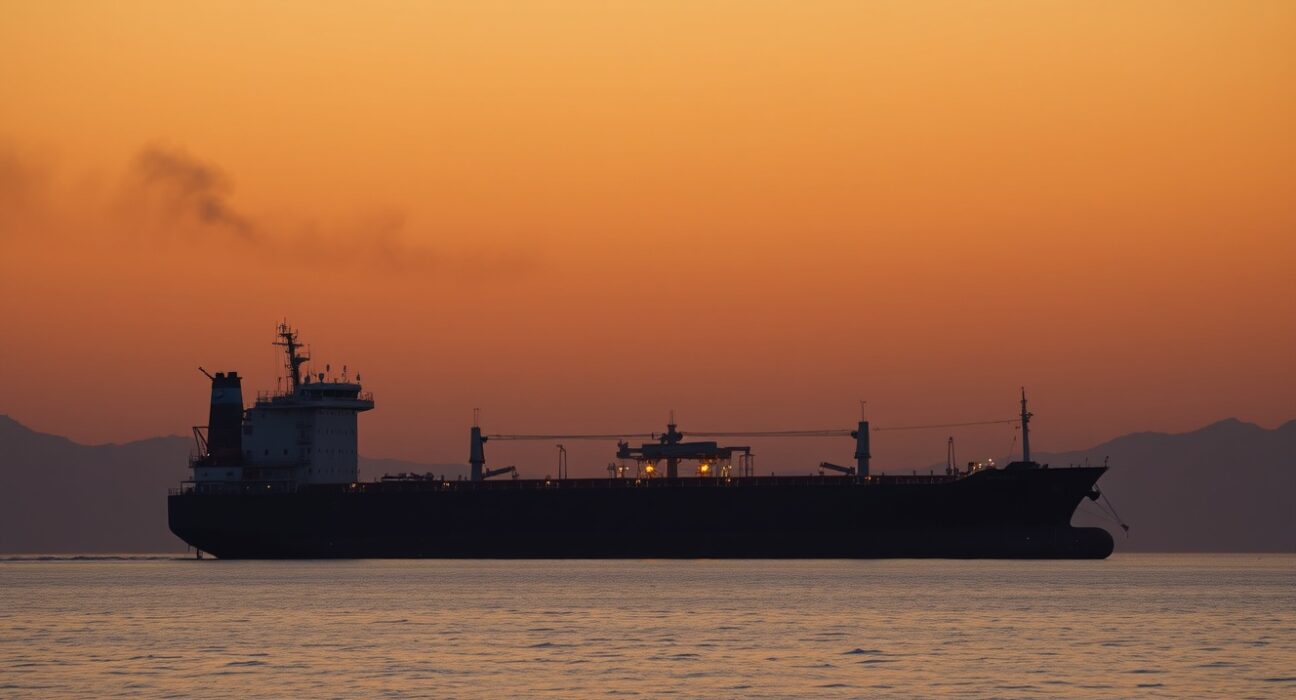
Global oil inventories are shrinking at a record rate as the war in Iran disrupts shipping in the Persian Gulf, rapidly eroding the buffer stock designed to absorb supply shocks. This sharp decline signals a growing risk of extreme price spikes and supply shortages.
Record inventory drawdown amid Strait of Hormuz blockade
With the Strait of Hormuz effectively blockaded for two months, governments and industries have dwindling options to counter a supply loss of over one billion barrels. The rapid depletion of stocks means the market will remain vulnerable to future supply disruptions for an extended period, even after the conflict ends.
Morgan Stanley estimates that from March 1 to April 25, global oil inventories fell by an average of about 4.8 million barrels per day, a rate that far surpasses the highest quarterly decline ever recorded by the International Energy Agency (IEA). Approximately 60% of the reduction was in crude oil, with the remainder being petroleum products.
Safety stock limits approaching
Natasha Kaneva, Head of Global Commodities Research at JPMorgan, noted that the oil system requires a minimum inventory level and will reach an untouchable safety stock limit before inventories are fully depleted. This safety buffer is essential for maintaining operational stability in refineries and distribution networks.
The current drawdown rate is historically unprecedented. The IEA’s highest recorded quarterly decline was significantly lower than the current pace, underscoring the severity of the disruption. The blockade has effectively removed a major chokepoint for global oil flows, forcing nations to rely heavily on stored reserves.
Implications for consumers and markets
For consumers, the depletion of buffer stocks raises the likelihood of higher fuel prices at the pump, particularly if the conflict continues or escalates. Industries dependent on petroleum products—such as transportation, manufacturing, and agriculture—face increased input costs that could ripple through supply chains.
From a market perspective, the shrinking inventory cushion means any additional supply disruption—whether from weather events, political instability, or technical outages—could trigger sharp price movements. The market is now operating with a thinner safety margin than at any point in recent history.
Conclusion
The record depletion of global oil buffer stocks due to the Iran war and Strait of Hormuz blockade represents a critical development for energy markets and the broader economy. While the conflict’s duration remains uncertain, the erosion of strategic reserves leaves the world more exposed to future supply shocks. Policymakers and industry leaders face a narrowing window to mitigate the impact on prices and supply stability.
FAQs
Q1: What is the Strait of Hormuz and why does its blockade matter?
The Strait of Hormuz is a narrow waterway between the Persian Gulf and the Gulf of Oman, through which about 20% of the world’s oil passes. Its blockade effectively cuts off a major supply route, forcing nations to draw down stored inventories.
Q2: How long can global oil buffer stocks last at the current depletion rate?
At the current drawdown rate of 4.8 million barrels per day, and with an estimated one billion barrels lost so far, the remaining buffer could be exhausted within months if the blockade persists, though safety stock limits will be reached before complete depletion.
Q3: What are safety stock limits and why are they important?
Safety stock limits refer to the minimum inventory level required to maintain operational stability in refineries and distribution systems. Falling below this level could cause technical disruptions, even if some oil remains in storage.
Disclaimer: The information provided is not trading advice, Bitcoinworld.co.in holds no liability for any investments made based on the information provided on this page. We strongly recommend independent research and/or consultation with a qualified professional before making any investment decisions.
