

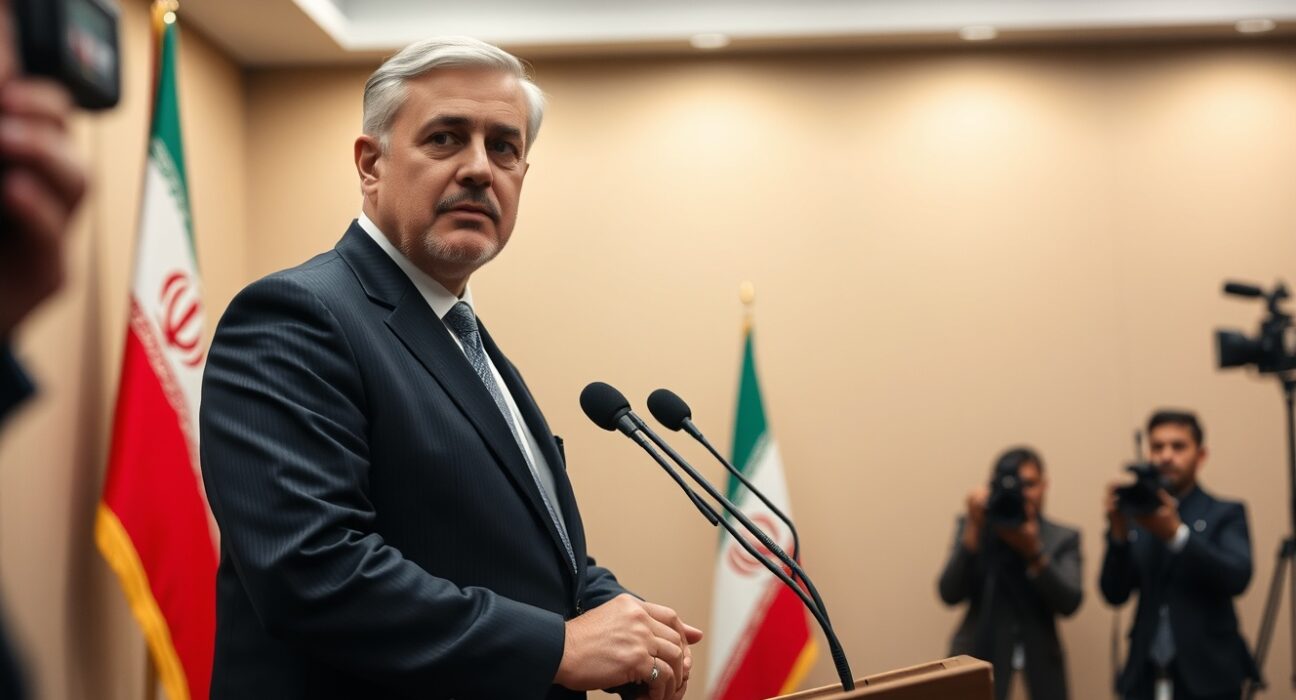
Iran’s Foreign Ministry spokesman, Esmaeil Baghaei, has rejected suggestions that Tehran’s reaction to a recent United States peace proposal was disproportionate, asserting that the response was carefully calibrated and within diplomatic norms. Speaking at a weekly press conference in Tehran, Baghaei described the US proposal as part of ongoing indirect exchanges, though he did not disclose specific details of the Iranian reply.
Background of the US Peace Initiative
The US peace proposal, reportedly conveyed through Omani intermediaries earlier this month, sought to revive stalled negotiations over Iran’s nuclear program and regional security issues. The initiative came amid heightened tensions following the collapse of the 2015 Joint Comprehensive Plan of Action (JCPOA) and subsequent US sanctions. Baghaei’s remarks are the first official Iranian characterization of the response, which some Western analysts had speculated might be overly harsh or dismissive.
Iran’s Diplomatic Stance
Baghaei emphasized that Iran remains committed to dialogue but insists on mutual respect and the removal of sanctions as a precondition for meaningful talks. “Our response was proportionate and within the framework of international diplomacy. It is not excessive to expect the other side to fulfill its obligations,” he said. The spokesman also reiterated Iran’s position that any agreement must guarantee the country’s economic benefits and security interests.
Regional and International Reactions
Reactions from regional capitals have been mixed. While Gulf Arab states have cautiously welcomed any de-escalation effort, European signatories to the JCPOA have urged both sides to avoid inflammatory rhetoric. The United States has not officially commented on Iran’s response, but State Department officials have indicated they are reviewing Tehran’s communication. Analysts suggest that the measured tone from Iran could open a narrow window for renewed negotiations, though significant obstacles remain.
Why This Matters
The exchange carries high stakes for global energy markets, regional stability, and non-proliferation efforts. Any diplomatic breakthrough could ease oil price volatility and reduce the risk of military confrontation in the Persian Gulf. For readers, understanding Iran’s negotiating posture is essential for assessing the likelihood of a new nuclear agreement and its impact on international security and energy supplies.
Conclusion
Baghaei’s defense of Iran’s response signals Tehran’s desire to keep diplomatic channels open while maintaining a firm negotiating position. Whether this leads to substantive talks depends on reciprocal gestures from Washington and the ability of both sides to bridge fundamental differences. The coming weeks will be critical in determining if the peace proposal gains traction or becomes another chapter in the long-standing US-Iran impasse.
FAQs
Q1: What was the US peace proposal about?
The US proposal aimed to restart negotiations on Iran’s nuclear program and regional security issues, reportedly delivered via Omani mediators.
Q2: Why did Baghaei say the response was not excessive?
He argued that Iran’s reply was proportionate and within diplomatic norms, rejecting claims that Tehran overreacted to the US initiative.
Q3: What are the main obstacles to US-Iran talks?
Key sticking points include the full removal of US sanctions, Iran’s uranium enrichment levels, and guarantees for economic benefits under any new agreement.
Disclaimer: The information provided is not trading advice, Bitcoinworld.co.in holds no liability for any investments made based on the information provided on this page. We strongly recommend independent research and/or consultation with a qualified professional before making any investment decisions.
