

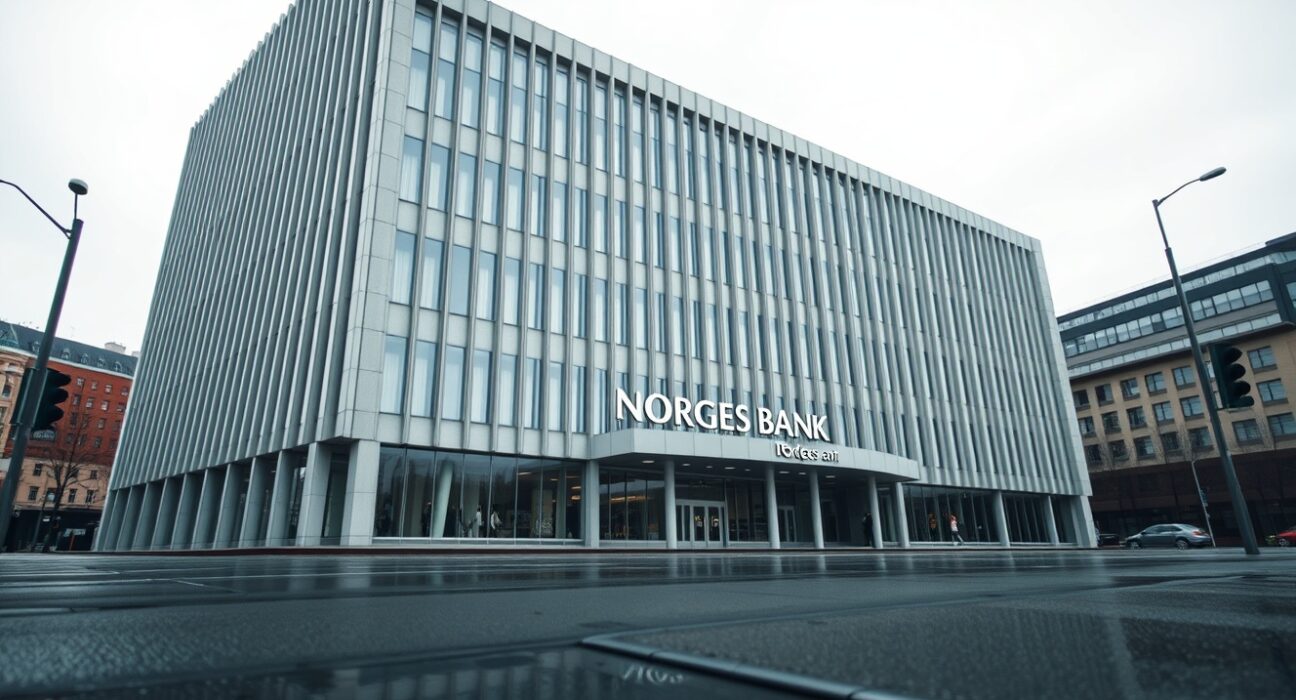
The Norwegian krone has rallied sharply this week after Norges Bank surprised markets with a 25-basis-point interest rate hike, a move that caught many analysts off guard. According to a recent analysis from HSBC, the currency is now receiving additional support from improved risk sentiment and elevated commodity prices, suggesting the rally may have further room to run.
Norges Bank’s Hawkish Stance Defies Expectations
Norges Bank’s decision to raise its key policy rate to 4.50% marked a departure from the more cautious tone adopted by many other central banks in recent months. The central bank cited persistent inflationary pressures and a tight labor market as key reasons for the move, even as the global economic outlook remains uncertain. HSBC strategists noted that the hike was particularly significant because it was not widely telegraphed in advance, amplifying its impact on the krone.
Risk Appetite and Commodities Provide Tailwinds
Beyond the rate decision, the krone is benefiting from a broader improvement in risk appetite across global markets. As a high-beta currency closely tied to the health of the global economy, the krone tends to strengthen when investors are optimistic. Additionally, Norway’s status as a major energy exporter means that elevated oil and gas prices continue to provide a fundamental underpinning for the currency. HSBC highlighted that these combined factors are creating a favorable environment for the krone in the near term.
What This Means for Investors and Businesses
For forex traders and businesses with exposure to Norway, the current environment suggests that the krone may remain well-supported in the coming weeks. However, HSBC also cautioned that the currency’s trajectory is not without risks. A sudden downturn in global risk appetite or a sharp decline in commodity prices could quickly reverse recent gains. The bank recommends that clients remain vigilant and consider hedging strategies if they have significant krone exposure.
Conclusion
The Norwegian krone’s recent strength is a direct result of Norges Bank’s proactive monetary policy, combined with supportive external factors. While the outlook remains positive in the short term, the currency’s performance will likely hinge on global economic developments and commodity market trends. HSBC’s analysis provides a clear framework for understanding these dynamics, emphasizing the importance of monitoring both central bank signals and broader market sentiment.
FAQs
Q1: Why did Norges Bank raise interest rates unexpectedly?
Norges Bank raised rates to combat persistent inflation and a tight labor market, signaling a more hawkish stance compared to other central banks.
Q2: How does the rate hike affect the Norwegian krone?
The hike increases the krone’s yield appeal, attracting foreign investment and strengthening the currency against major peers like the euro and dollar.
Q3: What are the main risks to the krone’s rally?
The primary risks include a sudden decline in global risk appetite, falling oil and gas prices, or a shift in Norges Bank’s policy stance if the economy weakens.
Disclaimer: The information provided is not trading advice, Bitcoinworld.co.in holds no liability for any investments made based on the information provided on this page. We strongly recommend independent research and/or consultation with a qualified professional before making any investment decisions.
