

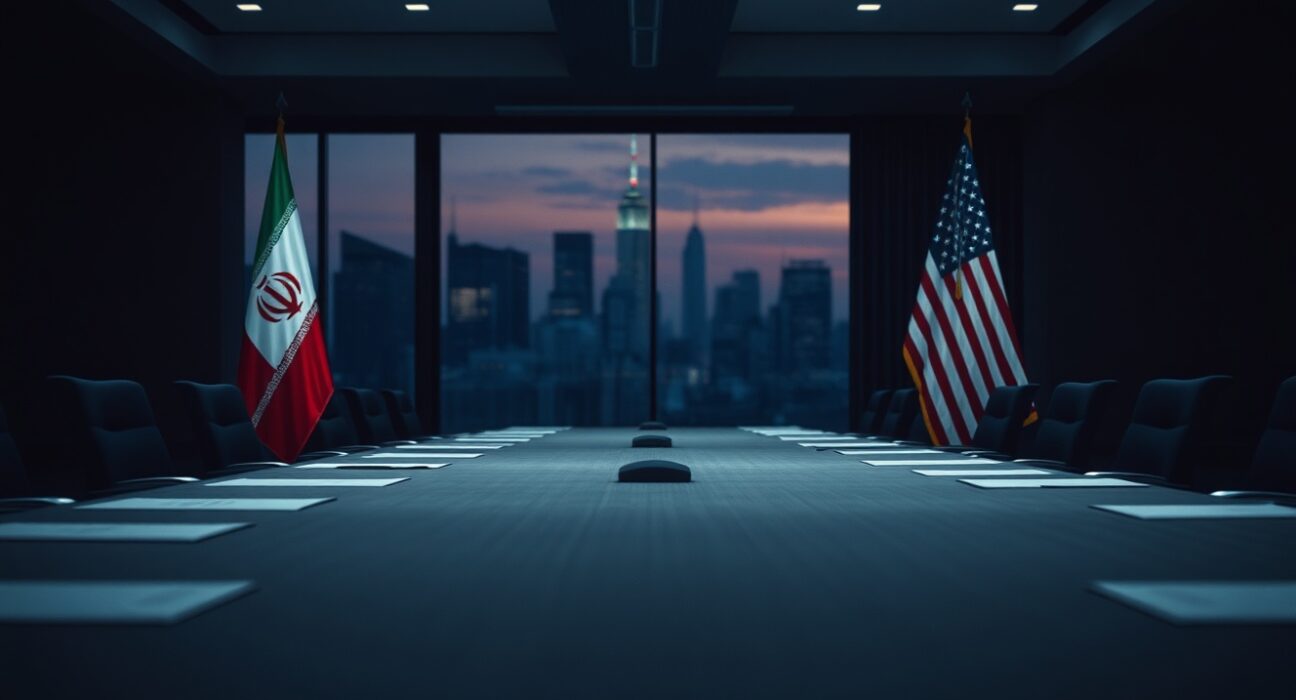
An Iranian official has confirmed that significant disagreements remain between Tehran and Washington in ongoing nuclear negotiations, specifically regarding the fate of Iran’s enriched uranium stockpile, the timeline for halting enrichment activities, and the issue of war reparations. The disclosure, made to a regional media outlet, underscores the deep divide that continues to block a return to the 2015 nuclear deal, known as the Joint Comprehensive Plan of Action (JCPOA).
Core Disagreements: Enriched Uranium and Enrichment Timeline
According to the official, the United States is demanding that Iran surrender its entire stockpile of 60% enriched uranium — a level just a technical step away from weapons-grade. Washington has rejected Tehran’s proposal to transfer the material to Russia, instead insisting it be sent to a third country. Iran, however, opposes shipping the enriched uranium abroad but has indicated a willingness to dilute it domestically under the supervision of the International Atomic Energy Agency (IAEA).
Beyond the uranium issue, the two sides are at odds over the pace of Iran’s enrichment program. The U.S. is pushing for a rapid and verifiable cessation of all enrichment activities above 3.67%, the limit set under the original JCPOA. Iran, which has significantly expanded its enrichment capacity since the U.S. withdrew from the deal in 2018, is seeking a more gradual timeline tied to sanctions relief.
War Reparations and Broader Sticking Points
A less publicized but equally contentious issue is Iran’s demand for war reparations, which it argues are owed due to the economic damage caused by U.S. sanctions reimposed after the 2018 withdrawal. The U.S. has not formally acknowledged this claim, and it remains a major obstacle to any comprehensive agreement. Other unresolved matters include the scope of sanctions relief, verification mechanisms, and guarantees that a future U.S. administration will not unilaterally abandon the deal again.
Why This Matters
The standoff carries significant implications for global energy markets, regional security in the Middle East, and the broader non-proliferation regime. A failure to reach a deal could lead to further escalation, including potential Iranian moves toward weapons-grade enrichment and increased tensions with Israel and Gulf states. Conversely, a successful agreement could unlock Iranian oil exports and ease supply constraints in global markets. For readers, the outcome directly influences oil prices, geopolitical stability, and the risk of conflict in a volatile region.
Conclusion
As negotiations continue, the core disagreements over enriched uranium, enrichment timelines, and reparations remain unresolved. The coming weeks will be critical in determining whether diplomatic channels can bridge these gaps or whether the region faces a renewed period of nuclear brinkmanship. The international community, particularly the IAEA and European mediators, will play a key role in facilitating any potential breakthrough.
FAQs
Q1: What is the main disagreement between Iran and the US in the nuclear talks?
The main disagreement centers on Iran’s stockpile of 60% enriched uranium. The US wants it sent to a third country, while Iran prefers to dilute it domestically under IAEA supervision.
Q2: Why is 60% enriched uranium a critical issue?
Uranium enriched to 60% is just a short technical step away from weapons-grade (90%) enrichment. Controlling this stockpile is essential to preventing Iran from rapidly developing a nuclear weapon.
Q3: What role does the IAEA play in these negotiations?
The IAEA is responsible for monitoring and verifying any agreement on Iran’s nuclear program. Iran has proposed diluting its enriched uranium under IAEA supervision, which would provide international assurance that the material is not diverted for military use.
Disclaimer: The information provided is not trading advice, Bitcoinworld.co.in holds no liability for any investments made based on the information provided on this page. We strongly recommend independent research and/or consultation with a qualified professional before making any investment decisions.
