

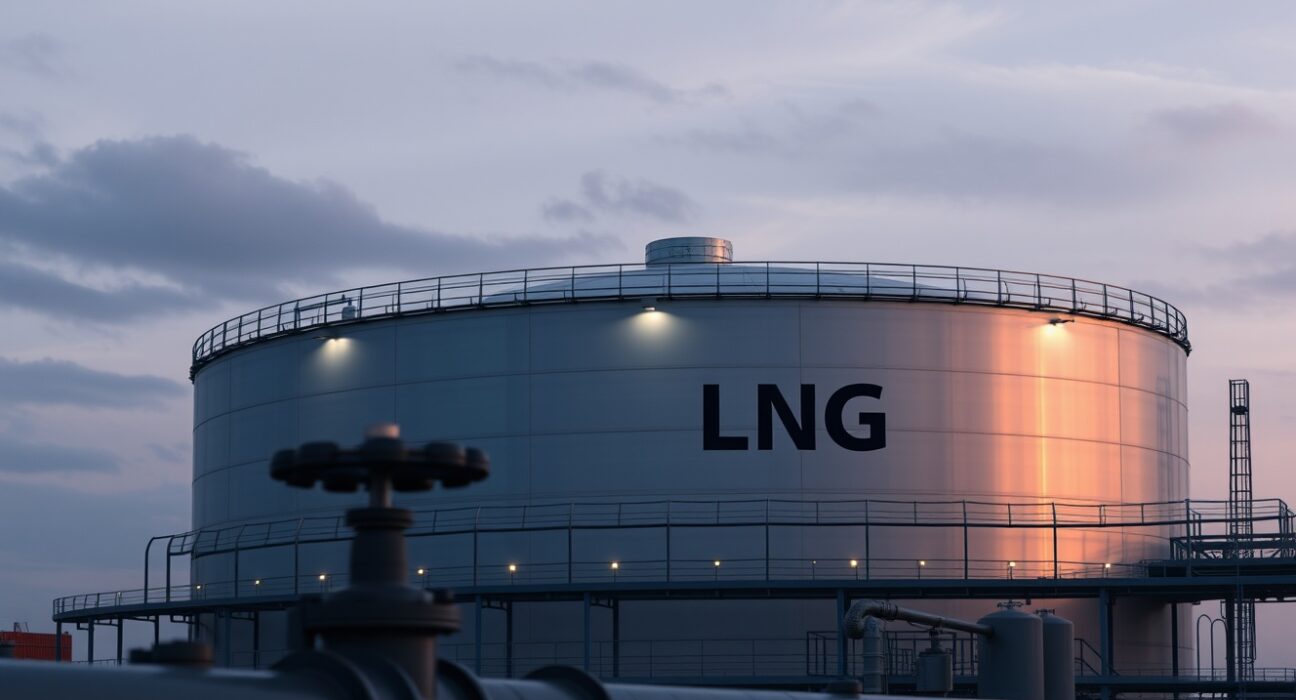
A recent analysis from ING highlights how the current oil price shock is fundamentally altering the economic calculus for fuel switching, making liquefied natural gas (LNG) a more attractive alternative across key industrial and power generation sectors. The report, which examines the interplay between crude oil volatility and natural gas pricing, suggests that the gap between oil-indexed contracts and spot LNG prices is widening in favor of gas.
How Oil Volatility is Driving LNG Demand
The sharp fluctuations in global oil prices, driven by geopolitical tensions and supply-side disruptions, have created a ripple effect in energy markets. ING analysts note that historically, fuel-switching decisions between oil and gas have been highly sensitive to price differentials. The current environment, where oil prices have surged while LNG spot prices remain comparatively subdued due to ample supply and mild winter demand in key regions, is creating a clear economic incentive for end-users to shift away from oil.
This dynamic is particularly pronounced in sectors where dual-fuel capabilities exist, such as in power plants and certain industrial facilities. The ability to switch between oil and gas provides operators with a natural hedge, and the current spread makes LNG the clear economic choice. ING’s analysis points to a potential increase in LNG demand from price-sensitive buyers who are now actively seeking spot cargoes to replace oil-based feedstocks.
Implications for Global Energy Markets
The shift in fuel-switch economics has broader implications for global energy flows and pricing mechanisms. For LNG producers and traders, the oil shock represents a window of opportunity to lock in new contracts and expand market share, particularly in Asia and Europe, where the infrastructure for gas imports is well-established.
ING’s report also examines the potential for this trend to accelerate the long-term structural shift toward natural gas as a transition fuel. While the current price advantage is driven by short-term oil volatility, it reinforces the economic case for investing in gas-fired power generation and LNG import terminals. However, the analysts caution that the sustainability of this trend depends on the duration of the oil price shock and the pace of new LNG supply coming online.
What This Means for Energy Buyers
For industrial consumers and utilities, the current market conditions present a clear financial rationale to evaluate fuel-switching options. ING recommends that buyers with flexible fuel capabilities actively monitor the oil-gas spread and consider locking in LNG supply through short-term or spot contracts to capitalize on the current discount. The analysis also highlights the importance of infrastructure readiness, as the ability to physically switch fuels remains a critical factor in realizing these economic benefits.
Conclusion
The oil price shock is reshaping fuel-switch economics in favor of LNG, according to ING. While the immediate driver is a temporary price dislocation, the trend underscores the growing competitiveness of natural gas in global energy markets. For stakeholders across the energy value chain, understanding and acting on these shifting dynamics will be key to managing costs and securing supply in a volatile environment.
FAQs
Q1: What is fuel-switch economics in the context of LNG and oil?
Fuel-switch economics refers to the cost-benefit analysis that energy buyers use to decide between using oil or natural gas (often imported as LNG) for power generation or industrial processes. The decision is primarily driven by the relative price of the two fuels, as well as the availability of dual-fuel infrastructure.
Q2: How does an oil price shock make LNG more attractive?
When oil prices spike, the cost of oil-based fuels rises sharply. If LNG prices remain relatively stable or increase at a slower pace, the price gap widens, making LNG a cheaper alternative for end-users who have the ability to switch fuels. This creates a demand shift toward LNG.
Q3: Is this trend likely to last?
ING’s analysis suggests the current trend is driven by short-term oil market volatility. Its longevity depends on factors such as the duration of the oil price shock, the response of LNG supply (new projects coming online), and broader macroeconomic conditions. However, it reinforces the long-term structural case for natural gas as a cost-competitive transition fuel.
Disclaimer: The information provided is not trading advice, Bitcoinworld.co.in holds no liability for any investments made based on the information provided on this page. We strongly recommend independent research and/or consultation with a qualified professional before making any investment decisions.
