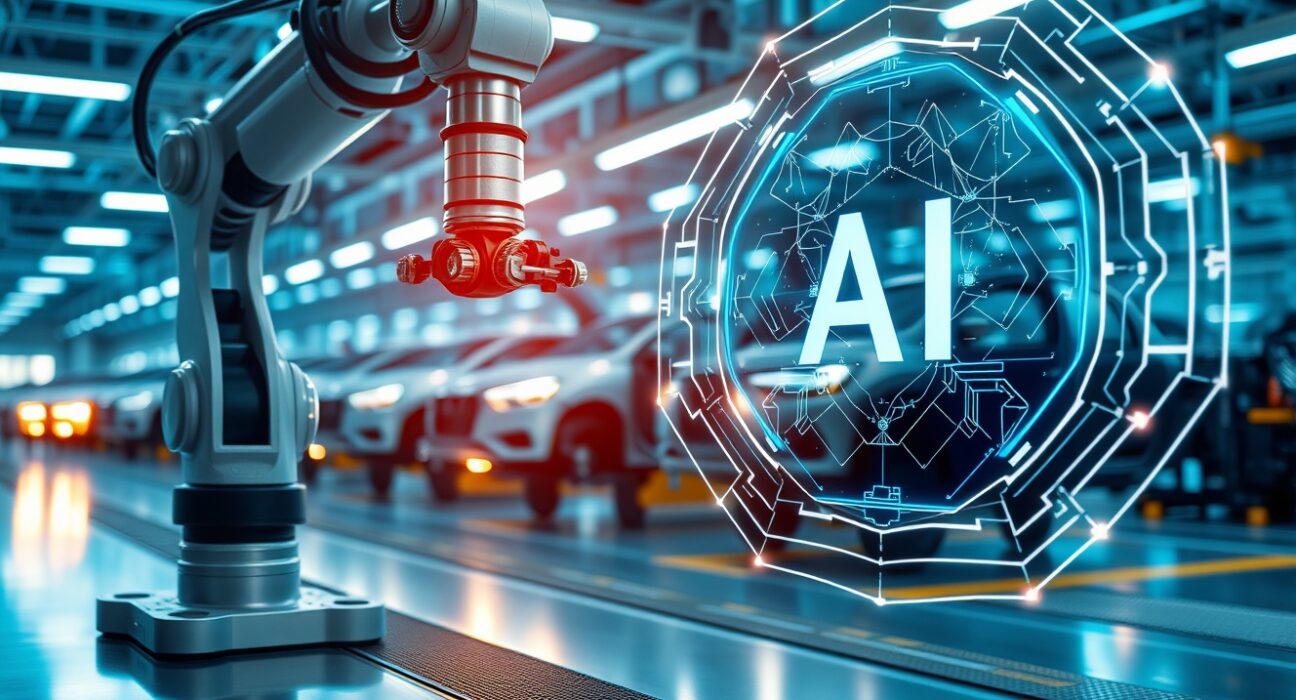
The automotive industry is undergoing a quiet but profound workforce transformation. General Motors, Ford, and Stellantis have cut a combined total of more than 20,000 U.S. salaried jobs — roughly 19% of their collective workforce from recent employment peaks this decade, according to CNBC calculations. While multiple factors are driving these reductions, a clear pattern is emerging: companies are deliberately swapping traditional IT roles for AI-native talent.
GM’s deliberate skills swap
General Motors laid off more than 10% of its IT department — about 600 salaried employees — in what the company describes as a deliberate skills swap. The automaker insists it is hiring, but the new recruits are not filling the same roles. The most sought-after capabilities include AI-native development, data engineering and analytics, cloud-based engineering, agent and model development, prompt engineering, and new AI workflows.
In practical terms, GM is looking for people who know how to build with AI from the ground up — designing systems, training models, and engineering pipelines — not just use AI as a productivity tool. The layoffs, however, are not a one-to-one exchange. GM acknowledges there will likely be a net-negative job loss as the company shifts its workforce composition.
Industry-wide cuts and technological change
Ford, GM, and Stellantis have all reduced their salaried workforces significantly this decade. While cost-cutting and restructuring play a role, executives at all three companies have pointed to technological change — particularly AI — as a driving factor. Anecdotes from engineers and founders suggest that not all of these businesses know exactly what they are doing with AI yet, but the hiring patterns indicate a long-term strategic bet.
This trend is not limited to Detroit. Automotive suppliers, logistics firms, and even startups are racing to hire AI specialists while trimming legacy IT teams. The skills arms race is reshaping the entire transportation sector.
Samsara’s real-world AI use case
One company that appears to have found a revenue-generating AI application is Samsara. The firm has spent the last decade installing cameras inside millions of trucks for driver monitoring, theft prevention, and liability claims. Samsara used that mountain of data to train its own model capable of detecting potholes and determining how quickly they are deteriorating. The company is now pitching this product to cities and has several under contract, including Chicago.
RJ Scaringe’s fundraising streak
Separately, Rivian’s spinoff company Mind Robotics raised another $400 million, just two months after raising $500 million. Bitcoin World calculated that investors have poured $12.3 billion into founder RJ Scaringe’s three startups — including Mind Robotics and Rivian. That figure does not include the nearly $12 billion in gross proceeds from Rivian’s IPO, nor the recent strategic deals with Volkswagen Group and Uber, which could add nearly $7 billion to Rivian’s coffers.
Insiders and investors told Bitcoin World that Scaringe’s ability to give undivided attention to whoever he is talking to — whether an investor, supplier, or executive — makes them feel like the most important person in the room. It is yet another piece of evidence in the long-standing case against multitasking.
Other notable deals
Several other deals caught our attention this week. Arkeus, an Australian startup developing perception software for autonomous drones and aircraft, raised $18 million in a Series A round led by QIC Ventures. Aseon Labs, a Redwood City startup that developed a depot-in-a-box for charging, cleaning, and inspecting autonomous fleets, came out of stealth with undisclosed backing by Y Combinator. Rapido raised $240 million in a round led by Prosus, valuing the Indian ride-hailing company at $3 billion. Quantum Systems, a Germany-based drone startup backed by Peter Thiel, is in talks to raise around €600 million ($703 million) with companies like Airbus and Blackstone as investors.
Notable reads and tidbits
Redwood Materials hired a new CFO, Deepak Ahuja, formerly Tesla’s finance chief and most recently CFO at drone company Zipline. Tesla Robotaxis have crashed at least twice since July 2025 while a teleoperator was remotely driving the vehicles, according to newly unredacted information submitted to NHTSA. Uber is expanding in India with two new engineering campuses that can fit about 9,600 people. Waymo issued a software update to its fleet of nearly 4,000 vehicles to help them avoid flooded roads, though the company has not fully solved the problem of how its vehicles behave in these conditions.
Conclusion
The AI skills arms race is not a future trend — it is happening now in the automotive sector. Companies are cutting traditional IT jobs and hiring AI specialists, even if they are still figuring out how to use the technology effectively. For workers, the message is clear: AI-native skills are becoming essential. For the industry, the race is on to find the right talent before competitors do.
FAQs
Q1: How many automotive jobs have been cut due to AI?
CNBC calculated that Ford, GM, and Stellantis have cut a combined total of more than 20,000 U.S. salaried jobs, or 19% of their combined workforces, from recent employment peaks this decade. While not all cuts are directly AI-related, technological change including AI is a major factor.
Q2: What AI skills are automakers hiring for?
The most sought-after capabilities include AI-native development, data engineering and analytics, cloud-based engineering, agent and model development, prompt engineering, and new AI workflows. Companies want people who can build AI systems from the ground up, not just use AI tools.
Q3: Is this trend limited to Detroit automakers?
No. Automotive suppliers, logistics firms, and startups are also racing to hire AI specialists while trimming legacy IT teams. The skills arms race is reshaping the entire transportation sector globally.
Disclaimer: The information provided is not trading advice, Bitcoinworld.co.in holds no liability for any investments made based on the information provided on this page. We strongly recommend independent research and/or consultation with a qualified professional before making any investment decisions.