

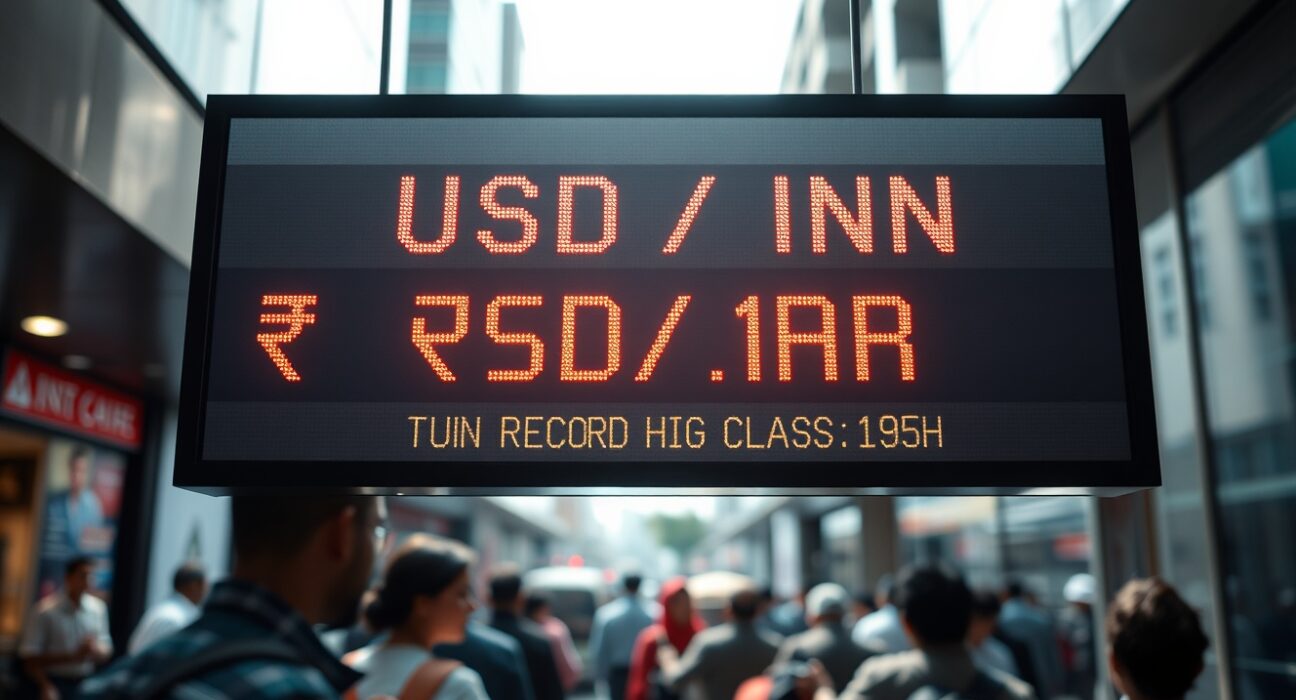
The Indian rupee extended its decline against the US dollar on Tuesday, touching a fresh record low, according to analysis from MUFG Bank. The currency’s continued depreciation reflects persistent pressure from global macroeconomic factors and domestic demand for the greenback.
Rupee Depreciation Drivers
MUFG’s latest note highlights that the rupee’s weakness is driven primarily by a strengthening US dollar, elevated crude oil prices, and sustained foreign portfolio outflows from Indian equity markets. The USD/INR pair breached the psychologically important 83.50 level, marking the lowest point for the Indian currency in history.
The Japanese banking giant points out that the Reserve Bank of India (RBI) has been actively intervening in the forex market to curb volatility, but the underlying pressure remains intense. India’s widening trade deficit, exacerbated by high import costs for energy and commodities, continues to weigh on the rupee’s valuation.
Market Implications
For Indian importers, particularly those reliant on crude oil, electronics, and machinery, a weaker rupee directly increases input costs. This could feed into domestic inflation, potentially complicating the RBI’s monetary policy stance. Conversely, export-oriented sectors such as IT services, pharmaceuticals, and textiles may benefit from improved price competitiveness abroad.
Investors holding Indian assets are also feeling the pinch. Foreign portfolio investors have pulled significant capital from Indian equities in recent months, partly due to the rupee’s depreciation eroding returns when converted back to dollars.
RBI Policy Response
The RBI has deployed multiple tools to manage the currency’s slide, including direct dollar sales, tightening liquidity, and adjusting foreign investment limits. However, analysts at MUFG suggest that without a broader shift in global risk appetite or a decisive pivot in US Federal Reserve policy, the rupee may remain under pressure in the near term.
Historical data shows that the RBI typically allows gradual depreciation rather than abrupt moves, aiming to maintain orderly market conditions. The central bank’s foreign exchange reserves, though still substantial, have declined as it deploys dollars to defend the currency.
Conclusion
The Indian rupee’s record low against the US dollar underscores the challenging external environment facing emerging market currencies. While MUFG’s analysis points to continued near-term weakness, the trajectory will depend on global interest rate expectations, commodity prices, and India’s own economic fundamentals. For businesses and investors, hedging currency risk remains a critical consideration.
FAQs
Q1: What is the current USD/INR exchange rate?
The Indian rupee has touched a record low above 83.50 per US dollar, according to MUFG’s analysis. Exact live rates fluctuate throughout the trading day.
Q2: Why is the rupee falling against the dollar?
Key factors include a strong US dollar globally, high crude oil prices, foreign capital outflows from Indian markets, and India’s trade deficit. The RBI’s intervention has slowed but not reversed the trend.
Q3: How does a weak rupee affect the average Indian consumer?
A weaker rupee makes imported goods more expensive, including oil, electronics, and machinery. This can lead to higher prices for fuel, consumer electronics, and other imported products, potentially increasing overall inflation.
Disclaimer: The information provided is not trading advice, Bitcoinworld.co.in holds no liability for any investments made based on the information provided on this page. We strongly recommend independent research and/or consultation with a qualified professional before making any investment decisions.
