

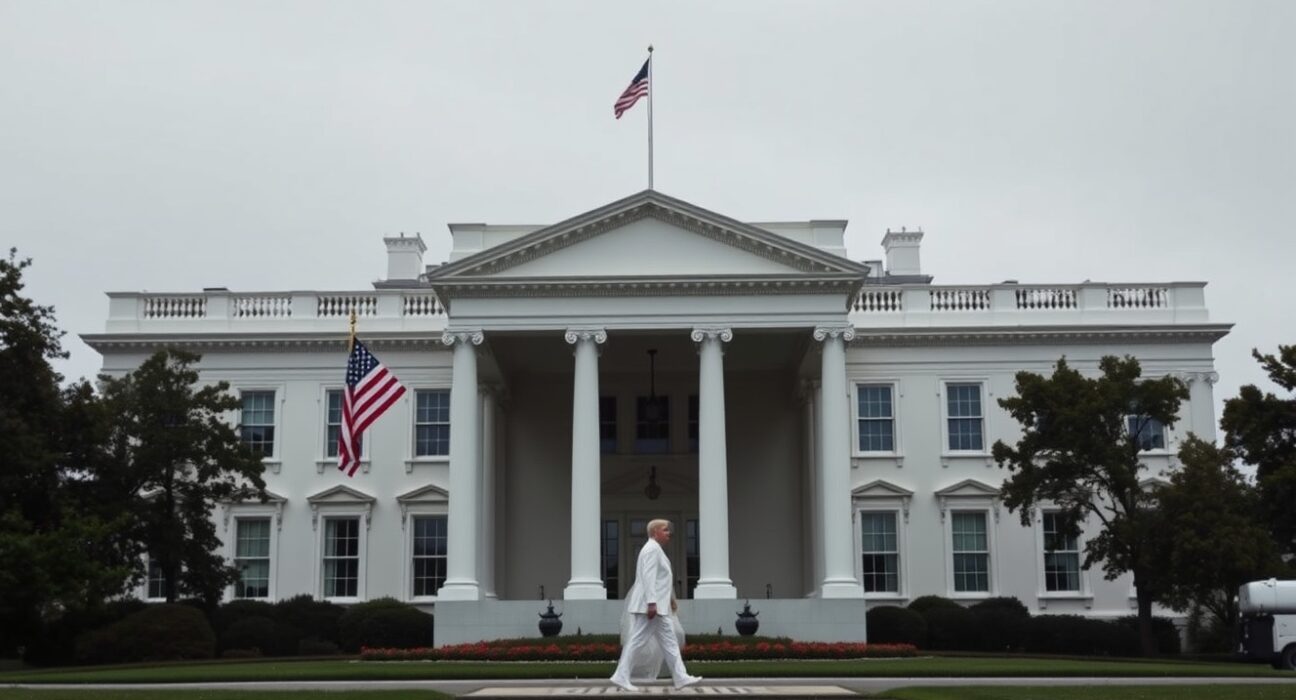
The White House has formally rejected a revised ceasefire proposal submitted by Iran, with a senior U.S. official telling Axios that the document contained no substantive improvements over previous drafts. The decision signals a continued stalemate in indirect negotiations, as diplomatic channels remain open but unproductive.
What the Proposal Contained
According to the official, who spoke on condition of anonymity, the revised proposal was expected to address key U.S. concerns regarding verification mechanisms and the scope of any potential truce. Instead, the document largely reiterated earlier Iranian positions, failing to offer new concessions or pathways to de-escalation. The rejection underscores the widening gap between both sides on core issues, including the timeline for sanctions relief and the future of Iran’s nuclear enrichment activities.
Broader Diplomatic Context
The development comes after months of back-channel communications mediated by Gulf states and European allies. Previous rounds of talks had stalled over disagreements on inspection protocols and the sequencing of reciprocal actions. The U.S. has maintained that any ceasefire must include verifiable steps by Iran to halt its most advanced enrichment operations, a condition Tehran has so far resisted. The rejection does not close the door to future negotiations, but it raises the likelihood of prolonged diplomatic inertia.
Why This Matters for Regional Stability
The breakdown in talks has immediate implications for security in the Persian Gulf and broader Middle East. Without a ceasefire framework, the risk of miscalculated military encounters between U.S. naval forces and Iranian patrols remains elevated. Additionally, the impasse complicates efforts by European and Asian allies to stabilize energy markets, as uncertainty over Iranian oil exports persists. For global observers, the rejection signals that the Biden administration is unwilling to accept cosmetic changes to a proposal that does not address fundamental U.S. security requirements.
Conclusion
The White House’s rejection of Iran’s revised ceasefire proposal marks a clear, if cautious, reaffirmation of its negotiating stance. While diplomatic engagement continues, the lack of substantive progress suggests that a near-term breakthrough is unlikely. The coming weeks will likely see increased pressure on both sides from international intermediaries, but the core disagreements remain unresolved.
FAQs
Q1: Did the U.S. completely end negotiations with Iran?
No. The rejection applies specifically to the latest revised proposal. Diplomatic channels remain open, but the U.S. has signaled it will not accept a deal that lacks verifiable commitments.
Q2: What were the main points of disagreement?
The primary sticking points include Iran’s uranium enrichment levels, international inspection access, and the sequencing of sanctions relief. The U.S. insists on verifiable steps before any economic concessions.
Q3: Could this rejection lead to increased tensions in the region?
Yes. The absence of a ceasefire framework raises the risk of accidental confrontations between military forces in the Persian Gulf. It also delays any potential return of Iranian oil to global markets, affecting energy prices.
Disclaimer: The information provided is not trading advice, Bitcoinworld.co.in holds no liability for any investments made based on the information provided on this page. We strongly recommend independent research and/or consultation with a qualified professional before making any investment decisions.
