

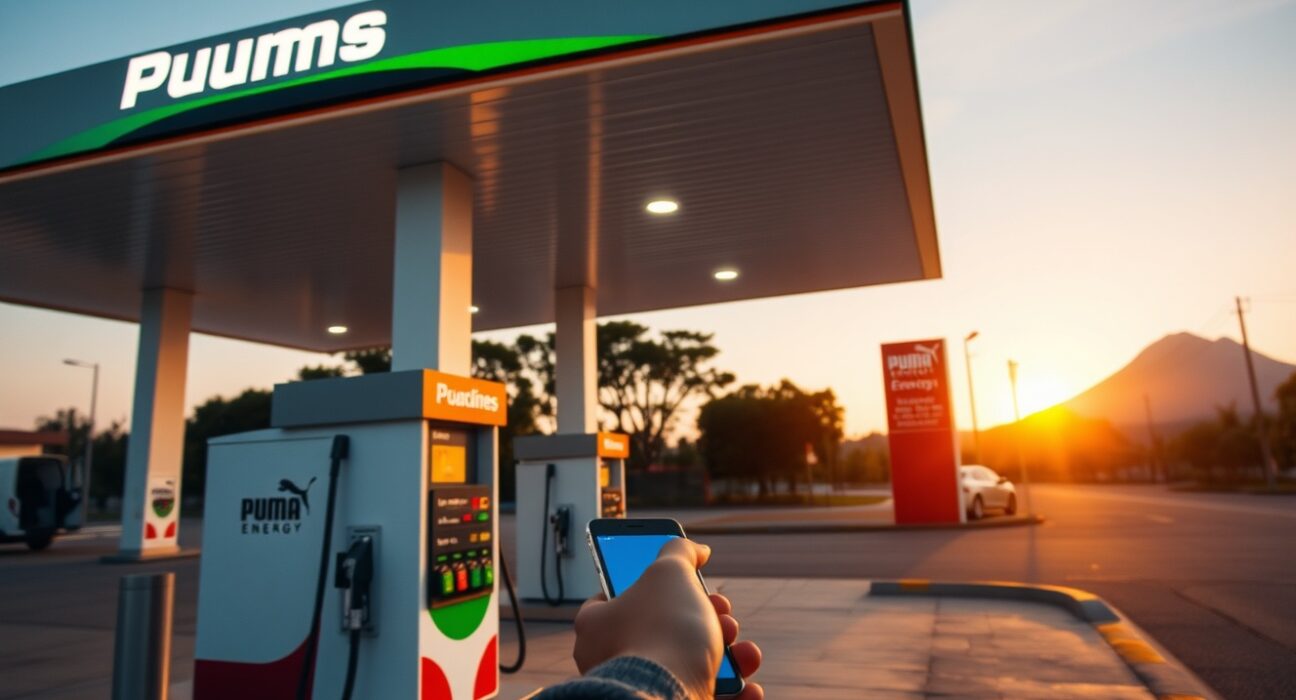
Global commodities trading giant Trafigura is in early-stage discussions with Tether, the company behind the USDT stablecoin, to launch a pilot program enabling digital payments at gas stations in El Salvador. According to a report from Bloomberg, the initiative would focus on stations operated by Puma Energy, a Trafigura subsidiary.
Stablecoin Payments at the Pump
The proposed pilot would allow customers at select Puma Energy stations in El Salvador to pay for fuel using USDT, a stablecoin pegged to the U.S. dollar. The move aligns with El Salvador’s broader push to integrate digital currencies into its economy, following the country’s adoption of Bitcoin as legal tender in 2021.
However, sources familiar with the discussions emphasize that talks are preliminary. The project remains under technical review and would require regulatory approval before any rollout. No timeline for the pilot has been announced.
Context and Implications
If implemented, the pilot would mark a significant step in the practical use of stablecoins for everyday transactions in Latin America. El Salvador has been a testing ground for cryptocurrency adoption, with the government promoting Bitcoin usage through initiatives like the Chivo wallet and Bitcoin-backed bonds. Adding USDT payments at gas stations could further normalize digital currency use for daily purchases.
For Trafigura and Puma Energy, the move represents an exploration of blockchain-based payment systems to reduce transaction costs and increase efficiency. Stablecoins like USDT offer faster settlement times compared to traditional banking systems, particularly for cross-border payments.
Regulatory Hurdles Remain
The project’s success hinges on navigating El Salvador’s regulatory environment. While the country has been welcoming to cryptocurrencies, stablecoin-specific regulations are still evolving. Tether has faced scrutiny from regulators in other jurisdictions over its reserve transparency, though it remains the most widely used stablecoin globally.
Conclusion
The discussions between Trafigura and Tether highlight a growing trend of traditional industries exploring blockchain-based payment solutions. While the pilot is not yet confirmed, it underscores the increasing interest in stablecoins for real-world applications beyond trading and speculation. Readers should watch for regulatory developments in El Salvador and further announcements from Trafigura regarding the project’s status.
FAQs
Q1: What is USDT?
USDT is a stablecoin issued by Tether, designed to maintain a value of one U.S. dollar. It is widely used for trading and payments on blockchain networks.
Q2: Why is this pilot significant?
If approved, it would be one of the first large-scale uses of stablecoins for fuel payments in Latin America, potentially paving the way for broader adoption of digital currencies in everyday commerce.
Q3: What are the next steps?
The project is in early discussions and requires technical review and regulatory approval. No launch date has been set.
Disclaimer: The information provided is not trading advice, Bitcoinworld.co.in holds no liability for any investments made based on the information provided on this page. We strongly recommend independent research and/or consultation with a qualified professional before making any investment decisions.
