

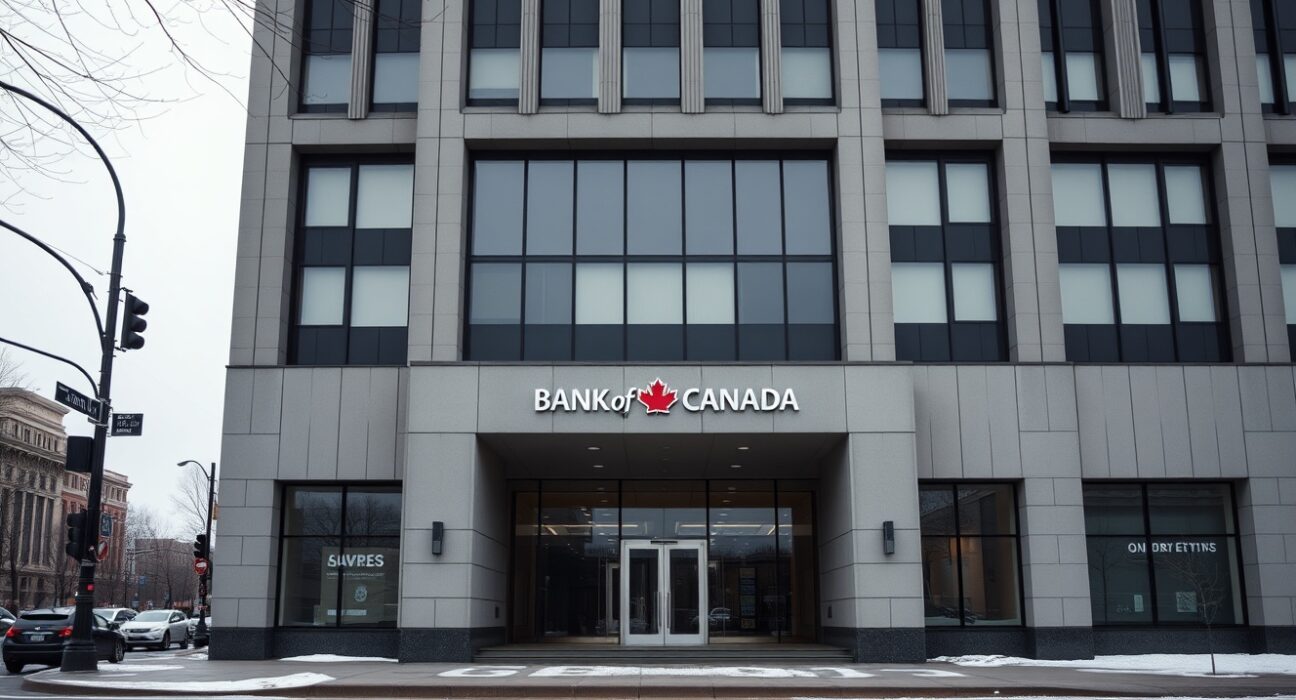
A recent uptick in Canada’s Consumer Price Index (CPI), driven primarily by rising energy costs, is reinforcing expectations that the Bank of Canada (BoC) will maintain its current policy rate at the next decision meeting, according to analysts at RBC Economics.
Energy Costs Push Inflation Higher
Statistics Canada reported that headline CPI inflation edged up in the latest reading, with energy prices—including gasoline and natural gas—accounting for a significant portion of the increase. While core inflation measures remain more subdued, the energy-driven bump is enough to keep the central bank cautious about easing policy prematurely.
RBC’s analysis notes that the BoC’s preferred core inflation metrics have been trending closer to the 2% target, but the volatility in energy prices introduces uncertainty. “The energy component is the main story this month,” the RBC report states. “It pushes headline inflation above expectations but does not fundamentally alter the underlying disinflation trend.”
Implications for the Bank of Canada
The data arrives as the BoC navigates a complex economic landscape. The central bank has held its overnight rate at 5% since July 2023, after a series of aggressive hikes. Market participants have been watching for signs that rate cuts could begin later this year.
RBC argues that the latest CPI figures support a hold at the next meeting. “A single month of energy-driven inflation does not justify a rate cut, nor does it warrant another hike,” the analysts wrote. “The BoC will want to see sustained progress on core inflation before adjusting policy.”
What This Means for Borrowers and the Economy
For Canadian households and businesses, a continued hold means borrowing costs will remain elevated for now. Mortgage rates, business loans, and credit lines will stay at their current levels, maintaining pressure on variable-rate borrowers. However, the stability also avoids the shock of another rate increase.
The RBC outlook aligns with broader market expectations. Most economists polled by Bloomberg anticipate the BoC will hold rates steady through the spring, with potential cuts beginning in the summer or fall if inflation continues to ease.
Conclusion
While energy-driven CPI increases capture headlines, RBC’s analysis suggests the Bank of Canada will look through the volatility and maintain its current stance. The central bank’s focus remains on underlying inflation trends, and until those show clearer progress, the rate hold is likely to persist. For now, the message from RBC is clear: no rate move is imminent, and patience remains the BoC’s guiding principle.
FAQs
Q1: Why does energy-driven CPI support a rate hold?
Energy price spikes can temporarily push headline inflation higher, but central banks like the BoC focus on core inflation measures that strip out volatile components. A hold allows policymakers to assess whether the increase is transitory or persistent.
Q2: When is the Bank of Canada’s next rate decision?
The next scheduled announcement is [insert date if known, otherwise state: expected in the coming weeks]. The decision will be based on a full suite of economic data, including inflation, employment, and GDP growth.
Q3: How does this affect Canadian mortgage holders?
Variable-rate mortgage holders will continue to pay current rates, with no immediate relief or increase. Fixed-rate mortgages are influenced by bond yields, which may react to the BoC’s stance but are not directly tied to each rate decision.
Disclaimer: The information provided is not trading advice, Bitcoinworld.co.in holds no liability for any investments made based on the information provided on this page. We strongly recommend independent research and/or consultation with a qualified professional before making any investment decisions.
