

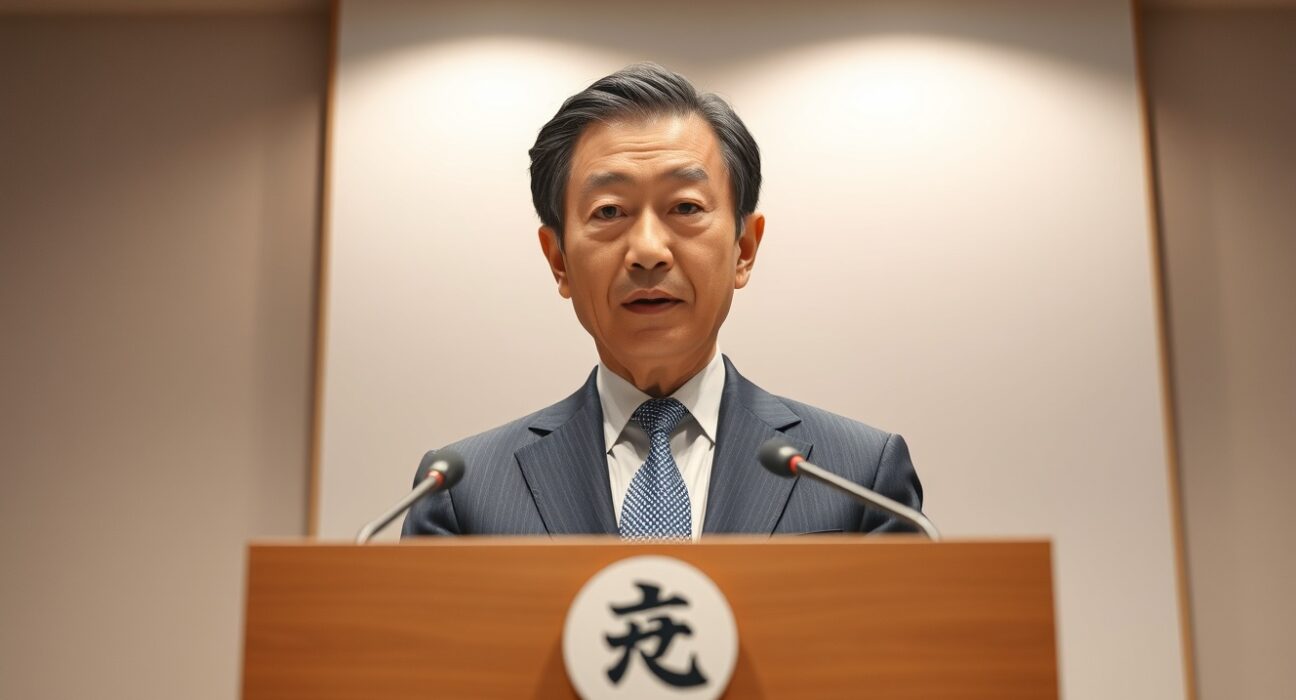
Bank of Japan (BOJ) Governor Kazuo Ueda acknowledged on Tuesday that long-term interest rates have been rising at a rapid pace, a statement that has drawn heightened attention from financial markets and investors monitoring the central bank’s next policy moves.
Context and Background
Speaking during a parliamentary session, Ueda noted that the BOJ is closely watching the speed of the increase in long-term interest rates, particularly Japanese government bond (JGB) yields. The yield on the benchmark 10-year JGB has climbed to levels not seen in over a decade, driven by expectations of further policy normalization and global inflationary pressures.
Ueda’s remarks come as the central bank continues to navigate a delicate transition away from its long-standing ultra-loose monetary policy framework. Since taking office in April 2023, Ueda has overseen a gradual shift, including adjustments to the yield curve control (YCC) program, but has consistently emphasized a cautious approach to avoid disrupting financial markets.
Market Implications and Analysis
The rapid rise in long-term interest rates carries significant implications for the Japanese economy. Higher borrowing costs can impact corporate investment, consumer spending, and the government’s fiscal position, given Japan’s large public debt. For investors, the movement in JGB yields signals shifting expectations about the pace and magnitude of future BOJ rate hikes.
Analysts interpret Ueda’s acknowledgment as a signal that the central bank is aware of potential risks but remains data-dependent. The BOJ has not indicated a specific timeline for further tightening, but the governor’s language suggests that the bank is factoring in the speed of rate changes as part of its broader assessment.
Impact on Global Markets
Japan’s interest rate trajectory also has ripple effects globally. As a major holder of foreign assets and a key player in global bond markets, changes in Japanese rates can influence capital flows, currency markets, and yield dynamics in other developed economies. The yen’s exchange rate, in particular, remains sensitive to the interest rate differential between Japan and the United States.
Conclusion
Governor Ueda’s comments underscore the BOJ’s vigilance as it manages a historic policy transition. While the central bank has not committed to immediate action, its close monitoring of long-term interest rates signals readiness to respond if market conditions warrant. For market participants, the key takeaway is that the BOJ remains in a watchful stance, with the speed of rate changes being a critical factor in its decision-making process.
FAQs
Q1: Why are long-term interest rates in Japan rising rapidly?
The rise is driven by market expectations that the Bank of Japan will continue to normalize monetary policy, including potential further rate hikes and reductions in bond purchases, as well as global inflationary pressures and higher yields in other developed markets.
Q2: What does Governor Ueda’s statement mean for the Japanese economy?
It signals that the BOJ is aware of the speed of rate increases and their potential impact on the economy. Higher long-term rates could raise borrowing costs for businesses and the government, but also reflect improving economic conditions and inflation expectations.
Q3: How might this affect global financial markets?
Japanese interest rate changes can influence global bond yields, currency markets (especially the yen), and capital flows. A faster pace of tightening in Japan could reduce the attractiveness of carry trades and impact yields in other major economies.
Disclaimer: The information provided is not trading advice, Bitcoinworld.co.in holds no liability for any investments made based on the information provided on this page. We strongly recommend independent research and/or consultation with a qualified professional before making any investment decisions.
