

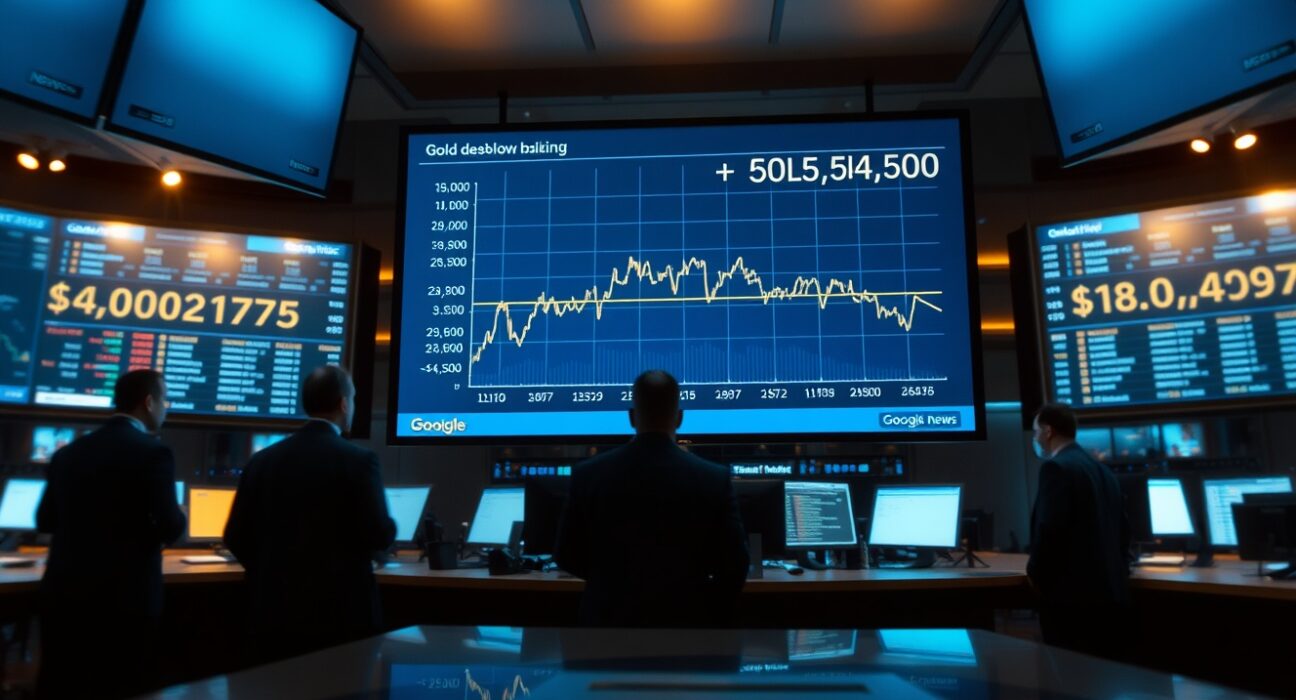
Gold prices have fallen below the $4,500 mark for the first time in recent weeks, driven by a coordinated shift in global central bank rhetoric toward higher interest rates. The precious metal, traditionally viewed as a hedge against inflation and economic uncertainty, is facing renewed headwinds as policymakers in the United States, Europe, and Asia signal a prolonged period of tighter monetary policy.
Central Bank Hawkishness Weighs on Bullion
The decline accelerated after the Federal Reserve’s latest meeting minutes revealed a more hawkish stance than markets had anticipated, with several officials advocating for rate increases to curb persistent inflationary pressures. The European Central Bank and the Bank of Japan have similarly indicated that borrowing costs may need to rise further, reducing the appeal of non-yielding assets like gold.
Higher interest rates increase the opportunity cost of holding gold, which offers no yield, making yield-bearing assets such as bonds and savings accounts more attractive. This dynamic has prompted a wave of selling across precious metals markets, with silver and platinum also posting losses.
Market Reaction and Investor Sentiment
The selloff was broad-based, with gold futures on the COMEX dropping over 2% in a single trading session. Spot gold prices touched an intraday low of $4,475 before stabilizing slightly above that level. Trading volumes surged as institutional investors and hedge funds reduced their long positions, according to preliminary data from commodity exchanges.
Analysts note that the break below the psychologically important $4,500 level could trigger further technical selling, as stop-loss orders are activated. The next key support level is seen around $4,400, a level that has held during previous corrections in the current cycle.
What This Means for Investors
For retail investors and portfolio managers, the decline in gold prices presents both risks and opportunities. Those holding significant gold allocations may face short-term losses, while others may view the dip as a buying opportunity if they believe the rate-hike cycle is nearing its peak.
Gold has historically performed well during periods of geopolitical tension and currency debasement, but the current environment of synchronized global tightening is testing that narrative. The dollar index, which typically moves inversely to gold, has strengthened, adding further pressure on bullion prices.
Conclusion
The slide below $4,500 underscores the sensitivity of gold markets to central bank policy expectations. While the long-term outlook for gold remains tied to inflation, geopolitical risks, and fiscal policy, the immediate trajectory will depend on whether central banks follow through on their hawkish signals. Investors should monitor upcoming economic data and policy announcements for further direction.
FAQs
Q1: Why does gold fall when interest rates rise?
Gold offers no yield, so when interest rates increase, the opportunity cost of holding gold rises. Investors can earn returns from interest-bearing assets like bonds or savings accounts, making gold less attractive.
Q2: Is $4,500 a significant level for gold?
Yes, $4,500 is a psychological and technical support level. Breaking below it can trigger additional selling from traders using stop-loss orders and may lead to further declines toward the next support near $4,400.
Q3: Should I sell my gold holdings now?
Investment decisions depend on individual risk tolerance and portfolio strategy. Gold remains a diversification tool and a hedge against extreme market events. Short-term price movements do not necessarily change its long-term role in a balanced portfolio.
Disclaimer: The information provided is not trading advice, Bitcoinworld.co.in holds no liability for any investments made based on the information provided on this page. We strongly recommend independent research and/or consultation with a qualified professional before making any investment decisions.
