

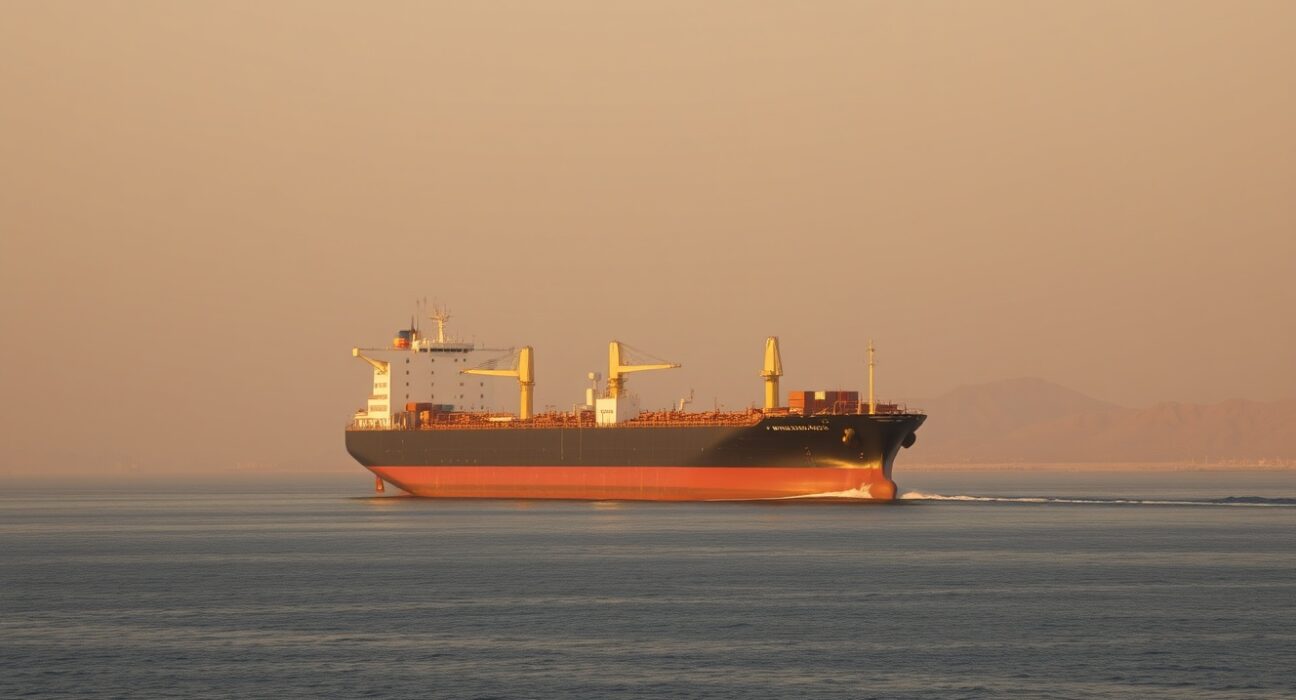
Brent crude oil prices are maintaining levels above $110 per barrel as geopolitical tensions surrounding the Strait of Hormuz continue to fuel supply concerns, according to a recent analysis from Deutsche Bank. The strategic waterway, through which approximately 20% of the world’s oil passes, remains a focal point for traders assessing the risk of disruptions.
Deutsche Bank’s Assessment of the Risk Premium
Deutsche Bank analysts noted that the current price floor is being supported by a persistent risk premium tied to the Strait of Hormuz. While no immediate blockade or major incident has occurred, the mere possibility of supply interruptions is enough to keep markets on edge. The bank’s report highlights that any escalation in regional tensions could quickly push prices higher, given the limited spare capacity among major producers.
Market Context and Broader Implications
The $110 threshold represents a psychological and technical level for traders. Prices have remained elevated despite mixed signals from global demand, particularly from China and Europe. The ongoing conflict in the Middle East, combined with sanctions on key oil-exporting nations, has created a supply environment where even minor disruptions can have outsized price impacts.
What This Means for Consumers and Economies
Sustained high oil prices have direct consequences for inflation, transportation costs, and energy security. For net-importing countries, prolonged prices above $110 could strain budgets and slow economic recovery. The energy transition narrative also gains urgency as high fossil fuel prices incentivize investment in alternatives, though short-term supply constraints remain the dominant market force.
Conclusion
Brent crude’s resilience above $110 reflects a market acutely sensitive to geopolitical risk in the Strait of Hormuz. Deutsche Bank’s analysis underscores that until diplomatic or security conditions change, the risk premium will likely persist. Traders and policymakers alike are watching for any developments that could either ease or exacerbate the current supply concerns.
FAQs
Q1: Why is the Strait of Hormuz important for oil prices?
The Strait of Hormuz is a narrow passage between the Persian Gulf and the Gulf of Oman, through which about 20% of the world’s oil is transported. Any threat to shipping there can cause supply fears and price spikes.
Q2: What did Deutsche Bank say about oil prices?
Deutsche Bank stated that Brent crude is holding above $110 due to a persistent risk premium from Strait of Hormuz tensions, with potential for further increases if disruptions occur.
Q3: How long could oil prices stay above $110?
Prices are likely to remain elevated as long as geopolitical risks persist. Any de-escalation or increase in supply from other sources could bring prices down, but the outlook remains uncertain.
Disclaimer: The information provided is not trading advice, Bitcoinworld.co.in holds no liability for any investments made based on the information provided on this page. We strongly recommend independent research and/or consultation with a qualified professional before making any investment decisions.
