

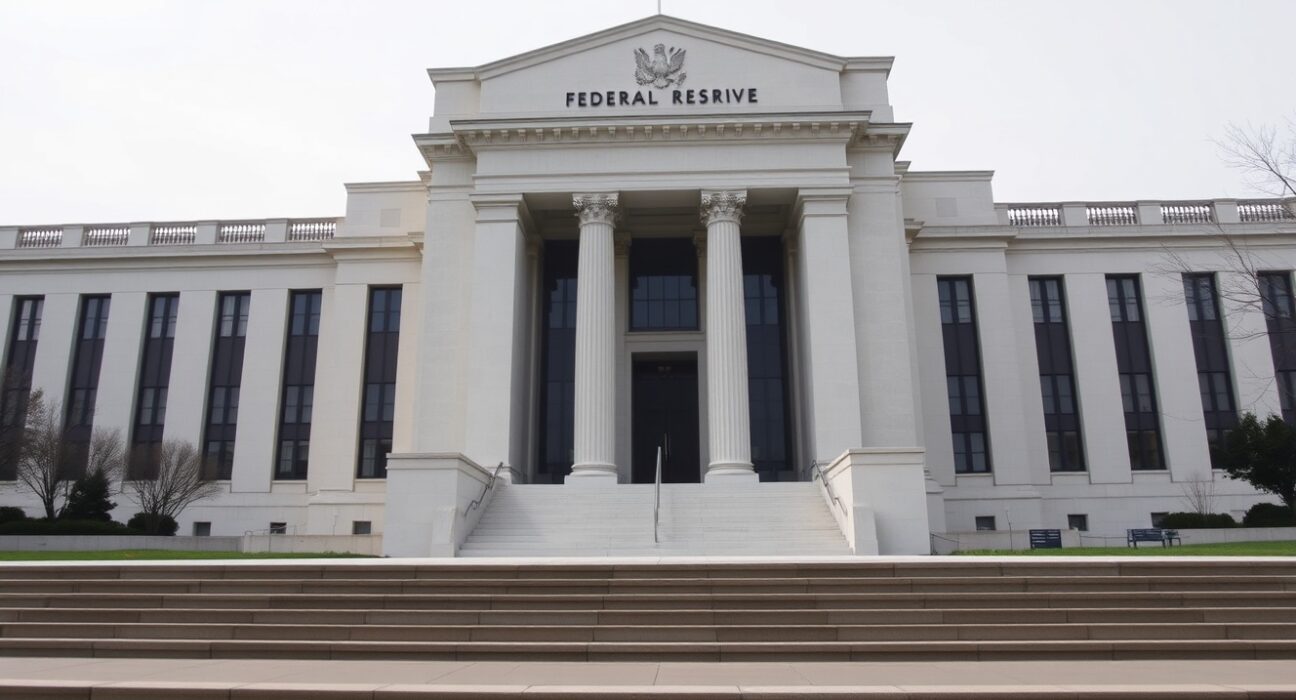
The Federal Reserve’s latest meeting minutes, released Wednesday, have injected a new layer of complexity into the outlook for interest rates, as policymakers grappled with persistent inflation pressures that are proving more stubborn than many had anticipated. The detailed record of the Federal Open Market Committee’s (FOMC) discussions indicates a growing divergence in views on the trajectory of price increases, a development that is directly influencing market expectations for the timing and magnitude of future rate cuts.
Key Takeaways from the Minutes
The minutes reveal that while most officials still expect inflation to moderate over time, a significant number noted that recent data had not provided sufficient confidence that the disinflation trend was firmly established. This cautious tone was underscored by discussions around potential upside risks, including geopolitical tensions, supply chain disruptions, and a resilient labor market that continues to fuel wage growth.
Policymakers also debated the appropriate pace of policy normalization. While the consensus remains that the next move will be a rate cut, the timing has become a subject of intense scrutiny. The minutes suggest that a majority of participants are in favor of a ‘patient’ approach, preferring to see a sustained pattern of easing price pressures before committing to any easing measures.
Market participants reacted swiftly, with futures markets repricing the probability of a rate cut at the next meeting. The odds of a reduction in the target range for the federal funds rate fell, reflecting the more hawkish undertones of the document.
Market and Economic Implications
The shifting expectations have immediate consequences for borrowing costs across the economy. Mortgage rates, which had been declining in anticipation of rate cuts, have stabilized or ticked higher in recent days. Similarly, yields on U.S. Treasury notes have moved upward, reflecting the reduced probability of near-term monetary easing.
For businesses, the uncertainty around the rate path complicates investment and hiring decisions. A higher-for-longer interest rate environment increases the cost of capital, potentially dampening corporate expansion plans. For consumers, the impact is felt in everything from credit card interest rates to auto loans.
Inflation Data Remains the Key Variable
The core Personal Consumption Expenditures (PCE) price index, the Fed’s preferred inflation gauge, remains above the 2% target. Recent monthly readings have shown only marginal improvement, reinforcing the central bank’s cautious stance. The minutes emphasized that the committee is data-dependent, and future policy decisions will hinge on the incoming economic indicators.
Analysts point out that the path to rate cuts is not linear. If inflation reaccelerates or remains sticky, the Fed could delay easing further. Conversely, a sudden weakening in the labor market or a sharp decline in consumer spending could accelerate the timeline.
Conclusion
The latest Fed minutes underscore a central bank in a holding pattern, carefully weighing the risks of acting too soon against the risks of waiting too long. For investors and the broader public, the key takeaway is that interest rate cuts are not imminent. The focus now shifts to upcoming inflation reports and employment data, which will ultimately determine the timing and pace of the next policy move.
FAQs
Q1: What are the Fed minutes?
The Fed minutes are a detailed record of the Federal Open Market Committee’s (FOMC) meetings, released three weeks after each meeting. They provide insight into the discussions, debates, and thinking behind monetary policy decisions.
Q2: How do the minutes affect interest rate expectations?
The minutes reveal the range of views among policymakers. A more cautious or ‘hawkish’ tone, as seen in the latest release, can lead markets to push back expectations for rate cuts, causing bond yields to rise and stock prices to adjust.
Q3: When is the next Fed meeting?
The next scheduled FOMC meeting is in late July 2025. The minutes from the current meeting will be released in early August. The outcome will depend heavily on economic data released between now and then.
Disclaimer: The information provided is not trading advice, Bitcoinworld.co.in holds no liability for any investments made based on the information provided on this page. We strongly recommend independent research and/or consultation with a qualified professional before making any investment decisions.
