

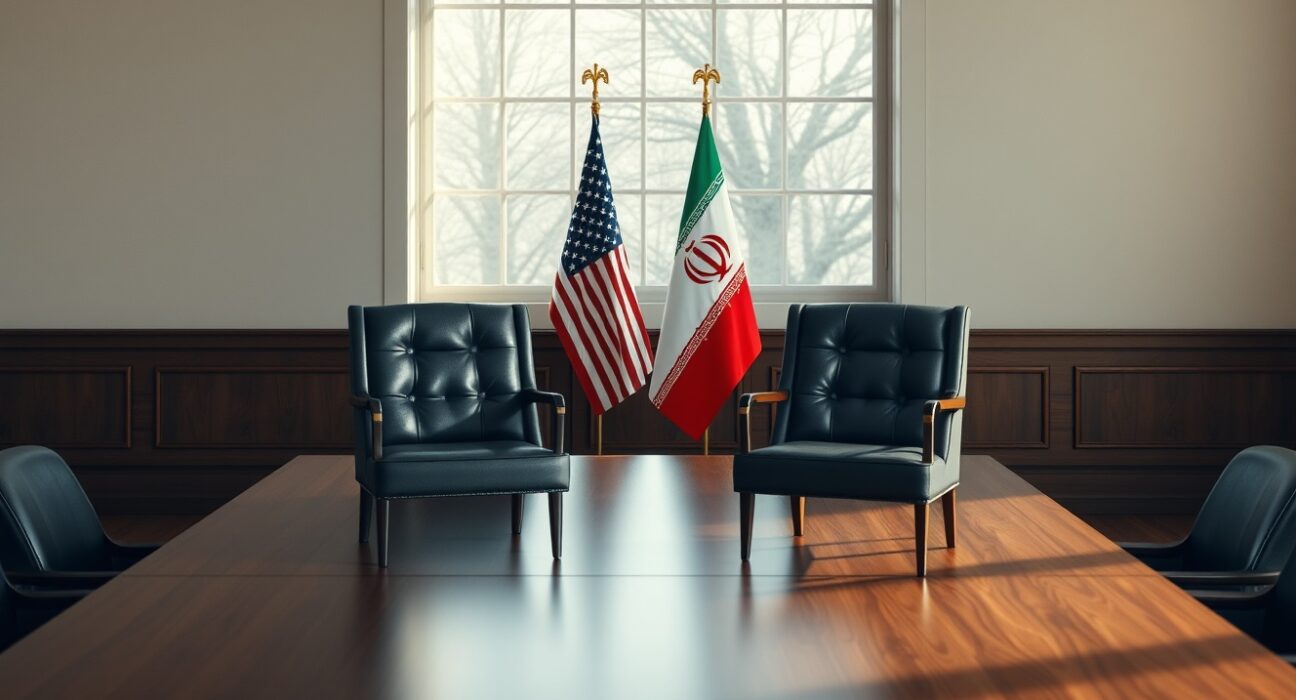
United States President Donald Trump has stated that negotiations with Iran are in their final stages, marking a significant development in a long-running diplomatic effort to address concerns over Tehran’s nuclear program and regional influence. Speaking to reporters at the White House, Trump did not provide specific details but indicated that a framework for a potential agreement is taking shape.
Context of the negotiations
The talks, which have been conducted through intermediaries and direct channels in recent months, focus on curbing Iran’s uranium enrichment activities in exchange for relief from economic sanctions. The negotiations come after years of heightened tensions, including the US withdrawal from the 2015 Joint Comprehensive Plan of Action (JCPOA) in 2018 and subsequent Iranian breaches of the deal’s limits. European and Middle Eastern mediators have been closely involved, with observers noting that both sides face domestic and international pressure to reach a resolution.
Implications for markets and stability
News of progress in the talks has already influenced global oil markets, with crude prices dipping on expectations that a deal could lead to increased Iranian exports. Analysts caution, however, that the final stages of any negotiation are often the most fragile, and that unresolved issues—such as verification mechanisms, ballistic missile programs, and regional proxies—remain significant hurdles. The potential for a breakthrough carries profound implications for Middle Eastern security, energy supply chains, and the broader geopolitical balance between Washington and its allies.
What this means for readers
For the cryptocurrency and financial sectors, a diplomatic resolution could reduce geopolitical risk premiums, potentially affecting safe-haven asset flows. Conversely, a collapse in talks could trigger renewed volatility. Readers should monitor official statements from both governments and independent verification bodies for concrete developments. The situation remains fluid, and final details have yet to be confirmed.
Conclusion
President Trump’s characterization of the Iran negotiations as being in their final stages represents a notable shift in tone and suggests that both sides may be nearing a mutually acceptable framework. While optimism exists, the complexity of the issues at stake means that the coming days and weeks will be critical in determining whether a final agreement materializes or the process stalls once again.
FAQs
Q1: What are the main sticking points in the US-Iran negotiations?
Key unresolved issues include the scope of uranium enrichment allowed, verification and inspection protocols, the future of ballistic missile development, and Iran’s support for regional proxy groups. Both sides also disagree on the sequencing of sanctions relief and compliance steps.
Q2: How could a deal affect global oil prices?
If an agreement is reached and sanctions on Iranian oil exports are lifted, additional supply could enter the market, potentially lowering crude prices. However, the exact impact depends on the speed and volume of Iran’s return to export markets, as well as broader demand conditions.
Q3: Is a final agreement likely to be signed soon?
While President Trump described negotiations as in their final stages, diplomatic sources caution that ‘final stages’ can still involve weeks or months of detailed technical work. No formal signing date has been announced, and the process remains subject to political developments in both Washington and Tehran.
Disclaimer: The information provided is not trading advice, Bitcoinworld.co.in holds no liability for any investments made based on the information provided on this page. We strongly recommend independent research and/or consultation with a qualified professional before making any investment decisions.
